
TLDR
Yes a bathroom remodel can hurt your resale value, and the most common offenders are removing the only bathtub, skipping permits, over-improving for the neighborhood, and using bold or trendy finishes buyers will want to rip out.
A wrong bathroom remodel doesn't just fail to add value it actively destroys it, by narrowing your buyer pool, triggering inspection flags, and creating visible deferred liability.
Unpermitted bathroom work can cost $1,500–$5,000 to retroactively permit, and buyers or lenders may demand it be corrected before closing.
Over-improving past neighborhood comparables means your remodel budget comes entirely out of your equity the market simply won't pay above its ceiling.
Poor waterproofing is the most expensive invisible mistake moisture damage that takes 12–36 months to appear can require $2,000–$8,000 in remediation on top of a full redo.
Can a Bathroom Remodel Hurt Resale Value?
Yes. A bathroom remodel can hurt your home's resale value and the damage is often invisible until a buyer's inspector finds it, or until your listing sits without offers. Complex tasks such as plumbing, electrical work, or tiling require expertise mistakes in these areas can be costly and actively decrease home value. The bathroom remodel mistakes that reduce value fall into two categories: design decisions that narrow your buyer pool, and execution failures that create material defects. Both show up on appraisals and inspection reports.
A well-executed mid-range bathroom remodel returns approximately 70–80% of its cost at resale. A badly executed one can return nothing or actively reduce your home's appraised value below what it was before you started.
Why Does a Wrong Bathroom Remodel Hurt More Than Other Renovations?
Bathrooms are one of the most heavily scrutinized rooms in any home sale. NAR reports that 81% of buyers consider updated bathrooms important or very important. That scrutiny cuts both ways a remodeled bathroom that shows visible quality signals raises confidence; one that shows poor workmanship, unusual design choices, or permit flags raises doubt about the entire home's maintenance history.
Buyers who find something wrong with a bathroom don't just discount the bathroom they discount the whole house. A dated bathroom with old fixtures, worn flooring, or moldy grout raises red flags and lowers perceived home value. The same logic applies to a badly remodeled bathroom: it signals shortcuts were taken everywhere.
Before spending a dollar, understanding what bathroom features buyers actually look for in 2026 is the most effective way to avoid making choices that look good to you but alienate the market.
What Are the 7 Bathroom Remodel Mistakes That Hurt Resale Value?
1. Removing the Only Bathtub
This is the single most common bathroom renovation mistake that destroys buyer pool size. In the pursuit of a spa-like bathroom, many homeowners rip out the only tub to install a walk-in shower. While walk-in showers are a popular trend, removing the only bathtub in the house is a critical functional error that limits usability for a significant portion of buyers.
When you remove the only bathtub, you reduce the number of buyers who consider your home suitable and fewer competing offers means a weaker negotiating position at closing. Families with young children specifically require at least one tub. Real estate agents consistently advise: you can remove a tub in the primary bath only if at least one other bathroom in the home retains a tub.
The fix: In a single-bathroom home, keep the tub-shower combo. In a multi-bathroom home, convert the primary to walk-in shower only if a full tub remains elsewhere. If you're unsure which layout serves your local market, consult a contractor before demolition reversing this decision after the fact costs far more than getting it right the first time.
2. Skipping Permits for Plumbing, Electrical, or Structural Work
Unpermitted bathroom work is one of the most damaging bathroom remodel mistakes for resale not because buyers see it during the showing, but because it surfaces during inspection or title search. The lack of permits can complicate future property transactions, as buyers may be hesitant to purchase a home with unpermitted work. Insurance claims related to any issues arising from unpermitted work may also be denied, leaving homeowners responsible for damages or liabilities.
Retroactively permitting and potentially reworking unpermitted bathroom work costs $1,500–$5,000+. In many cases, lenders will not fund a purchase on a home with flagged unpermitted work the buyer walks, or demands a dollar-for-dollar price reduction.
Hiring a licensed bathroom contractor means permits are pulled as standard practice it's one of the clearest separators between a professional job and an amateur one. If you've already completed unpermitted work, consult your local building department about a retroactive inspection before listing.
The fix: Pull permits for any work involving plumbing, electrical, or structural changes without exception.
3. Over-Improving for the Neighborhood
A bathroom that costs $40,000 to remodel in a neighborhood where comparable homes sell for $250,000 will not return that investment. The most luxurious bathroom in a modest area rarely pays back its cost. Over-improving beyond neighborhood norms is unrecoverable every dollar spent above the market ceiling is equity you're gifting to the next buyer.
One real estate expert put it plainly: "Making a bathroom too luxurious, especially in a property on the lower price range where the renovated bathroom does not match the overall home style, is a renovation that reduces a home's value."
The 5–10% rule applies here: your bathroom remodel budget should not exceed 5–10% of your home's total current market value. A $500,000 home can absorb a $40,000 primary bathroom renovation. A $200,000 home cannot. Before committing to a high-end remodel, ask a local real estate agent to pull recent comps. This one 15-minute conversation can save you from spending $20,000 you'll never see back.
4. Bold, Trendy, or Over-Personalized Finishes
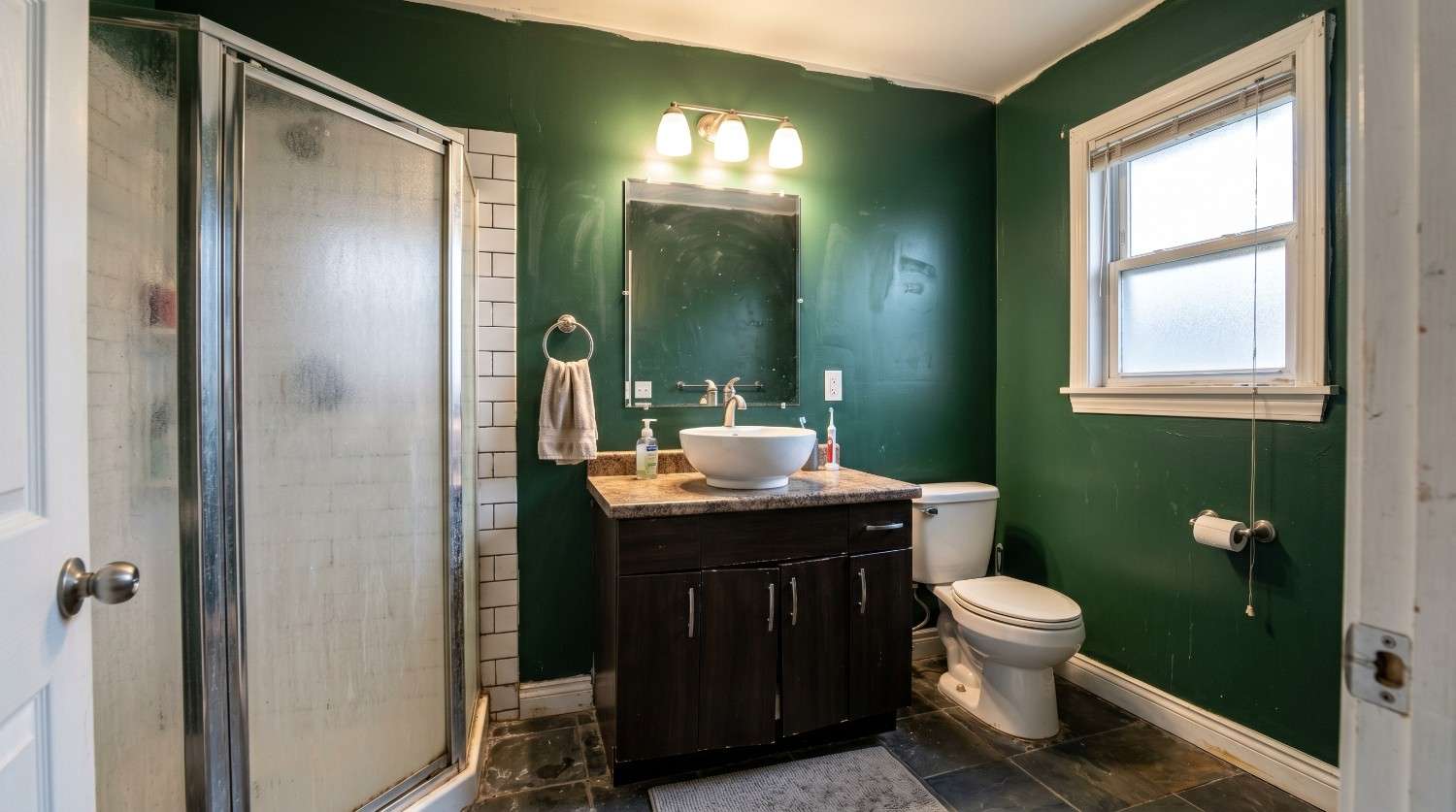
Bold tile, statement wallpaper, and trendy color schemes are the most common aesthetic bathroom remodel mistakes that hurt resale value not because they look bad today, but because buyers mentally subtract the replacement cost from their offer.
As one contractor told Yahoo Finance: "For bathrooms, the biggest thing we've seen is painting it funky colors you might think it would only lower the value a little to cover the cost of painting, but it often makes the house much harder to sell because people don't like the way it makes them feel when they're looking at the home."
Heavily stylized tiles and fixtures date a bathroom quickly. Potential buyers view highly specific trends as projects they'll need to rip out immediately and that number comes straight off your offer price.
Neutral palettes protect resale value. Warm whites, soft grays, and natural stone tones stay relevant across market cycles. NKBA data shows off-white (58%), light brown and tan (54%), and white (40%) as the dominant buyer-preferred bathroom colors in 2026. Save bold personalization for accessories that can be removed before listing paint, towels, art not tile or vanities.
5. Poor Waterproofing or DIY Tile Installation
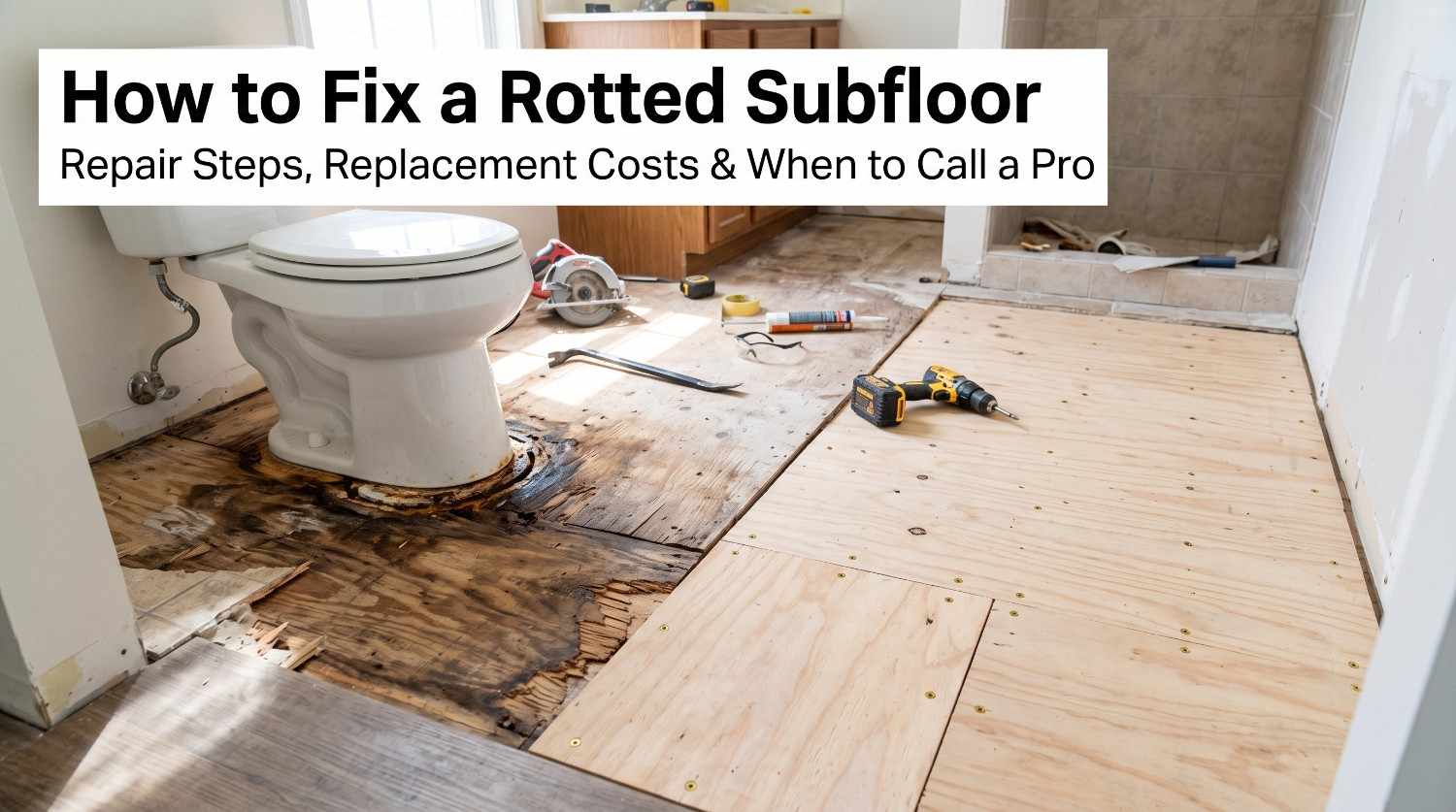
This is the most expensive invisible bathroom renovation mistake and the one most likely to destroy equity without any visible warning at the time of sale. When waterproofing is done incorrectly or skipped entirely, water migrates behind tile and into the wall cavity. The damage often goes undetected for 12–36 months. By the time you notice discoloration, soft drywall, or a persistent musty odor, the subfloor and structural framing may already be compromised and moisture remediation plus subfloor replacement typically runs $2,000–$8,000 on top of a full redo of the original installation.
A DIY bathroom remodel that skips proper waterproofing membranes (RedGard, Schluter Kerdi) turns a $5,000 project into a $13,000+ correction. Buyers' inspectors use moisture meters they will find it.
If you've discovered this situation in a bathroom you're selling, mold and moisture remediation specialists can assess the scope before you list. Disclosing known issues and correcting them before listing is always a better strategy than hoping an inspector misses them.
6. Mismatched or Low-Quality Fixtures
Cutting corners on materials, cheap fixtures or low-quality tile wears out quickly, erasing the benefit of the remodel. Small details like waterproofing, ventilation, and tile alignment all affect how buyers perceive quality and how much they're willing to pay.
Mixed metal finishes, chrome faucets paired with oil-rubbed bronze towel bars and brushed nickel light fixtures signal a homeowner-assembled project. Mixing incompatible finishes creates a disjointed visual effect that reads as amateur workmanship, even in an otherwise clean bathroom. Consistency in hardware details signals a professionally designed space.
Rule: Choose one finish family and carry it across every fixture. Brushed nickel and champagne bronze are the safest broad-appeal choices in 2026. Matte black is declining in buyer preference and avoids leading with it on permanent fixtures you won't replace before selling.
7. Ignoring Ventilation
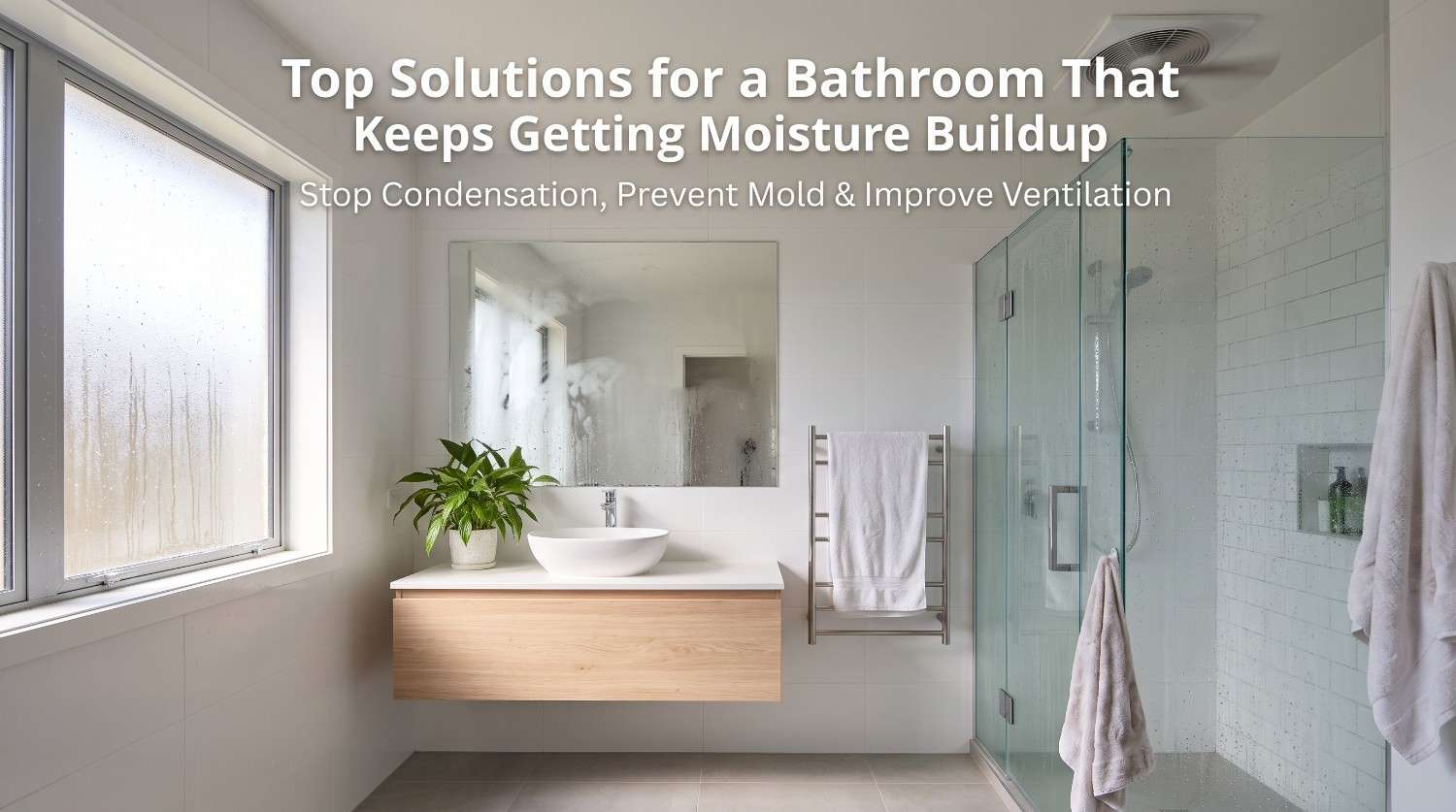
Bathroom renovation inspectors flag this consistently, yet no competitor article covers it. A bathroom without a properly sized exhaust fan creates the conditions for mold, peeling paint, and subfloor rot over time. These are structural issues they appear on inspection reports and give buyers direct leverage to negotiate price reductions.
A missing or undersized exhaust fan on a remodeled bathroom tells inspectors the whole project was completed without attention to code. The IRC requires exhaust fans in any bathroom without an openable window this is a code requirement, not a preference. Fan sizing is calculated by room volume: 1 CFM per square foot for rooms up to 100 square feet; larger bathrooms require humidity-sensing or larger-capacity units.
The correction cost is $300–$800 installed, the cheapest fix on this list, and one of the most commonly skipped.
What Does "Done Wrong" Actually Cost You at Resale?
How Do You Remodel to Protect Not Hurt Resale Value?
The safe approach to a bathroom remodel that increases home value has four rules:
Match the neighborhood standard, not your taste. Research what comparable sold homes have in their bathrooms. Match that doesn't exceed it unless you plan to stay 5+ years.
Use licensed contractors for plumbing, electrical, and tile. Professional installation with quality materials maximizes returns, poor workmanship or DIY mistakes can actually reduce value.
Pull every required permit. No exception for any work touching pipes, wires, or structural elements. Your contractor should handle the permit process as standard scope.
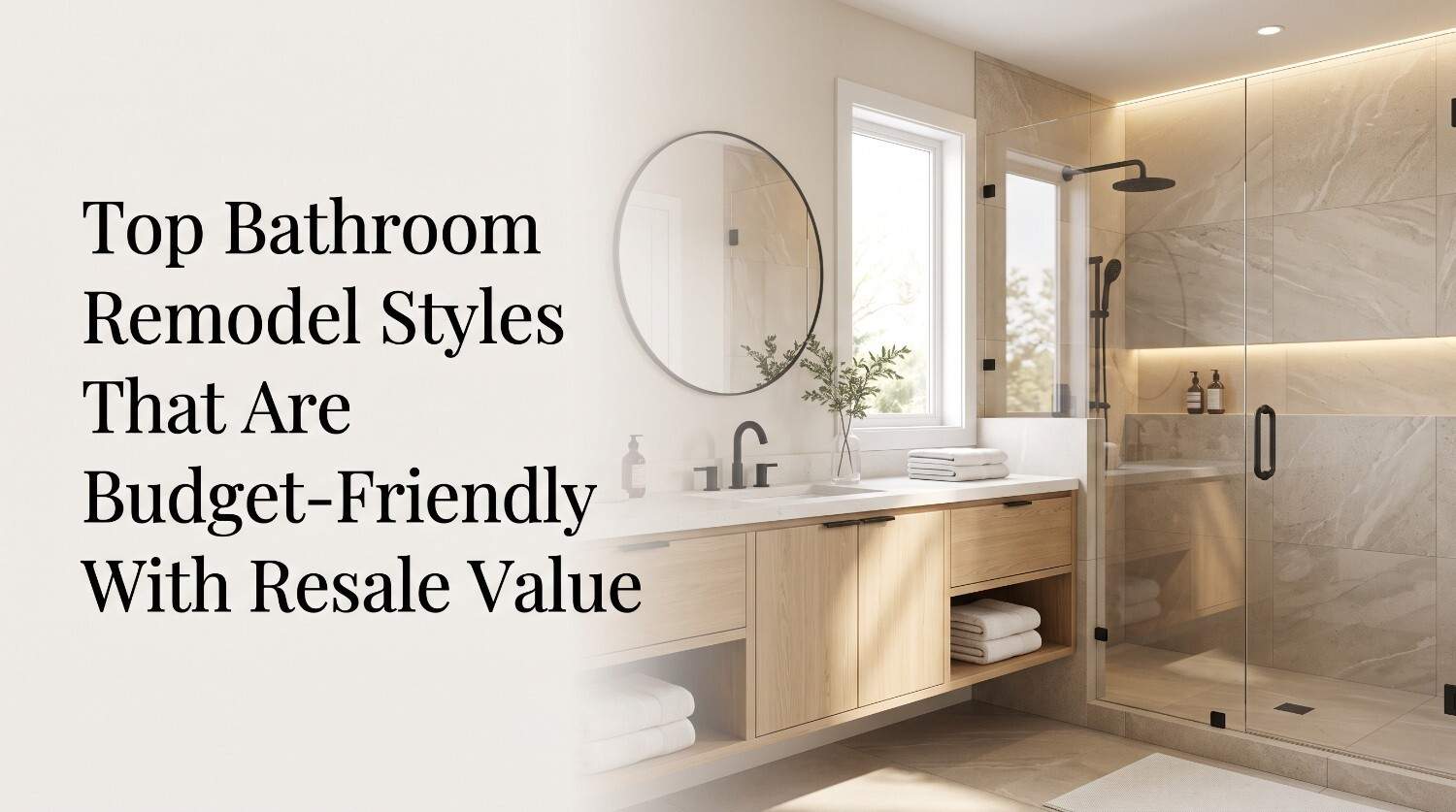
Choose timeless finishes. Neutral tile, consistent metal finish, frameless glass, white or warm-toned vanity. Nothing you'll need to apologize for at a showing.
Finding a contractor who knows which bathroom upgrades recover their cost in your specific local market is the most valuable pre-remodel investment you can make. Nationwide Builders matches homeowners with pre-vetted, licensed bathroom contractors who specialize in value-driven renovations, so every decision is made with your resale outcome in mind before a single tile is cut.
Frequently Asked Questions
Does removing a bathtub always hurt resale value?
Removing a bathtub hurts resale value specifically when it eliminates the only tub in the home. Realtors agree you can remove a bathtub as long as one remains in a second bathroom. In a home with two or more bathrooms, converting the primary to a walk-in shower while keeping a tub in the secondary bath is a widely accepted and buyer-friendly decision. In a single-bathroom home, removing the only tub meaningfully narrows your buyer pool to families with young children and many first-time buyers specifically filter for homes with at least one tub. The financial impact is not a fixed dollar amount but a reduction in competing offers, which weakens your negotiating position at closing.
How much does unpermitted bathroom work reduce home value?
Unpermitted bathroom work doesn't reduce appraised value directly but it creates a transaction liability that buyers leverage into price reductions. In practice, buyers who discover unpermitted work during inspection typically demand either: (a) the seller retroactively permits and corrects all non-compliant work before closing, or (b) a price reduction equal to the estimated correction cost. Retroactive permitting and potential rework costs $1,500–$5,000 for most bathroom projects. In some cases, lenders will not fund the purchase at all until the issue is resolved, which can kill the transaction entirely. Failing to obtain the right permits can also result in legal troubles and fines if local building codes and regulations are violated during the renovation.
What bathroom finishes hurt resale value the most?
Bold and highly personalized finishes are the bathroom renovation choices most likely to hurt resale value. This includes: strongly colored paint or wallpaper, patterned or trendy statement tile used as a primary surface, mismatched fixture metals, and any finish that requires buyers to budget for immediate replacement. Neutral hard finishes provide a timeless canvas that allows for easy updates with accessories and paint classic materials like white subway tile or natural stone retain their appeal for decades. The safest resale strategy: bold choices only in paint or removable accessories; permanent surfaces like tile and vanities should be neutral and timeless.
Can a DIY bathroom remodel hurt home value even if it looks good?
Yes a DIY bathroom remodel can hurt resale value even when it appears visually successful. Code violations diminish resale value when you sell, as buyers and their inspectors will identify unpermitted work. One improperly installed shower pan means removing all tile, the pan itself, and sometimes the subfloor, then starting over. Buyers' inspectors use moisture meters, check for GFCI outlets, verify ventilation, and pull permit records. A bathroom that looks clean but has no permits, incorrect GFCI placement, or inadequate waterproofing will flag at inspection regardless of surface appearance. The cost of a professional bathroom remodel is often less than the combined cost of a DIY project that needs professional correction plus the price reduction buyers demand at inspection.
How do you know if your bathroom remodel over-improved for the neighborhood?
Compare your post-remodel bathroom to the bathrooms in recently sold homes within a half-mile that sold in the last 6 months. If your bathroom now significantly exceeds what comparable sold homes offer, you have over-improved. Your renovation should match what's typical in your area, over-improving beyond neighborhood norms rarely recovers costs. A real estate agent who has listed homes in your specific neighborhood can benchmark your remodel against recent comps in 15 minutes. For a quick self-assessment, apply the 5–10% rule: your bathroom remodel budget should not exceed 5–10% of your home's total current market value.