
TLDR
Walk-in showers now outrank bathtubs : 55% of industry experts say larger shower space is more important than a tub in the primary bathroom, per the NKBA 2026 Bath Trends Report.
The primary bathroom is buyers' #1 space priority : 89% of designers report it tops the list; 65% of buyers say they're willing to pay more for a primary bathroom upgrade.
A mid-range bathroom remodel returns 80% of its cost at resale : the highest ROI of any interior renovation category.
Lighting is now ranked a top priority by 91% of designers : more than any single fixture or finish.
Aging-in-place features have gone mainstream : 80% of designers say grab bars, curbless showers, and barrier-free entries are either mainstream now or becoming so within 3 years.
What Bathroom Features Do Buyers Prioritize Most in 2026?
In 2026, the bathroom features buyers value most are a spacious walk-in shower, double vanity, layered lighting, and organized storage in that order. According to the NKBA 2026 Bath Trends Report, based on a survey of nearly 700 designers, remodelers, and manufacturers, more than half of respondents say a larger shower is more important than having a bathtub, and 89% identify space allocation in the primary bath as a top priority. Buyers in 2026 are not looking for the most luxurious bathroom, they are looking for one that feels functional, spa-like, and low-maintenance.
Why Are Bathroom Features So Critical to the 2026 Buyer?
The primary bathroom has overtaken the kitchen as the room buyers scrutinize most closely in new listings. According to NAHB's "What Home Buyers Really Want" research, 65% of buyers are willing to pay more for a primary bathroom upgrade than for any other single room upgrade. Bathrooms also deliver the strongest ROI of any interior renovation. According to the Journal of Light Construction's 2026 Cost vs. Value Report, a mid-range bath remodel costs an average of $26,138 and yields $20,915 at resale, an 80% return on investment.
Bathroom remodeling was the most common remodeling project in 2025, with 73% of remodelers rating it common to very common. The demand is not slowing: NAHB projects remodeling activity will grow 3% in 2026 and another 2% in 2027.
What Are the 5 Bathroom Features Buyers Want Most?
1. A Walk-In Shower : Preferably Frameless
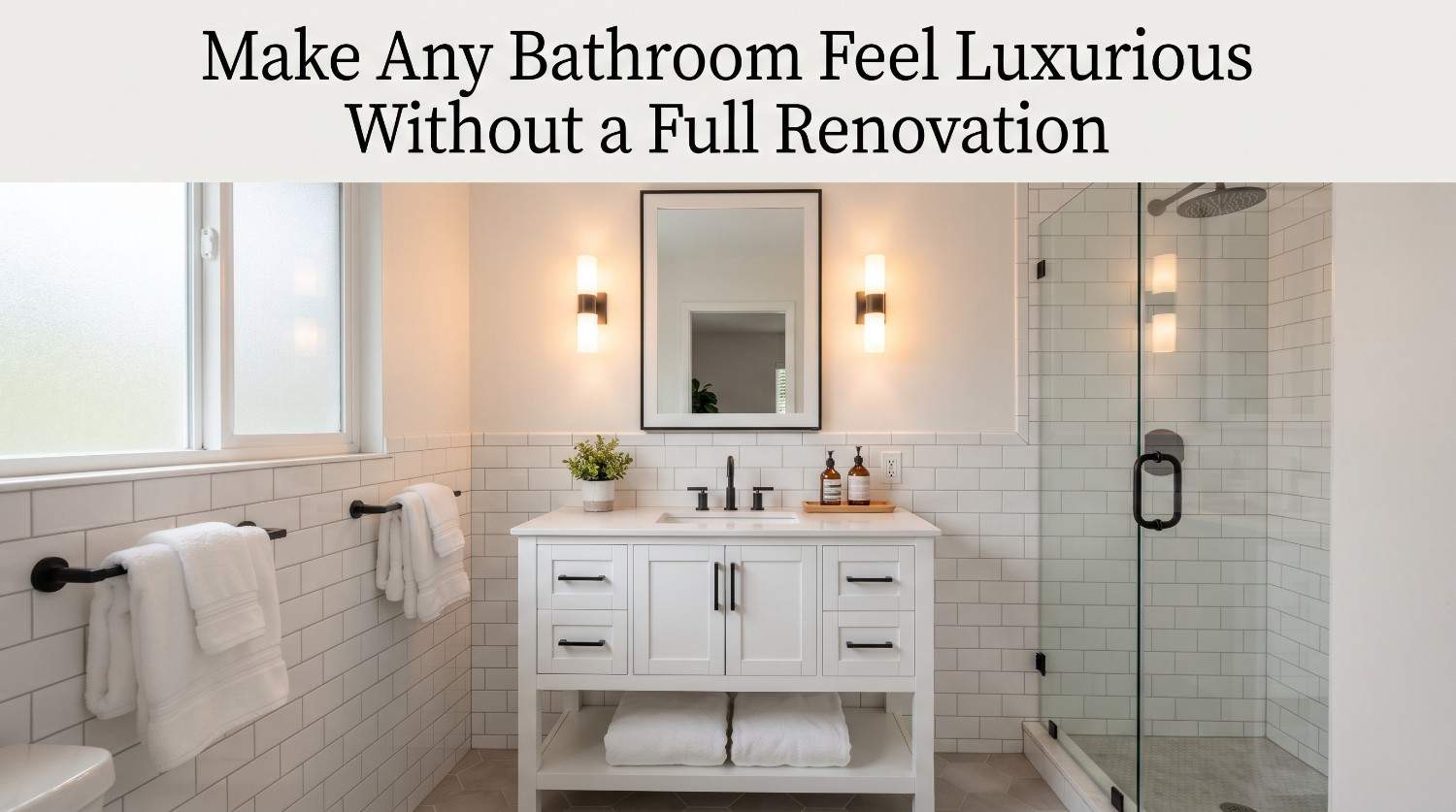
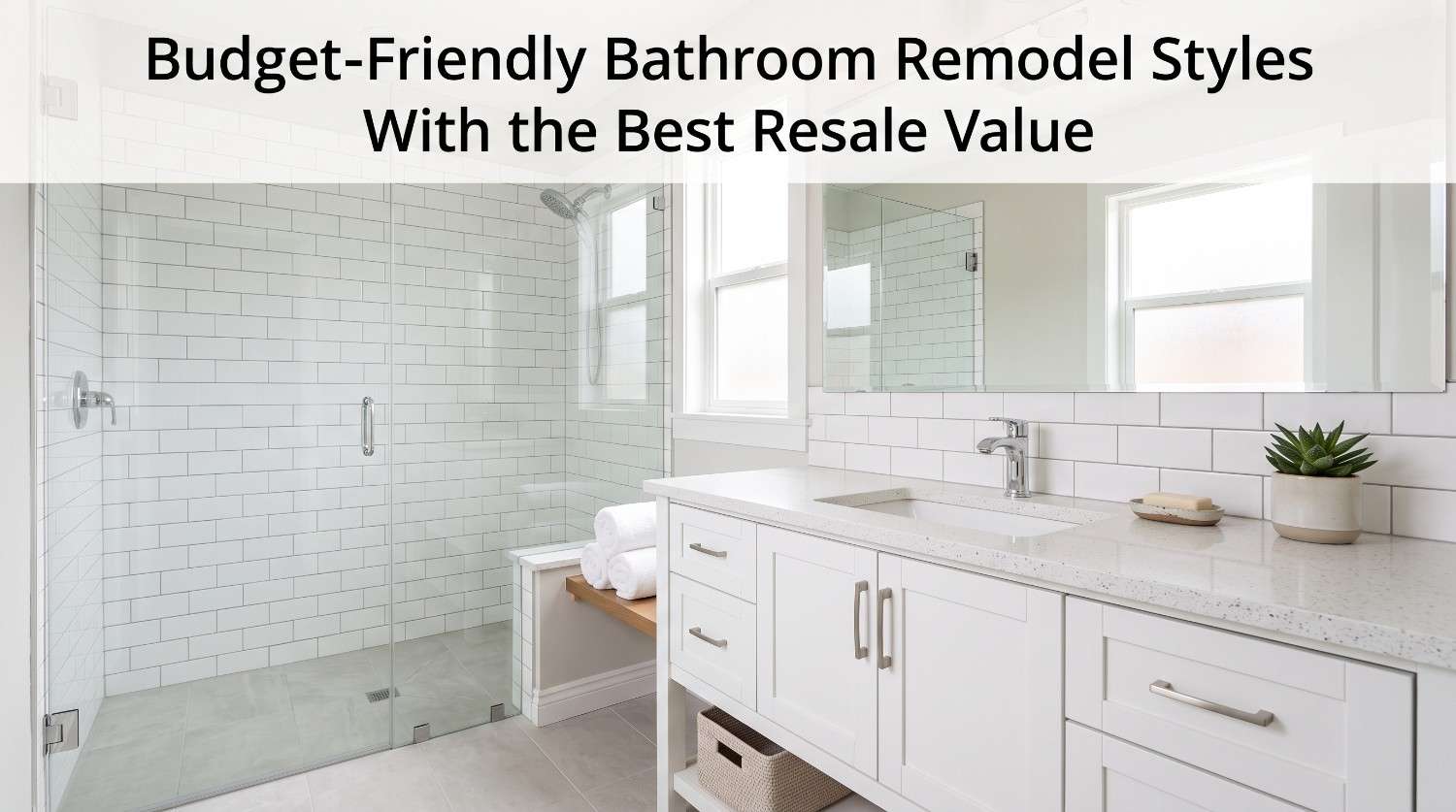
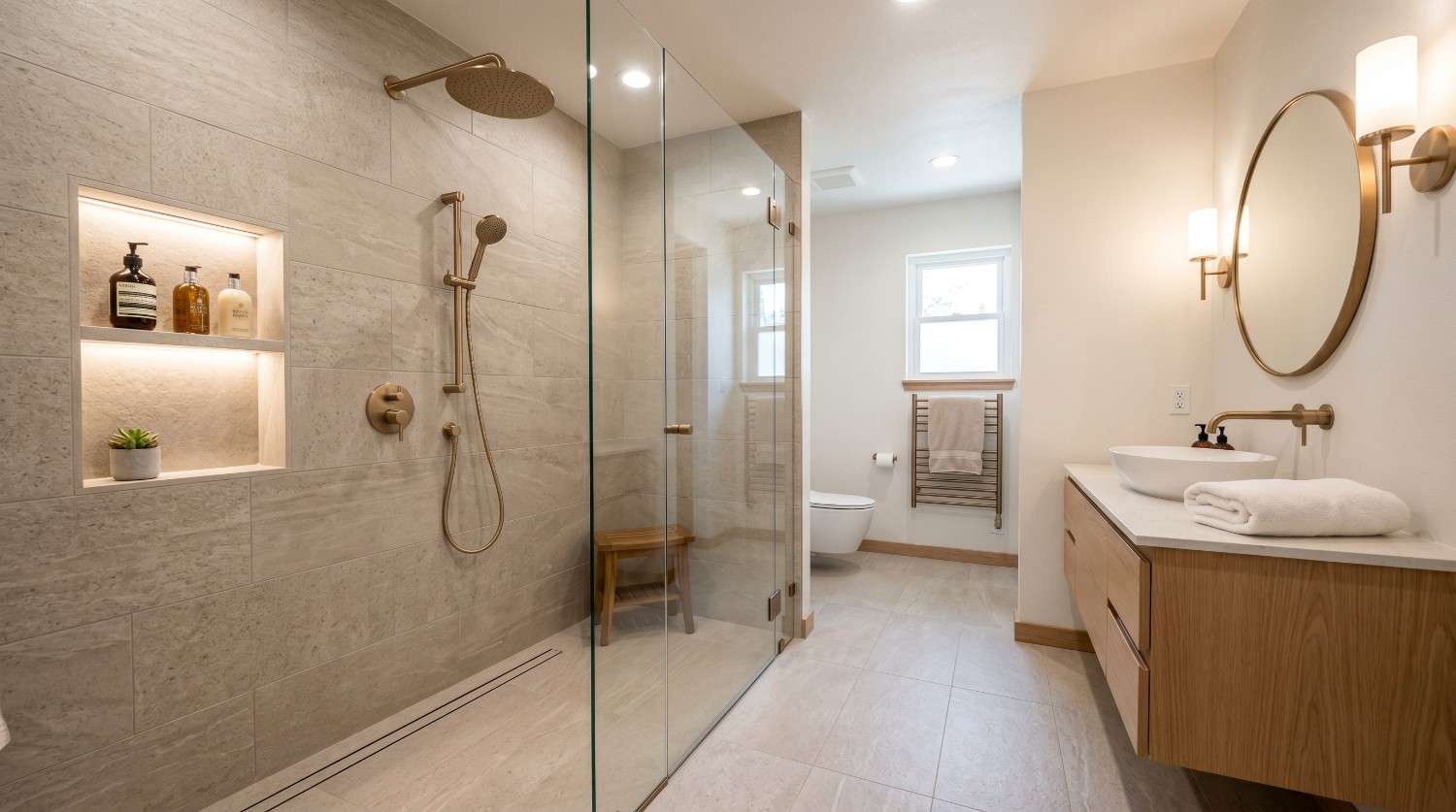
The walk-in shower is the single most requested bathroom upgrade in 2026. Of NKBA designers surveyed, 78% forecast walk-in as the preferred shower door style, and 74% believe frameless shower glass will be the preferred style going forward. Buyers want curbless entry, rainfall showerhead, built-in niche shelving, and a tile surround not a prefabricated kit.
What buyers don't want: a tub-shower combo. Walk-in showers add more value because they improve accessibility, modernize the space, and meet current buyer preferences especially when designed with glass enclosures, tile surrounds, and built-in storage niches. A walk-in shower upgrade typically adds 5–10% to resale value.
2. A Double Vanity With Storage
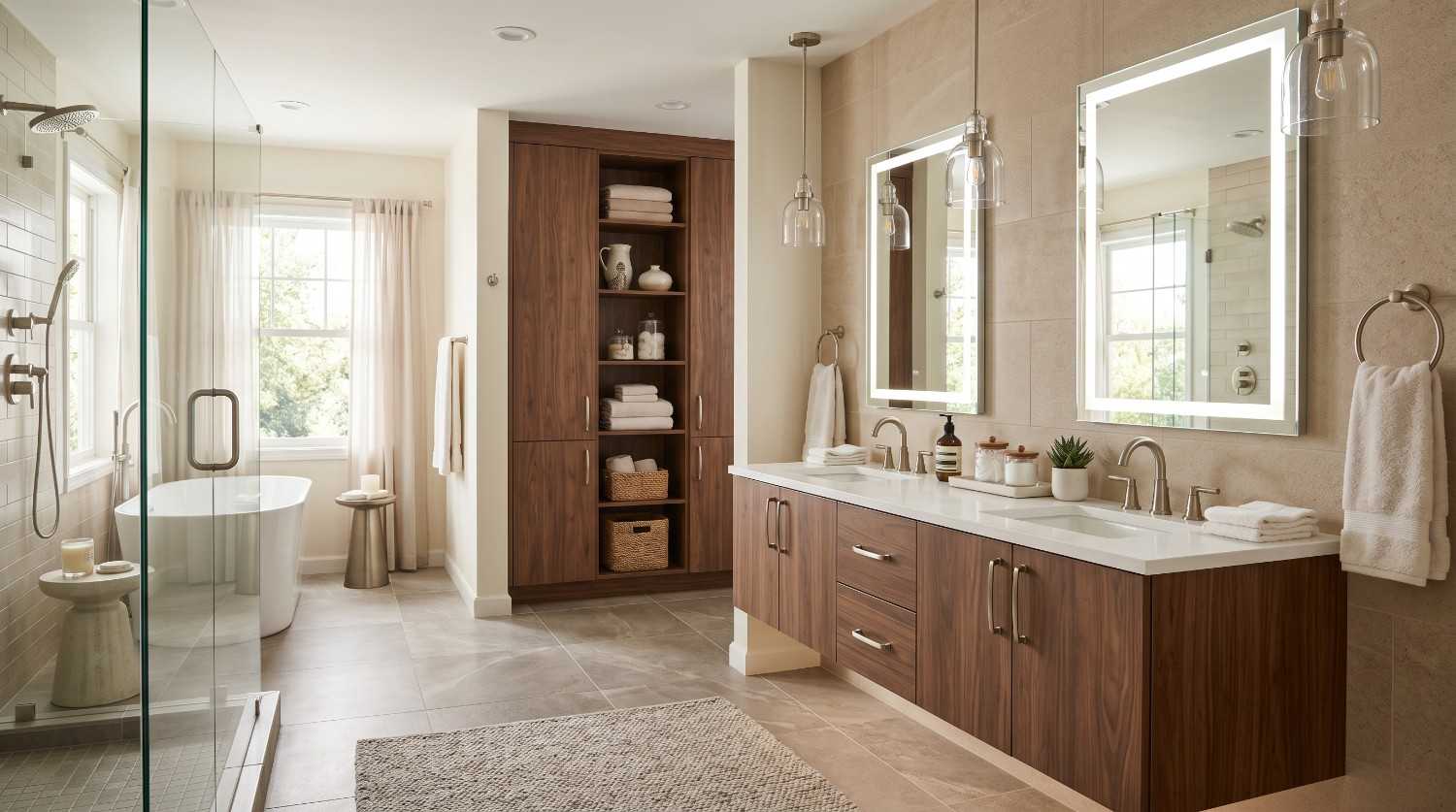
Buyers in shared primary bathrooms consistently prioritize double vanities over any other vanity configuration. Features that add the most value include soft-close hardware, quality solid wood or plywood construction, integrated LED lighting, USB charging ports, and durable countertop materials like quartz.
Floating vanities are the fastest-growing vanity style in 2026, with 15–20% year-over-year growth, driven by their ability to make bathrooms feel larger and more modern. Storage additions, linen closets, medicine cabinets, built-in shelving add at least 2% to resale value with over 100% return on the investment spent.
3. Layered Lighting
Effective lighting involves layering at multiple levels, with 92% agreeing that task lighting must always be included in primary bath design. Emerging buyer requests include mood lighting inside the shower, integrated mirror lighting, and nighttime-specific ambient strips. Buyers can't articulate why a bathroom feels dated, but poor lighting is almost always the reason.
4. Finishes That Don't Show Their Age
Neutral colors dominate buyer preferences, with off-white favored by 58% of designers, light brown and tan at 54%, and white at 40%. Transitional or timeless design is the top style choice for the next three years, identified by 70% of respondents. Warm metals brushed brass, champagne bronze, brushed nickel are replacing matte black as the finish of choice. Textured and patterned tile is gaining traction: 66% of NKBA respondents note growing interest in textured and patterned tiles.
5. Aging-in-Place Features Now a Mainstream Expectation
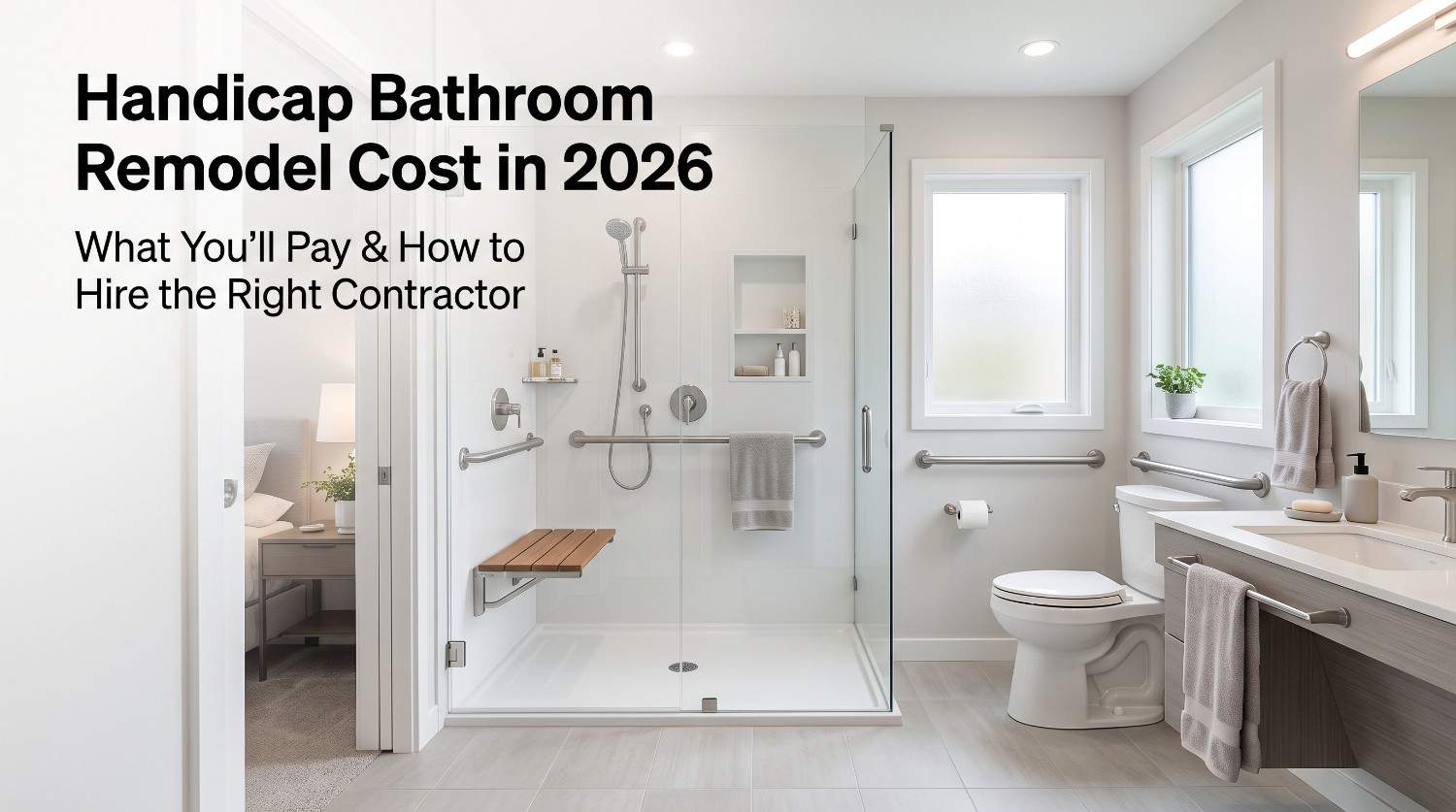
Aging-in-place design elements have become so mainstream that in addition to function, these universal design fixtures now prioritize beauty. Grab bars, curbless showers, shower benches, barrier-free shower entries, and wider doors are subtle, crucial safety features that make a primary bath look more luxurious and elevated.
Of those surveyed, 32% agree that aging-in-place features are already a mainstream trend, while 48% think the trend will likely be mainstream in the future. These features are not niche they appeal across all buyer demographics because they read as accessible, premium, and spa-like simultaneously.
What Are Buyers Looking for in Smart Bathroom Tech?
Tech is entering the bathroom but buyers want it seamless, not showy. Smart fixtures, advanced lighting, and wellness-focused systems are expanding rapidly, especially among younger homeowners. Three technology areas are generating the most momentum: tech-based design inspiration via AI tools, smart fixtures and systems including intelligent showers and lighting, and wellness technology.
51% of NKBA respondents agree smart toilets will rise in popularity over the next three years. For sellers, smart mirrors and heated floors are safer upgrade bets than smart toilets; they are visible, immediately understood by buyers, and broadly appealing. Smart technology earns attention at showings; it rarely drives offers on its own.
What Should You Upgrade and What Should You Skip?
High-ROI upgrades for 2026 buyers
What to skip:
Jet tubs and steam shower systems look impressive but carry high maintenance risk buyers factor in future repair costs. Highly personalized tile patterns and bold color choices narrow your buyer pool. Over-customized smart systems (voice-activated everything) can feel gimmicky to non-tech buyers. Jet tubs and steam showers can be difficult to maintain and frequently break down buyers often don't expect significant ROI from these upgrades.
Finding a contractor who knows which 2026 bathroom upgrades actually move buyers in your local market and which ones waste budget is the hardest part of this process. Nationwide Builders connects homeowners with pre-vetted contractors who specialize in value-driven bathroom renovations, so the upgrade decisions are grounded in what buyers in your area are actually paying premiums for.
Frequently Asked Questions
Do homebuyers in 2026 still want a bathtub?
Buyers in 2026 generally want at least one bathtub somewhere in the home but not necessarily in the primary bathroom. More than half of industry professionals say a larger shower is more important than a bathtub in the primary bath, supporting amenities like steam options, aromatherapy, and integrated seating. For homes with only one bathroom, retaining a tub-shower combo preserves broad buyer appeal families with young children specifically require it. In primary bathrooms of multi-bathroom homes, replacing the tub with a walk-in shower is the stronger resale decision in 2026. However, if your only bathroom has no tub, expect buyers to factor in the cost of adding one.
Is a double vanity worth the cost before selling a home?
Yes, in primary and main bathrooms, a double vanity is one of the highest-impact upgrades for buyer perception. Double-sink vanities in shared bathrooms and floating vanities in smaller spaces are especially attractive to buyers; solid wood cabinets, quartz countertops, and soft-close hardware signal quality and durability. The upgrade cost typically ranges from $1,500–$4,000 installed, and it directly addresses one of the most common buyer objections in shared primary bathrooms. However, a double vanity in a small bathroom that physically doesn't fit the space is a red flag to buyers proportionality matters more than the feature itself.
What bathroom color palette appeals to the most buyers in 2026?
Light neutrals are the safest and most effective palette for resale in 2026. Off-white is favored by 58% of designers, light brown and tan by 54%, and white by 40%. Earthy, brown-based greens especially sage and olive are the top accent color trend. Avoid cool grays, which dominated the previous decade and now read as dated, and bold statement tiles, which narrow your buyer pool. Warm, earth-toned neutrals pair with any fixture finish, photograph well in listings, and age better than trend-specific choices, all factors that reduce days on market.
Do smart bathroom features increase home value?
Smart bathroom features increase perceived value but their direct impact on sale price is not yet quantifiable with hard data. Smart features are expanding rapidly, especially among younger homeowners, but the expectation is that technology must feel seamless, not showy. Heated floors, smart mirrors with integrated lighting, and programmable shower systems appeal to buyers across demographics. Smart toilets are rising in visibility but remain polarizing. Some buyers see them as a premium, others as a maintenance risk. The safest approach: invest in smart lighting and heated floors, which are broadly understood, low-maintenance, and visually impressive at showings.
How much does a bathroom remodel need to cost to attract buyers?
Buyers don't respond to cost, they respond to quality and condition. A $12,000 bathroom remodel that addresses layout, lighting, and finishes consistently outperforms a $30,000 remodel that added a luxury tub nobody wanted. Contractors consistently see that buyers prioritize bathrooms that feel clean, spacious, and easy to maintain, not bathrooms with the most expensive features. The NAHB recommends spending no more than 5–10% of your home's total value on a single bathroom remodel to optimize ROI. Focus that budget on the walk-in shower, vanity, and lighting not on brand names or exotic materials.