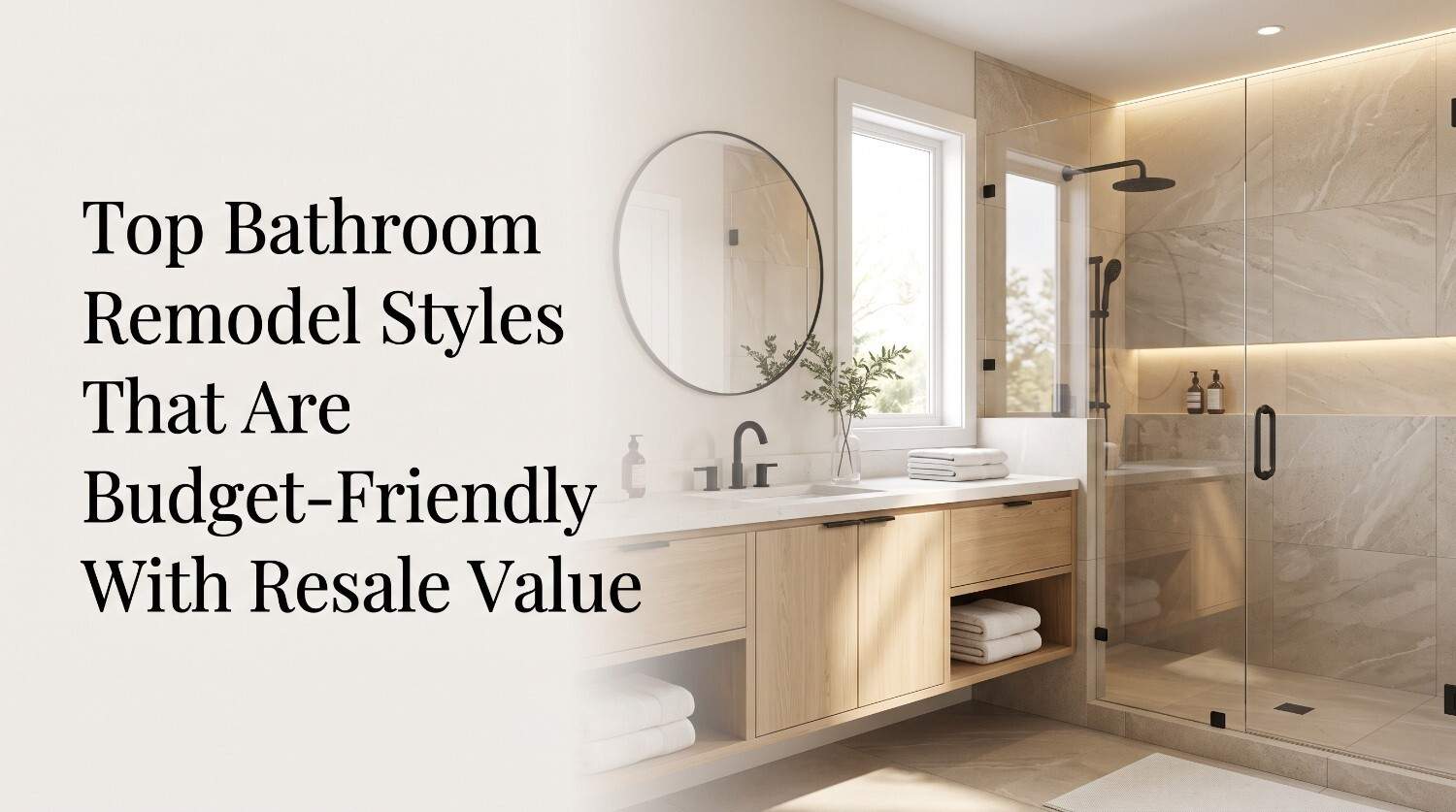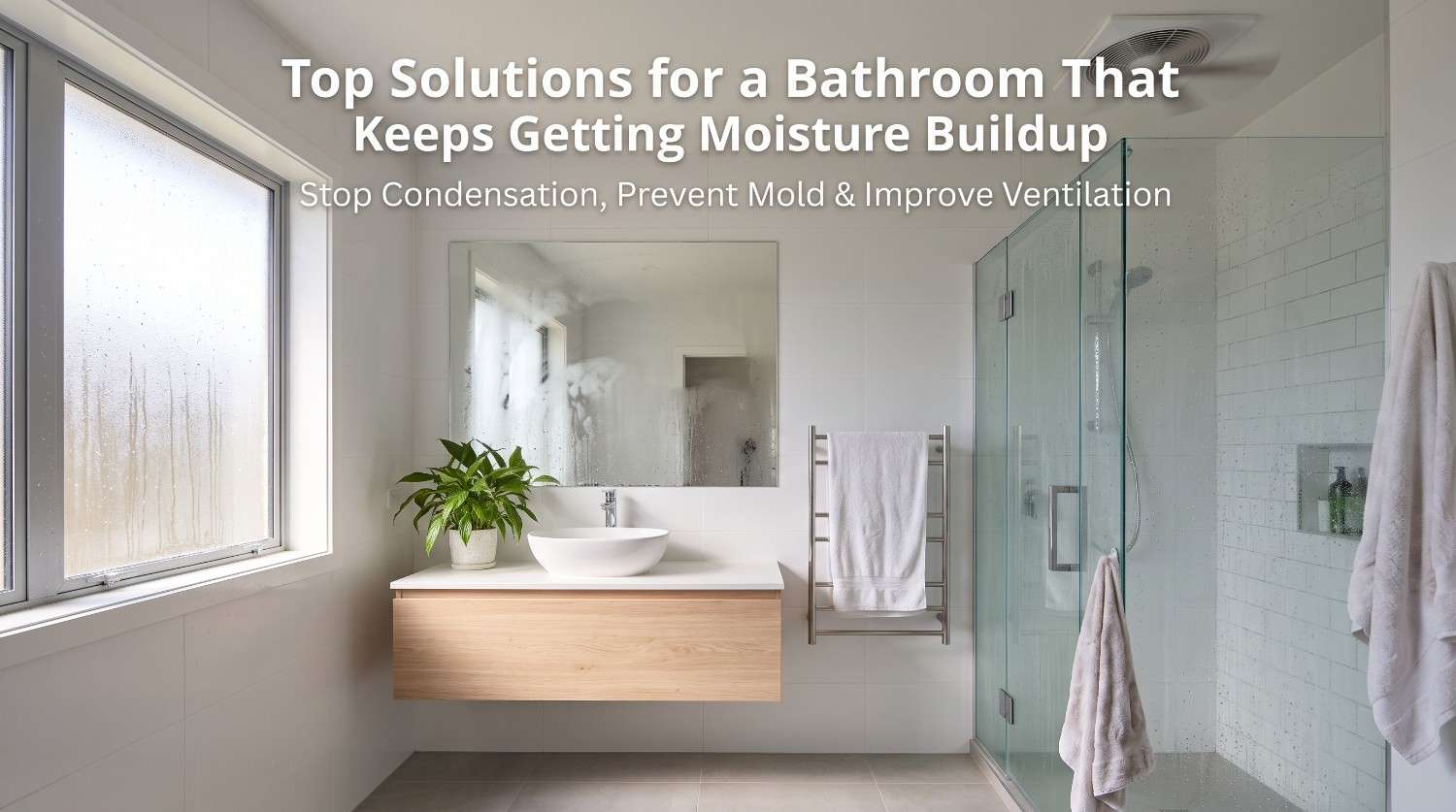

A midrange bathroom remodel returns 80% of its cost at resale in 2026. On an average project costing $26,138, that's $20,915 back in home value. Whether that's a good deal depends on what you spend it on, what your market rewards, and a question most homeowners don't think to ask: what is it costing you to not remodel?
A dated bathroom doesn't hold neutral in a listing. Worn grout, a cramped vanity, old light fixtures each one chips away at buyer confidence before an offer gets written. That drag is real, and it starts at the first showing.
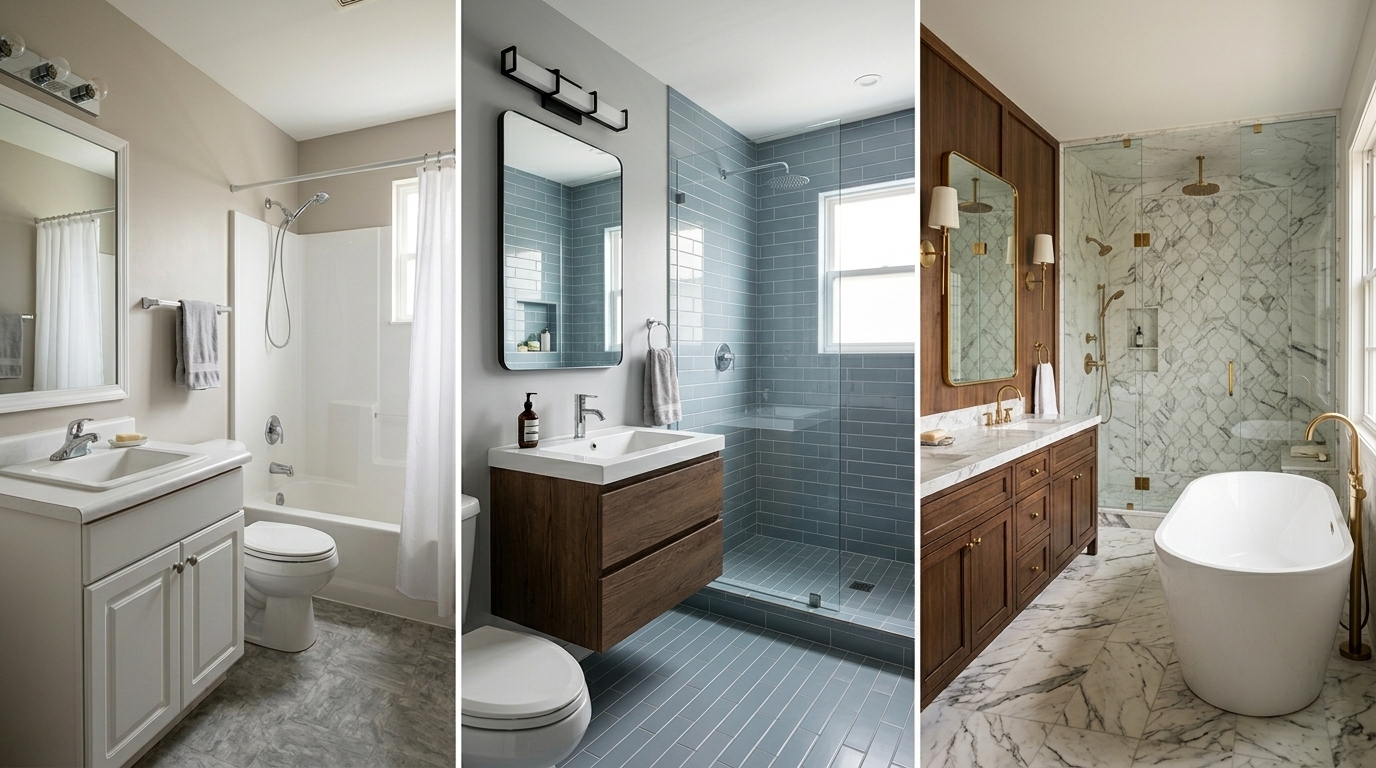
1. The ROI Numbers: Three Remodel Levels, Three Different Returns
The 2026 Cost vs. Value Report from the Journal of Light Construction (JLC) tracks four bathroom scenarios nationally.
The midrange remodel delivers the strongest return of any type. The upscale remodel adds the most absolute dollars $34,000 but absorbs $47,000 doing it. Which of those facts matters depends on how long you're staying and what the neighbourhood will actually pay.
One figure worth sitting with: 29% of sellers improve their bathroom before listing, making it the second-most common pre-sale project after interior painting. That's what your bathroom is competing against.
2. Why Cheaper Remodels Return a Higher Percentage
A $3,000 cosmetic refresh can return 80–85% of its cost. A $75,000 luxury renovation might return 42%. The cheap job wins on percentage. The expensive job adds more absolute dollars. Both are true and confusing them is how homeowners end up over-investing in the wrong direction.
The reason: expensive remodel costs are driven by things buyers don't pay proportionally for. Custom stone, a freestanding tub, frameless glass, heated floors buyers notice them, but they price the home against what the neighbourhood supports, not what you spent. In a $350,000 market, a $75,000 bathroom doesn't push the house to $425,000. It might push it to $368,000.
The cosmetic refresh works differently. It lifts a dated bathroom to be competitive, and buyers who don't want post-purchase work pay a premium for that. Because the investment was small, the percentage return is high.
The practical split:
Resale is the primary goal → spend less, spend it deliberately, and target the upgrades with the highest per-dollar return
Enjoyment matters more → spend what makes the space work for how you actually live, but stay within the 10% rule so you're not absorbing a large gap at sale
3. Primary vs Secondary Bathroom: Which Returns More
Not all bathrooms in a home return equally, and this distinction gets less attention than it should.
Primary bathroom
The primary bathroom carries the most weight. It's the one buyers evaluate most carefully the space they'll use every day and an updated primary bath is a selling point in almost every market.
A real estate agent from Tampa, surveyed by FastExpert in 2026, put it directly: "The real return on a bathroom remodel often isn't in the appraisal number but in the speed of sale and the strength of offers. Homes with updated bathrooms sell faster and attract fewer price negotiations than homes where the bathrooms look tired."
Secondary bathroom
Secondary bathrooms matter, but they carry less individual weight. If the budget won't stretch to both, the primary comes first. A functional, clean secondary bathroom rarely loses you a sale a visibly dated primary one regularly does.
Consider refinishing before a full remodel
Before committing to a full renovation on either bathroom, check whether refinishing is an option. If the tub or shower is structurally sound but visually worn:
Refinishing restores it for $300–$600
Full replacement costs $1,500–$6,000+ before installation
The result looks nearly identical to buyers
For a bathroom that doesn't need gutting, this is the best return available
4. ROI by Upgrade Type
Fixtures and hardware
The best-ROI investment per dollar in any bathroom and the most consistently underused. Coordinated matte black or brushed nickel across:
Faucets
Showerhead
Towel bars and hooks
Cabinet and drawer pulls
These signals a renovated bathroom to buyers without a structural dollar spent. Dated brass gets noticed immediately. So does everything matching.
Lighting
The category most homeowners underinvest in and most regret. Two changes make the biggest difference:
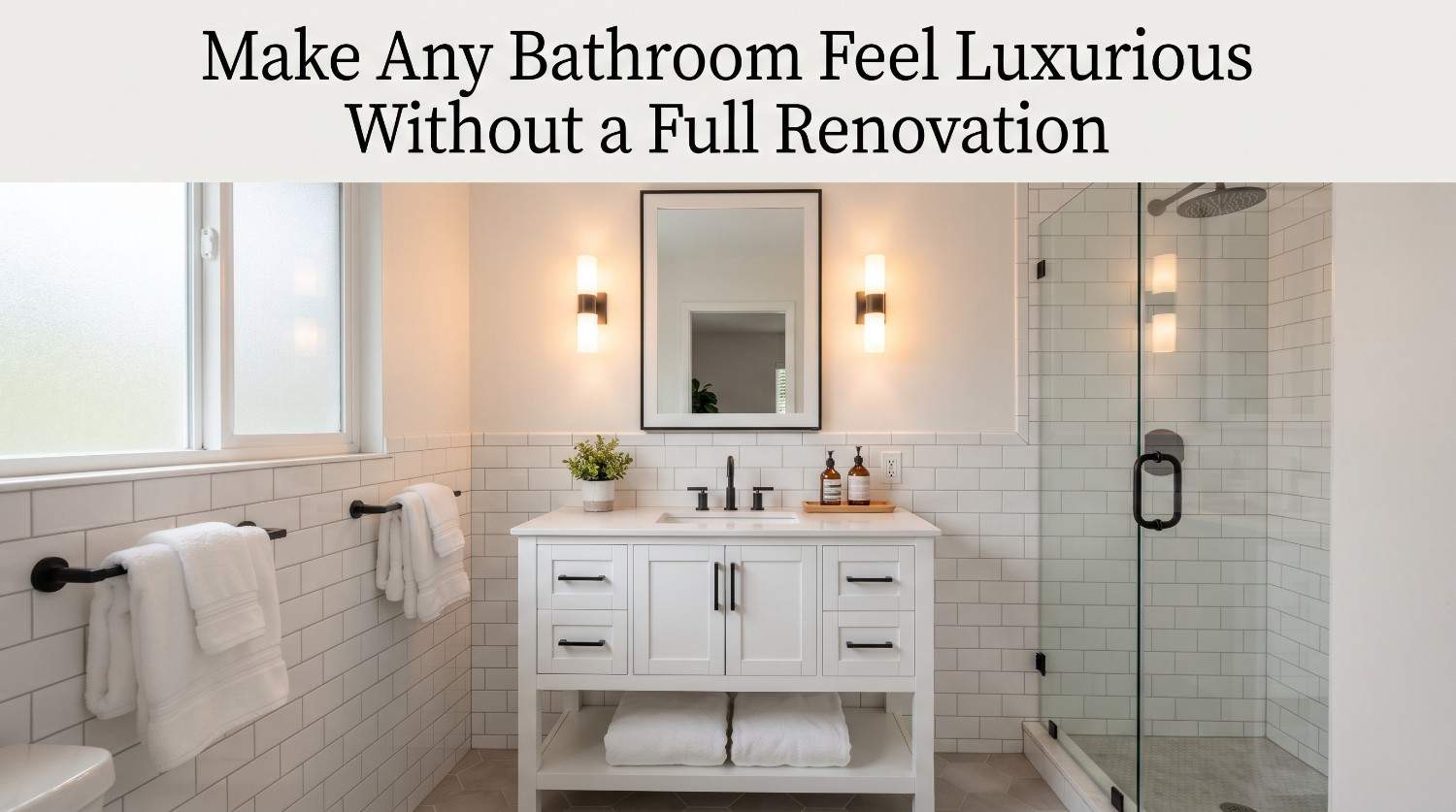
Replace a single overhead fixture with vanity sconces flanking the mirror not above it (overhead lighting creates shadows on the face)
Add a dimmer switch costs under $50 and changes how the room feels at different times of day
Cost: $150–$600 total. The result changes how every other surface in the room reads and makes bathrooms under 80 square feet feel meaningfully larger.
5. What Actually Moves the Number
Location
National ROI averages mask large regional swings. In competitive, low-inventory markets, buyers pay premiums for homes that don't need work. In slow markets, they reduce offers for the work they'd need to do. The same midrange remodel that earns 80% nationally can hit 90%+ in a hot suburb and 60% in a flat market.
Before committing to a scope:
Run comparable sales in your specific area
Ask a local agent what updated bathrooms are actually selling for vs unrenovated ones
Use that gap not a national average to set your budget ceiling
Keeping the layout
Moving a drain line or repositioning a fixture adds $2,000–$5,000 and returns almost nothing at resale. Buyers can't see the plumbing. This single decision layout change vs no layout change separates a disciplined remodel from an expensive one. Keep the layout wherever the floor plan allows.
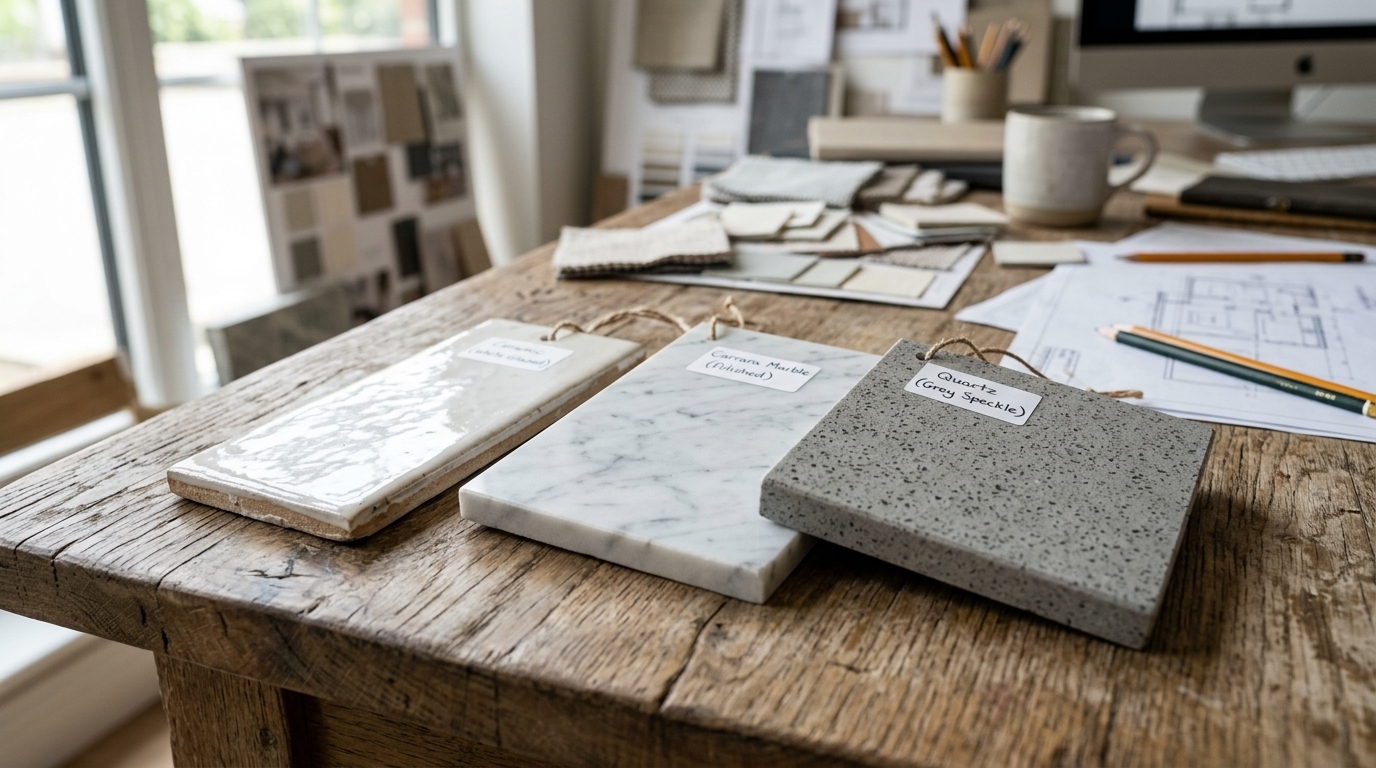
Material proportionality
Match material quality to the neighbourhood, not to what you'd like to spend. A $5,000 custom vanity in a $200,000 home returns less than a $1,500 well-chosen one in the same house.
The 10% rule (This Old House, 2026):
Primary bathroom → 5–10% of home value
Secondary bathrooms → 3–5% of home value
For a $300,000 home: $15,000–$30,000 for the main bath
Spending above the neighbourhood ceiling doesn't produce proportional returns.
The cost of waiting
A dated bathroom isn't a neutral asset in a listing. Buyers notice:
Worn or discoloured grout
Stained caulk around tub and shower
Cramped or outdated storage
Old lighting that makes the space feel smaller
Each observation becomes a mental renovation estimate, which comes off the offer. Delaying a remodel that was needed before selling often costs more in negotiated price reductions than the remodel would have.
The vanity tariff (2026 update)
From October 2025, a 50% tariff applies to imported bathroom vanities. Domestic products are exempt. Before pricing any vanity replacement:
Confirm the product's country of origin
Get quotes from domestic suppliers as a comparison
Some imported options that were affordable a year ago are now significantly more expensive
Frequently Asked Questions
What is the average ROI on a bathroom remodel?
A midrange bathroom remodel averages 80% ROI in 2026, returning $20,915 on a $26,138 average project. Minor cosmetic refreshes return 70–85% because the upfront cost is lower and the perceived improvement is high. Upscale remodels return around 42% as a percentage less per dollar spent, though the absolute dollar return is still the highest of any tier.
Does a bathroom remodel increase home value?
Yes, typically 4–7% for a well-executed midrange remodel. But the return often shows up in offer strength and days on market before it registers in an appraised value. Updated bathrooms take away buyers' main negotiating point. A faster sale at a stronger offer price is a financial return whether or not it shows on a valuation report.
What bathroom upgrades have the best ROI?
Coordinated fixtures and hardware ($200–$800) best ROI per dollar on the list. Tub or shower refinishing ($300–$600) is second when the fixture is structurally sound. Vanity replacement, lighting, and new flooring follow. Overspending on custom stone or luxury finishes in a mid-range home returns the least consistently, across every data source.
Should I remodel my bathroom before selling?
For a visibly dated bathroom, yes. Homes with updated bathrooms sell faster and see fewer price negotiations. Work on the primary bathroom first, keep the existing plumbing layout, and prioritise fixtures and lighting before tile and structural changes.
How much should I spend on a bathroom remodel?
5–10% of home value for the primary bathroom, 3–5% for secondary baths. For a $300,000 home that's $9,000–$30,000 for the main bath. Spending meaningfully above the neighbourhood ceiling doesn't come back the market absorbs what comparables support, not what the renovation cost.
Is refinishing a tub or shower worth it?
When the fixture is structurally sound, yes. Refinishing costs $300–$600. Replacing the same fixture runs $1,500–$6,000 before installation. The result looks nearly identical to buyers. If the bathroom doesn't need a full remodel, this is where to start.
Conclusion
The 80% ROI figure is real and it's well-sourced. It's also regularly used as a justification for spending more than makes sense. The pattern the data actually shows is simpler: renovations that cost less and focus on what buyers see first return the highest percentage. The $400 fixture coordination that makes a bathroom read as updated often outperforms the $8,000 custom vanity in a mid-range house not because the vanity isn't an improvement, but because the neighbourhood price ceiling doesn't pay for it.