
TLDR
The FTC received 81,925 home improvement fraud reports in 2024 and the average victim lost $1,800 per incident per BBB data.
The #1 bathroom contractor scam is the upfront deposit trap legitimate contractors never ask for more than 30% before work starts.
Fake damage discoveries mid-project (sudden mold, hidden rot) are often manufactured to extract more money after demolition.
An unlicensed contractor who skips permits creates a liability you pay for unpermitted work fails inspections and reduces resale value.
If a contractor pressures a same-day decision, that pressure is the scam walk away immediately.
What Is the Quickest Way to Identify a Bathroom Contractor Scam?
The biggest bathroom remodeling contractor scams share one trait: they exploit the moment you're most vulnerable after demolition has started, after you've paid, or after a disaster has hit. The FTC received 81,925 reports of home improvement scams in 2024, with the Better Business Bureau reporting an average loss of $1,800 per incident. The scams that cause the most damage are not obvious at first.
They follow a pattern: a low bid wins your trust, work begins, then pressure and extra charges follow. Knowing the specific pattern of each scam is what protects you.
Why Are Bathroom Remodels Specifically Targeted?
Bathroom remodels are among the highest-value residential projects a homeowner undertakes. About one in 10 Americans has been a victim of a contractor scam, with an average loss of $2,426. Bathrooms involve plumbing, electrical, tiling, and waterproofing multiple trades that make it easy for a dishonest contractor to invent new problems once walls are opened.
Homeowners are also in a weak negotiating position mid-project. Once a bathroom is demolished, you need it functional again. Scammers know this and use it deliberately.
What Are the 7 Most Common Bathroom Contractor Scams?
How Does the Upfront Deposit Scam Work in Practice?
One homeowner in Salt Lake City gave her contractor $40,000 upfront as a deposit on bathroom remodeling work. The contractor did about $8,000 of work, then disappeared. The protection is a milestone-based payment schedule written into the contract before any work starts. Each payment releases only when a defined deliverable is complete demo, rough plumbing, tile, final inspection. A contractor who refuses milestone payments is telling you something important.
How Does the Fake Damage Discovery Scam Trap Homeowners?
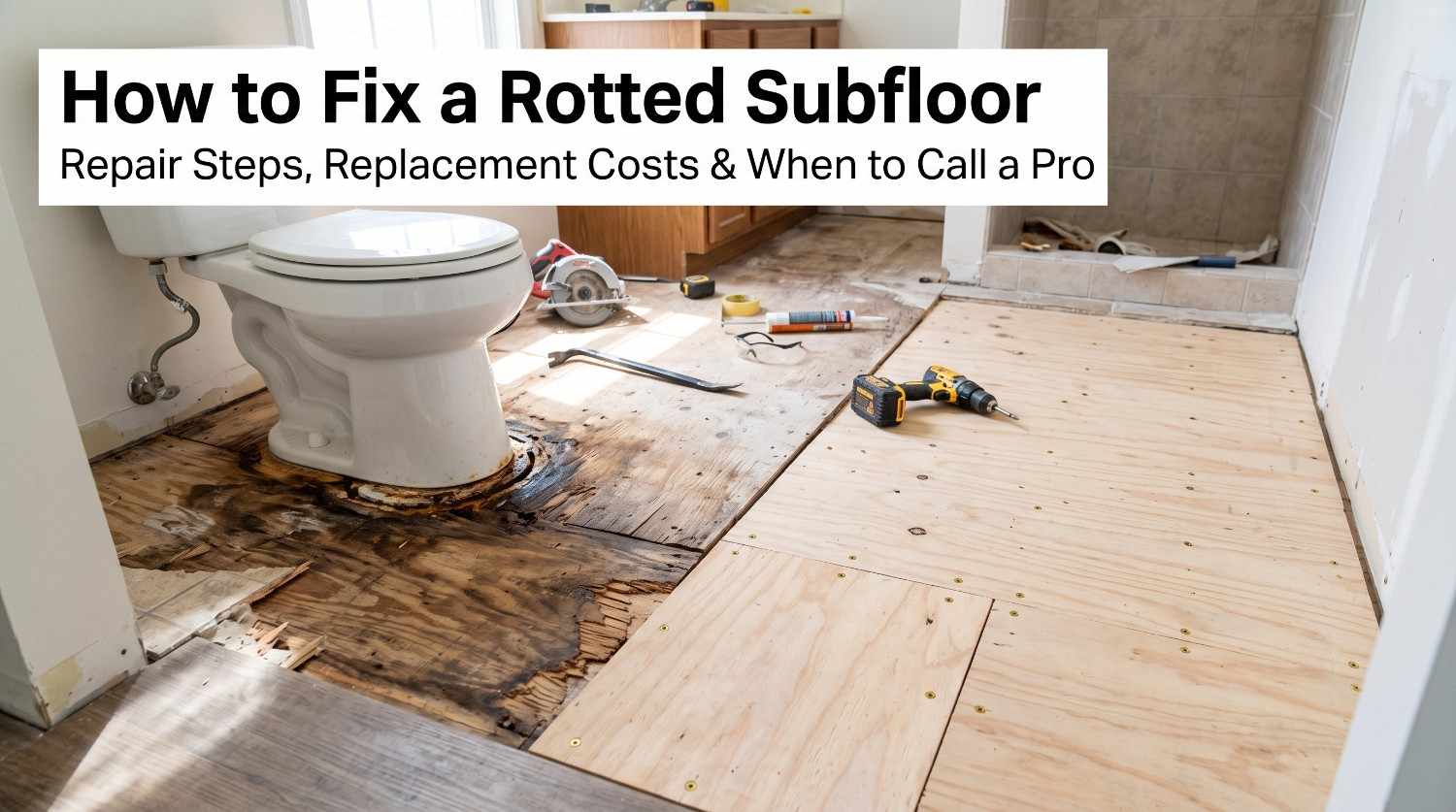
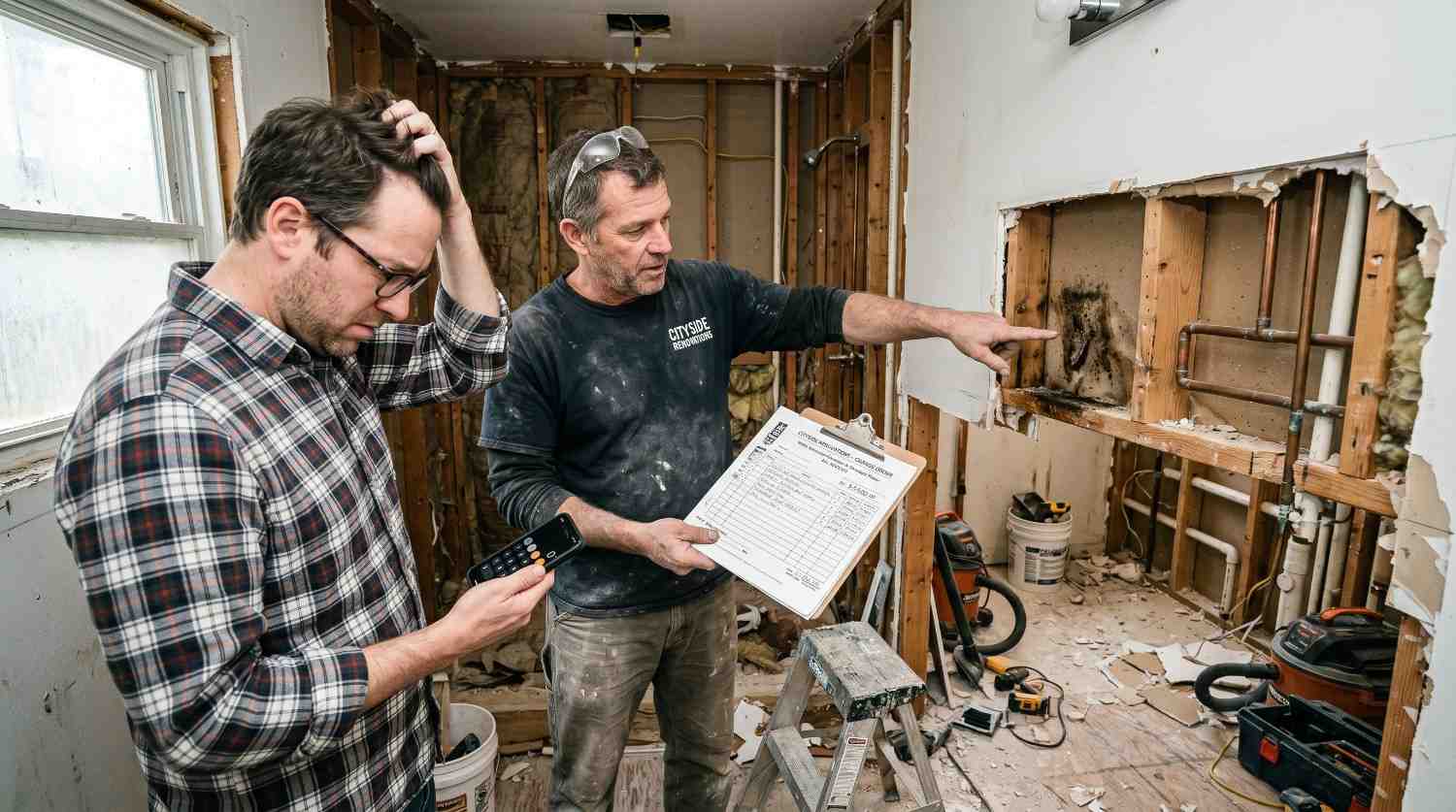
This scam is most common in bathroom remodels because walls must be opened. A contractor claims to find mold or structural rot and quotes a large remediation cost on the spot. When a contractor claims to find mold, do not use their recommended vendor for remediation that vendor is often part of the scheme. Instead, buy a mold treatment product independently or hire a separate mold remediation company for a competing estimate. Your original contract should also include a clause stating that any mold discovered requires an independent third-party inspection before additional costs are authorized.
What Makes Permit Avoidance Dangerous Beyond the Scam Itself?
An unlicensed contractor avoids pulling permits to cut corners and prevent authorities from reviewing their work. The financial harm outlasts the project. Unpermitted bathroom work fails mandatory disclosure during home sales, triggers fines from local code enforcement, and voids homeowner's insurance claims tied to the unpermitted area. Always verify that your contractor has pulled permits by calling your city's building department directly, not by taking the contractor's word for it.
What Red Flags Should You Look for Before Signing Anything?
High-pressure sales tactics phrases like "one-time deal," "before it's too late," or urgent same-day decisions are a consistent red flag across all contractor scam types. Legitimate contractors do not pressure you. They expect you to compare quotes.
Watch for these pre-contract signals:
No physical business address : PO Box only, out-of-state plates, no local track record
Quote delivered without measuring : a real quote requires site measurements and material specifications
Cash-only payment requirement : eliminates your ability to dispute or recover funds
No written contract offered : verbal agreements are unenforceable and favor the contractor
Significantly lower bid than competitors : a contractor who dramatically undercuts others may plan to raise costs mid-project or use substandard materials
How Do You Hire a Bathroom Contractor Safely?
Follow this sequence before any money changes hands:
Verify the license : check your state contractor license board online; search by name and license number
Confirm insurance : ask for a Certificate of Insurance naming you as additionally insured
Pull three quotes minimum : compare scope, not just price; cheap bids that omit line items are red flags
Require a detailed written contract : scope of work, materials specified by brand/model, start and end dates, milestone payment schedule, and a change-order process
Call the permit office : confirm permits are pulled before demo begins
Never pay in cash : pay by check or credit card to preserve dispute rights
Finding pre-vetted, licensed bathroom contractors removes the verification burden entirely. Platforms like Nationwide Builders match homeowners with background-checked contractors so the license, insurance, and review checks are done before you ever get on a call.
Frequently Asked Questions
How much deposit is normal for a bathroom remodel contractor?
A standard bathroom contractor deposit is 10–30% of the total project cost. Asking for more than one-third of the project cost upfront is a red flag; some local laws also regulate the maximum allowable deposit amount. Legitimate contractors structure the rest of the payment in milestone installments tied to verified work completion. However, note that very large projects (over $30,000) sometimes involve higher initial materials costs, always confirm the deposit covers materials, not just labor, and get receipts.
What should I do if my bathroom contractor disappeared with my deposit?
If a contractor vanishes after taking your deposit, file a complaint with the FTC at ReportFraud.ftc.gov, your state attorney general's office, and the Better Business Bureau. Maintain records of all communications, contracts, and payment receipts these documents are required if you escalate to consumer protection agencies or pursue legal action. If the contractor was licensed, file a claim against their surety bond through the state licensing board. For losses above $10,000, consult a consumer fraud attorney. Note that cash payments are nearly impossible to recover always pay by traceable method.
How do I verify that a bathroom contractor is actually licensed?
Every US state maintains a public contractor license lookup tool through its Department of Consumer Affairs or Contractor State License Board. Search by the contractor's full legal business name and license number both must match. Hiring licensed and bonded contractors provides financial security against scams, since surety bonds offer recourse if work is abandoned or defective. Also confirm the license covers the specific trade a general contractor license does not always authorize plumbing or electrical subwork. However, license verification alone is not sufficient; always request proof of liability insurance separately.
Is it a scam if a contractor wants to subcontract part of my bathroom remodel?
Subcontracting is common and legal, but it becomes a scam when it is hidden or unauthorized. The risk is that a contractor sells a job and then sends an unqualified crew who perform poor-quality work. Your contract should name all subcontractors and require your written approval before any substitution. Ask whether the subcontractors carry their own insurance if they don't and they're injured on your property, you could face liability. Legitimate general contractors are transparent about who will be doing each portion of the work.
Can a bathroom contractor legally do work without permits?
No licensed contractor can legally bypass permit requirements for bathroom work involving plumbing, electrical, or structural changes. Some unlicensed contractors ask the homeowner to pull a homeowner's permit which is designed for true DIY projects allowing the contractor to work without a license. Agreeing to this arrangement transfers legal liability to you as the homeowner if the work fails inspection or causes damage. Always require your contractor to pull all required permits in their company name. If they refuse, treat it as a disqualifying red flag.