
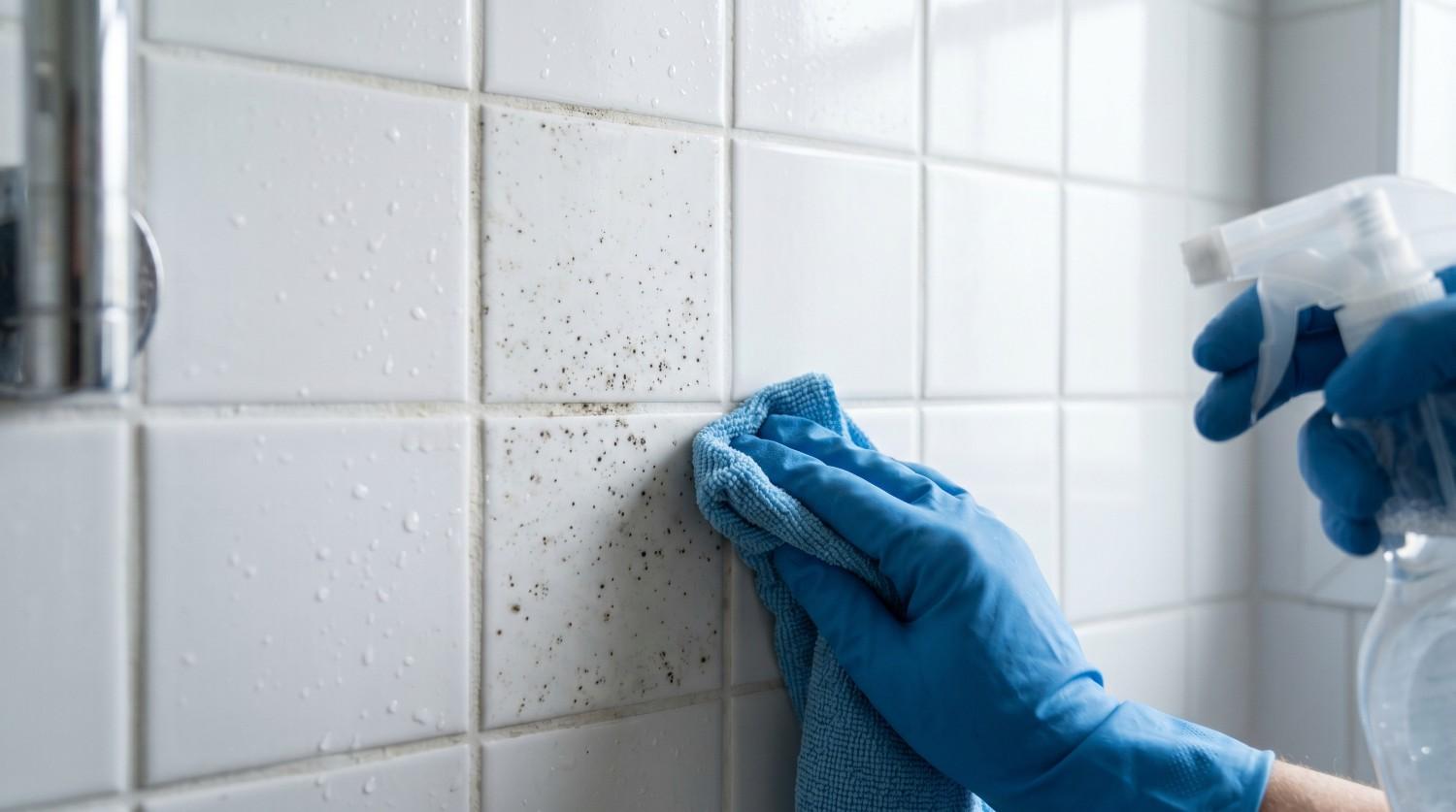
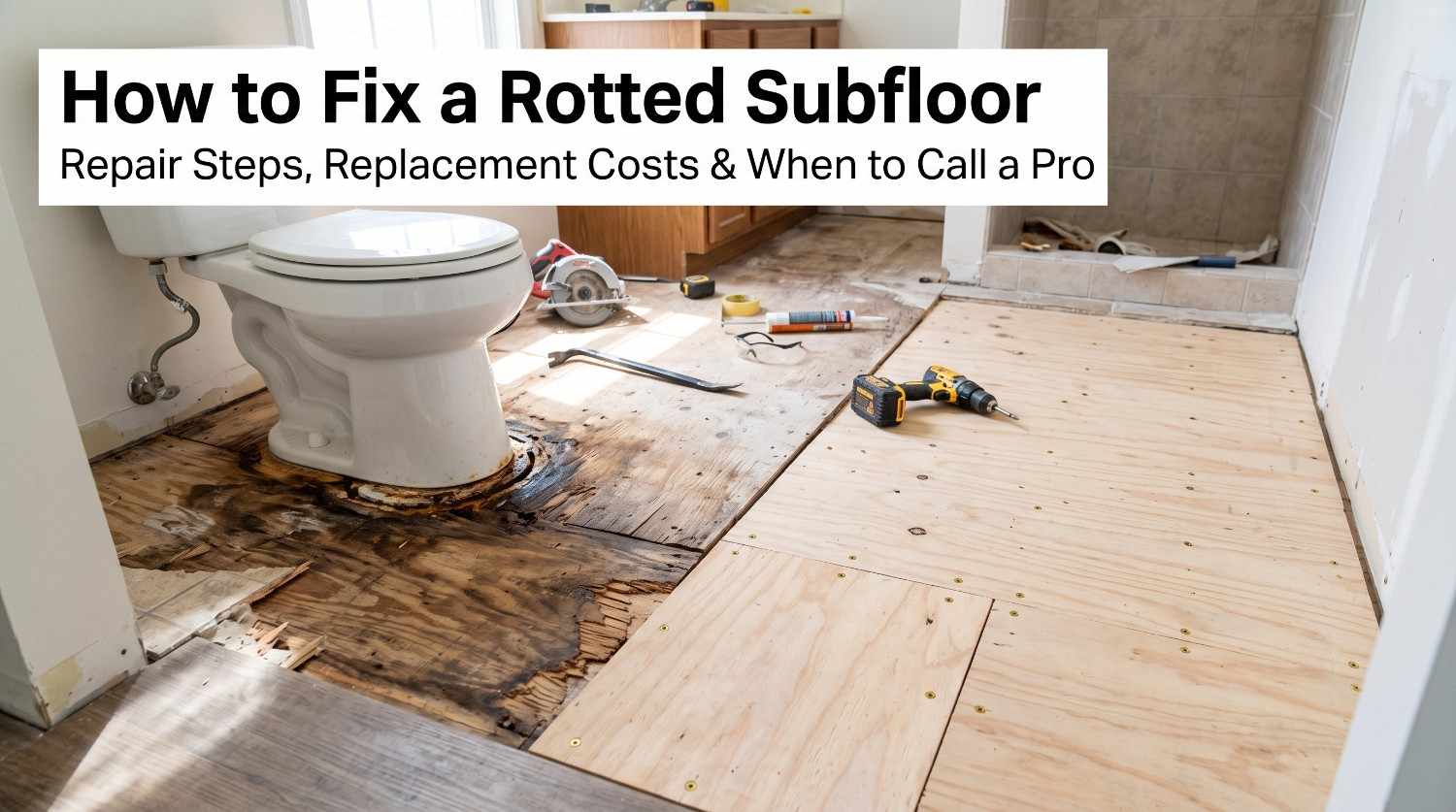
If mold wipes away and stays gone, it is surface mold you can clean yourself. If it keeps returning, hides behind tile or under the floor, or comes with a soft spot or musty smell, it is likely structural and needs a professional. Surface mold sits on grout, caulk, paint, or tile and cleans off. Structural mold has grown into drywall, backer board, or subfloor and cannot be wiped away. The fastest tell is recurrence: cleaned correctly, surface mold does not return within two to three weeks; structural mold does. A soft floor, hollow or loose tiles, and bubbling paint point to rot behind the surface, not a cosmetic problem. The EPA says homeowners can clean mold under about 10 square feet (a 3 by 3 foot area); anything larger or behind walls needs a pro. A musty smell with no visible mold means hidden growth; fix the moisture source first, or it returns. Most bathroom mold is surface mold and harmless once you fix the moisture. The same spot, though, can be a five-minute job or the edge of rot inside the wall, so telling them apart before you scrub protects your health and your budget. The EPA notes spores can start growing on a damp surface within 24 to 48 hours, and that cleaning mold without fixing the water source almost guarantees it returns. If anyone in the home has asthma, a mold allergy, or a weakened immune system, treat even small growth cautiously. Surface mold and mildew grow on top of sealed surfaces like tile, grout, and painted walls, feeding on soap scum and dampness, so a cleaner reaches all of it. Structural mold grows inside porous materials like drywall, particle board, insulation, and wood subfloor, where a cleaner cannot reach the roots. Porous materials cannot be fully cleaned once mold colonizes them; the EPA states absorbent materials such as drywall and ceiling tile often must be removed and replaced. Color is a poor guide: the CDC notes mold color does not indicate how dangerous it is, so a patch of cosmetic black mold on caulk is not automatically worse than pale growth elsewhere. Watch for damage to the material, not just discoloration. Bubbling or peeling paint beside the shower, tiles that sound hollow or shift when pressed, and a floor that feels soft underfoot all signal rot behind the surface, usually a subfloor decaying from a hidden leak. Two quieter signs matter as much. A persistent musty smell with no mold in sight is one of the most reliable signs of hidden mold in a home, often inside a wall or under the vanity. Mold that returns within two to three weeks of a proper cleaning is not a cleaning failure; the source is behind the surface. You can sort most bathroom mold in minutes with four checks. Wipe test: clean a small patch; if it comes fully clean and the material under it is firm, that is surface mold. Tap test: tap suspect tiles and press the wall; a hollow sound or any give means moisture reached the backer board. Probe test: press the floor and cabinet base near the toilet; softness or a knife tip that sinks in means the wood is rotting. Recurrence test: after cleaning, watch the spot for two to three weeks; a return means a hidden source. Pass all four and it is almost certainly surface mold; fail any one and bring in a pro. When Does Bathroom Mold Need a Professional Instead of DIY? Call a professional when mold covers more than about 10 square feet, sits behind tile or inside a wall, comes with a soft floor, or keeps returning after cleaning. The EPA treats 10 square feet (about 3 by 3 feet) as the line where DIY stops and contained removal begins, because larger growth usually signals a bigger moisture problem. Nationwide Builders lets homeowners compare reviewed local remediation contractors before hiring. Most guides end at "call a professional" without saying which one. Surface mold needs no one beyond you or a handyman. Suspected hidden mold should start with a mold inspection: the inspector uses a moisture meter and thermal camera and often checks the crawl space below the bathroom floor before anyone tears anything out. A black mold inspection is worth booking when growth is on drywall or keeps returning. Confirmed structural mold needs a remediation contractor, and if the subfloor or framing is damaged, a general contractor for the mold structural repairs. Be wary of letting the same company that runs the inspection also bid the removal, since it has an incentive to find more work. An independent assessment keeps the scope honest, which is why a standalone crawl space mold inspection helps when dampness seems to come from below. Nationwide Builders connects homeowners with reviewed inspectors, remediation specialists, and general contractors, and its guide to which contractor handles bathroom mold remediation breaks down each role. No. The CDC notes color does not indicate how dangerous a mold is, so black spots on grout or caulk are usually cosmetic black mold that cleans off. It becomes structural only when it appears on drywall, spreads behind tile, or returns after cleaning. The moisture source is still active, or the mold has grown into a porous material you cannot fully clean. Fix the leak, sealing failure, or ventilation problem; if it still returns, the growth is likely structural. Cost depends on the size of the area, the materials involved, and whether structural repair is needed. Review typical pricing in the Nationwide Builders mold remediation cost guide, then compare local pros. A soft or spongy floor means the subfloor is holding moisture and decaying, and mold is almost always part of that. See whether a spongy bathroom floor can collapse for what to check and when to act. Usually not first. The CDC does not recommend routine air sampling and considers visual inspection and musty-odor detection more reliable, since there are no health-based standards for mold in indoor air.What Is the Difference Between Surface and Structural Bathroom Mold?
What Are the Warning Signs That Bathroom Mold Is Structural?
How Do You Test Whether Your Bathroom Mold Is Surface or Structural?
What Most Bathroom Mold Guides Miss: Matching the Right Pro to Your Verdict
Frequently Asked Questions
Is black mold in the bathroom always structural?
Why does my bathroom mold keep coming back after I clean it?
How much does professional bathroom mold removal cost?
Does a soft bathroom floor always mean mold?
Should I test the air for mold before hiring anyone?
How to Tell If Bathroom Mold Is Surface Mold or Structural
Surface mold wipes clean and stays gone, structural mold returns or hides behind tile and floors. Learn the four-test method and when to call a pro.

Written by Zohaib Ali
More on Nationwide BuildersRead more Home Improvement Tips blogs





Pros
Support