
Your bathroom looks old, but that does not automatically mean it needs to be demolished. The right scope depends on whether the problem is cosmetic, functional, or hidden behind the walls and floor.
A bathroom renovation improves the existing space without substantially changing its layout. A bathroom remodel changes how the room works and may involve plumbing, electrical work, waterproofing, demolition, or fixture relocation.
Renovate when the bathroom works correctly but looks dated.
Remodel when you have water damage, recurring leaks, an impractical layout, unsafe access, or failing plumbing.
Do not install new finishes before checking the subfloor, waterproofing, ventilation, and pipes.
Bathroom age is only a clue. Its condition should determine the project.
Choose the smallest scope that completely solves the underlying problem.
What Is the Difference Between Bathroom Renovation and Remodel?
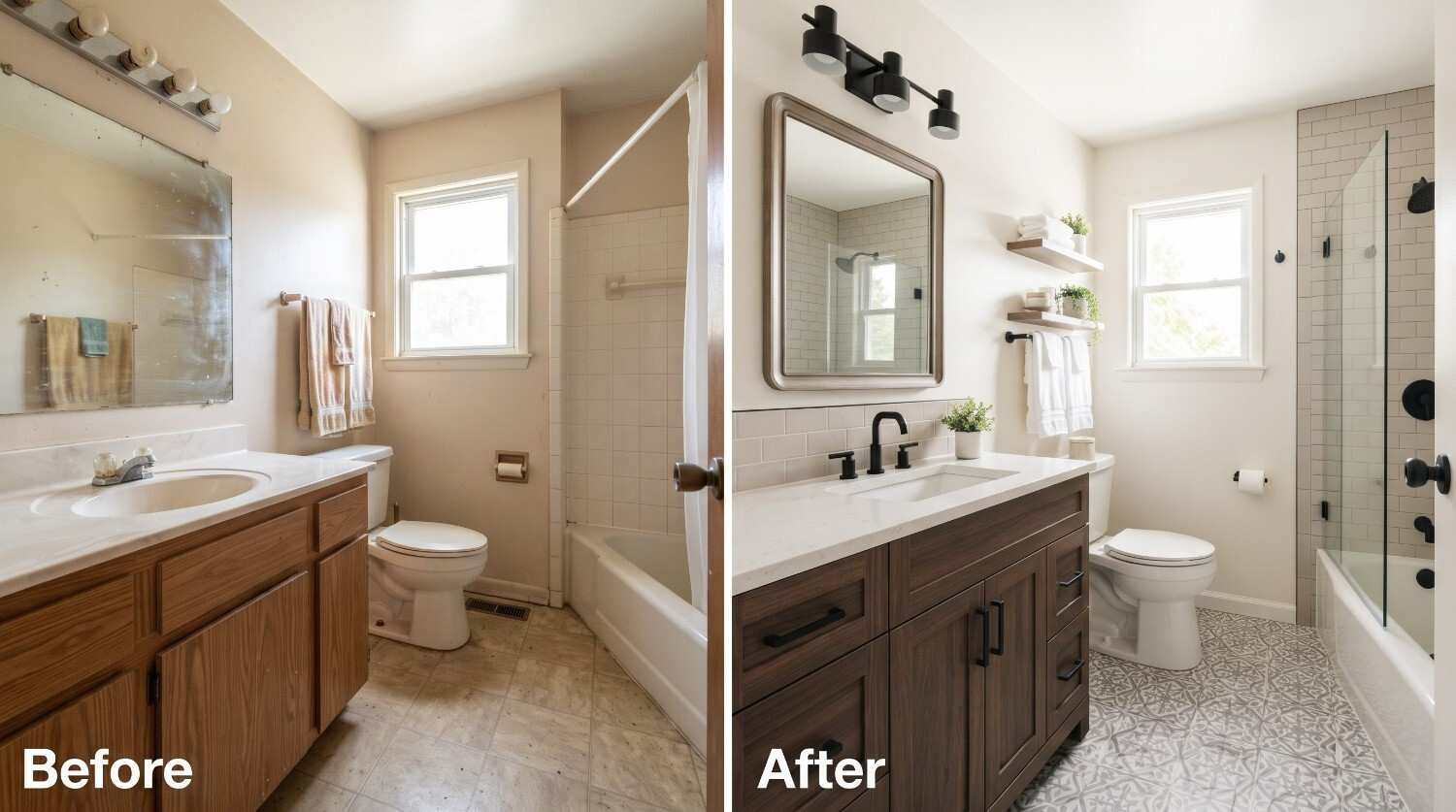
A renovation updates what is already there. A remodel changes the room itself.
Painting, replacing a vanity, installing new lights, updating faucets, or changing flooring are usually renovation projects. Moving a toilet, rebuilding a shower, repairing a damaged subfloor, or changing the floor plan requires remodeling.
Do not rely only on the label used by a contractor. Read the written scope and identify what will be removed, repaired, moved, or replaced.
When Should You Remodel Your Bathroom?
You should remodel when cosmetic work would hide a problem instead of fixing it.
New tile will not repair a leaking shower pan. A new vanity will not stop water from a corroded pipe. Installing flooring over a soft subfloor only delays a more expensive repair.
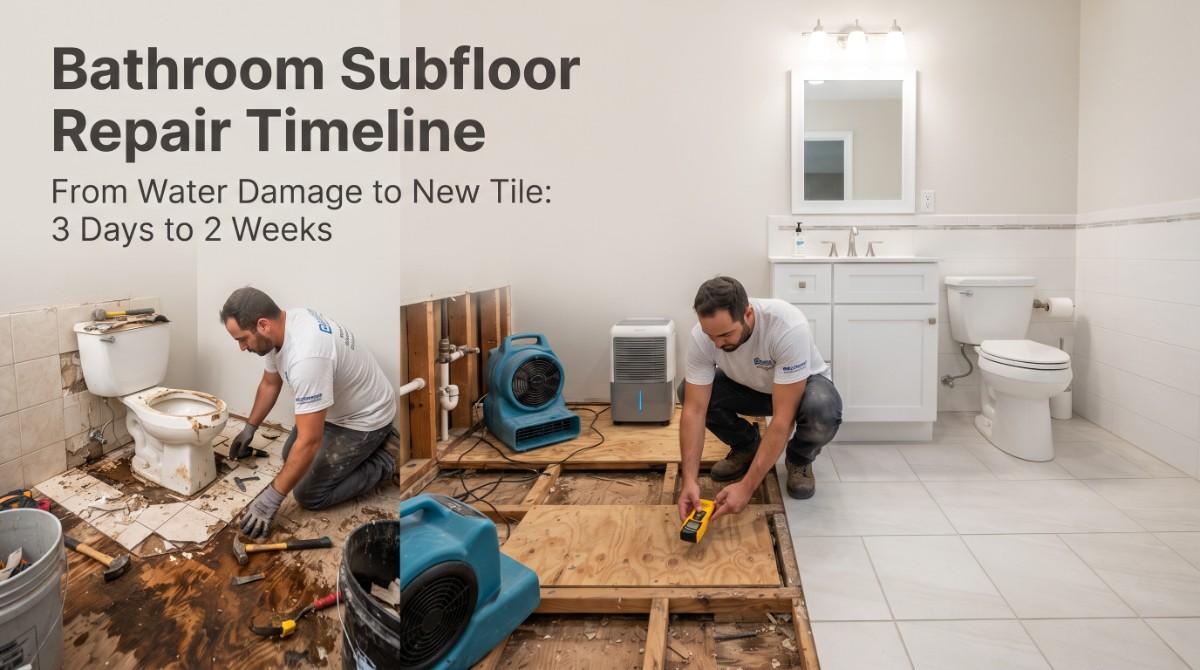
Water Damage Has Reached Hidden Materials
Peeling paint after a shower may result from weak ventilation. Swollen cabinets, loose floor tiles, stains on the ceiling below, or a soft floor can indicate moisture beneath the surface.
Once water reaches drywall, framing, or subflooring, the damaged area usually needs to be opened. Mold also grows where moisture remains around leaks, wet drywall, or damp building materials, so cleaning the visible surface without correcting the moisture source is not enough. The CDC explains the connection between moisture, leaks, and indoor mold growth.
The Same Repairs Keep Failing
A repair that repeatedly fails is a warning sign.
Recurring grout cracks may indicate movement behind the tile. A toilet that needs frequent resetting may have a damaged flange or subfloor. Caulk that quickly separates around a shower may point to movement or failed waterproofing.
When the same symptom returns, stop paying for another surface repair. Find the cause first.
The Layout Does Not Support Daily Use
A bathroom can technically function while still being frustrating every day.
Common layout problems include:
A door that hits the vanity
A toilet that blocks movement
A tub that consumes most of the floor area
No usable storage near the sink
A shower that is difficult to enter
Poor lighting at the mirror
Replacing the finishes will not solve these issues. Changing fixture placement or rebuilding the bathing area may be necessary.
Homeowners considering a tub replacement can review these walk-in shower remodel ideas before deciding how much of the room needs to change.
The Bathroom Is Unsafe
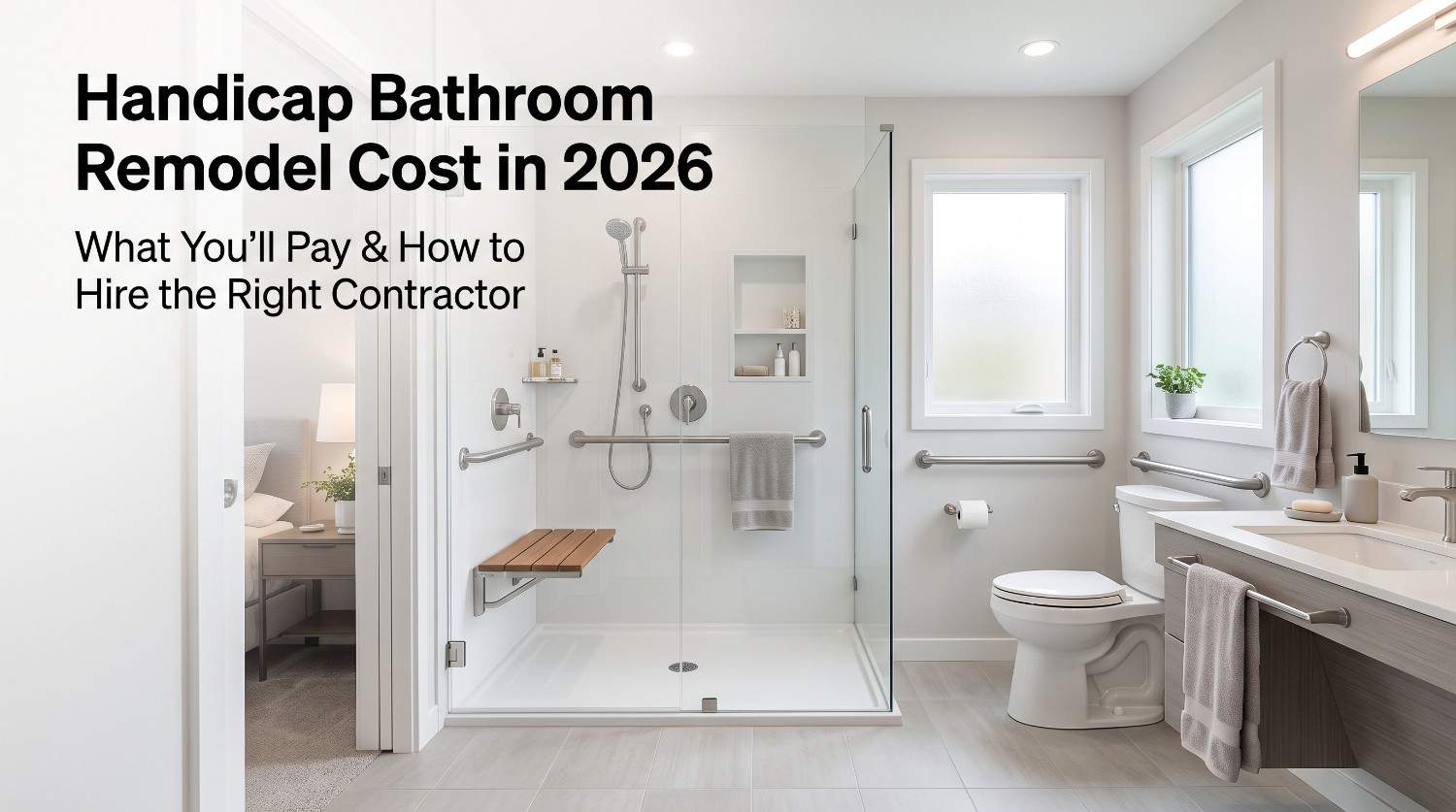
Slippery flooring, a high tub wall, poor lighting, and a lack of stable support can create problems for older adults or people with limited mobility.
A safety-focused remodel may include:
A curbless or low-threshold shower
Properly anchored grab bars
Slip-resistant flooring
A shower bench
Better task and night lighting
More usable space around fixtures
Falls are a major risk for older adults, and the CDC reports that more than one in four adults aged 65 and older falls each year. Its fall-prevention resources explain why home hazards should be addressed early.
The Nationwide Builders guide to an aging-in-place bathroom remodel covers accessibility features, clearances, and planning considerations in more detail.
When Is an Old Bathroom Renovation Enough?
An old bathroom renovation may be enough when the room is structurally sound, dry, and functional.
Choose renovation when:
No active leaks are present.
The floor feels firm.
The shower and tub drain properly.
Ventilation controls steam and moisture.
The existing layout works for your household.
Fixtures can be replaced without relocating pipes.
The main problem is dated appearance.
In this situation, paint, lighting, flooring, faucets, hardware, mirrors, or a new vanity can improve the room without unnecessary demolition.
A well-maintained 25-year-old bathroom may need less work than a much newer bathroom with poor waterproofing. Age helps you know what to inspect, but it does not decide the final scope.
Which Problems Can Be Fixed Without a Full Remodel?
Not every issue requires rebuilding the entire bathroom.
The scope should follow the cause, not just the visible symptom.
What Should Be Checked Before Renovating an Old Bathroom?
Before ordering finishes, inspect the areas that become difficult to reach after the project is complete.
Ask the contractor to check:
Plumbing: Corrosion, leaking valves, weak water pressure, and slow drains.
Subfloor: Softness or staining around the toilet, tub, and shower.
Waterproofing: Failed shower pans, wall membranes, and problem joints.
Ventilation: Confirm the fan vents outside rather than into an attic or wall cavity. The Department of Energy warns that exhausting bathroom moisture into enclosed building areas can contribute to mold and rot. See its bathroom exhaust guidance.
Electrical system: Lighting, outlet placement, and required safety protection.
Fixture clearance: Enough room to enter, clean, and use each fixture comfortably.
This inspection prevents new tile or flooring from being removed later to repair an older system.
Should You Renovate or Remodel Before Selling?
Renovate before selling when the bathroom works correctly but looks neglected. Updated paint, lighting, hardware, mirrors, and a clean vanity can improve presentation without the cost of structural work. Remodel when a buyer or inspector is likely to find leakage, damaged flooring, unsafe electrical work, or a failing shower.
When the budget is limited, repair condition before improving style. Buyers may accept outdated tile, but active moisture damage creates uncertainty about what is hidden behind it.
How Do You Choose the Right Project Scope?
Before requesting estimates, write down:
What is wrong with the bathroom now?
What must work better after the project?
Which changes are necessary?
Which upgrades are optional?
Give every contractor the same list. A cosmetic renovation estimate cannot be fairly compared with a complete remodeling estimate because they solve different problems.
You can also use the Nationwide Builders bathroom remodeling contractor directory to find local professionals and compare options for the required scope.
Frequently Asked Questions
Is bathroom renovation the same as remodeling?
No. Renovation updates the existing room. Remodeling changes its layout, systems, structure, or function.
When should you remodel your bathroom?
Remodel when there is water damage, repeated leakage, unsafe access, failed waterproofing, old plumbing, or a layout that no longer meets your needs.
Can you renovate an old bathroom without replacing the plumbing?
Yes, when the plumbing is in good condition and supports the planned fixtures. It should still be inspected before walls and floors are covered.
Does recurring mold mean the whole bathroom needs remodeling?
Not always. Poor ventilation may be the cause. A hidden leak or waterproofing failure may require opening only the affected area.
Is a tub-to-shower conversion a renovation or remodel?
It is generally a remodel because the bathing area is removed and rebuilt, potentially involving plumbing, waterproofing, walls, flooring, and glass.
Conclusion
Choose a bathroom renovation when the room works correctly and needs only cosmetic improvements. Choose a remodel when the real issue involves water damage, safety, plumbing, layout, or daily function. The best project is not the largest one. It is the smallest scope that fixes the complete problem without covering work that will need to be reopened later.