
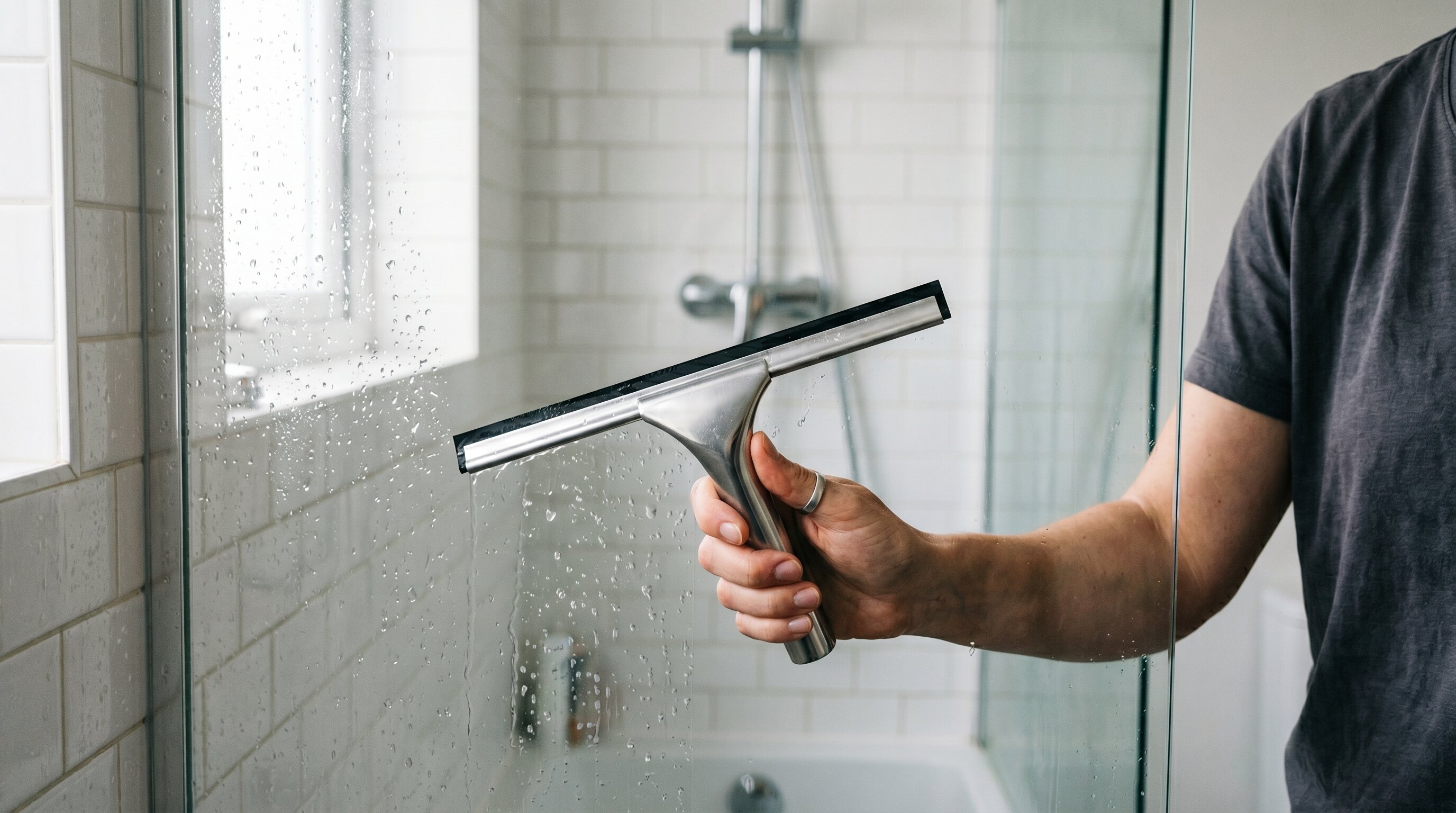
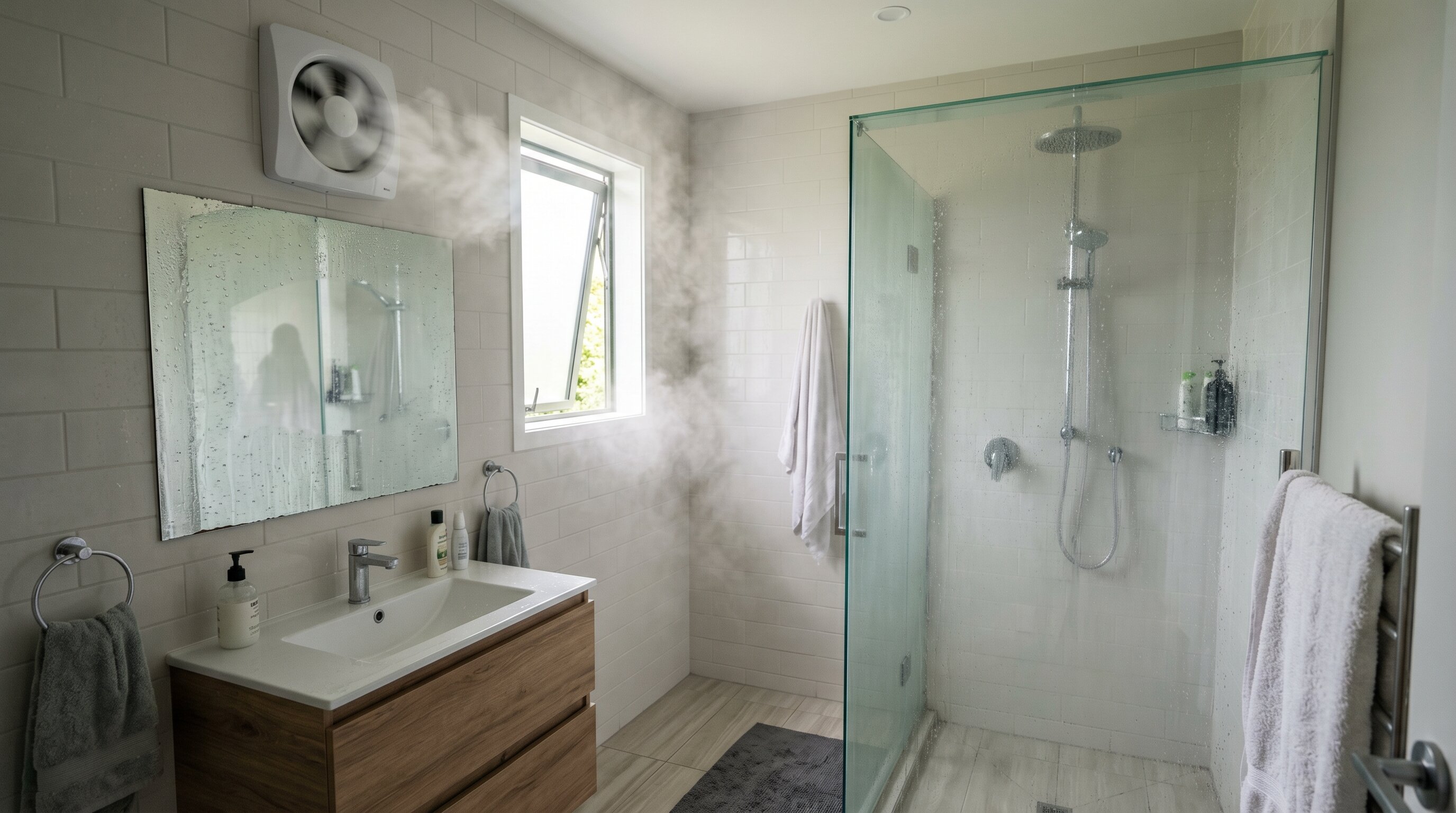
Mold can start growing on a wet bathroom surface in as little as 24 to 48 hours. Most people do not notice it until it has already spread by then it has worked its way into grout, caulk, and ceiling paint. The bathroom is the most mold-prone room in any home. A single hot shower sends humidity above 70 percent. Poor ventilation keeps it there. The combination is almost perfectly designed to grow mold. The CDC recommends keeping indoor humidity below 50 percent to prevent mold growth. The gap between 50 and 70 percent is where mold wins every time. The good news is this: mold prevention is not complicated. It is mostly about building a few consistent habits and fixing the small things before they become big ones. This guide covers every surface in your bathroom ceiling, grout, caulk, curtain, mat, with practical steps you can start today. Mold is a fungus that reproduces through airborne spores. Those spores are everywhere in the air, on surfaces, on your clothes. Under dry conditions, they are harmless. The moment they land on a damp surface, the clock starts. Bathrooms give mold everything it needs: moisture from showers, warmth from hot water, and organic matter trapped in grout lines, silicone joints, and fabric. The most common causes: Poor ventilation moisture stays trapped after every shower Leaky pipes or faucets keeps areas damp around the clock Wet towels, bath mats, and shower curtains that never fully dry Grout and caulk that have not been sealed or replaced Condensation on ceilings and walls with no airflow to dry them Under-insulated walls humid air seeps between wall cavities and creates hidden condensation that feeds mold from the inside out Most people notice mild symptoms first: a stuffy nose, persistent cough, or irritated eyes that clear up once they leave the bathroom. For children, the elderly, and anyone with asthma or a compromised immune system, the effects can be significantly worse. The CDC links prolonged mold exposure to lung infections in immunocompromised individuals. As certified mold remediation professionals note: the longer mold is left untreated, the deeper it penetrates porous materials making it progressively harder and more expensive to remove. The practical test: if your symptoms consistently improve when you step outside the bathroom, mold or high humidity is almost certainly the cause. That matters because understanding the cause is what leads you to the right prevention which is what the rest of this guide is about. Not all bathroom mold is the same. Alternaria appears as dark, velvety patches in corners usually caused by chronic surface moisture. It is common in poorly ventilated bathrooms. Aspergillus comes in many colours and thrives in warm, humid conditions. It can aggravate asthma and allergies, and frequently appears in bathrooms where humidity lingers for hours after a shower. Stachybotrys chartarum true black mold needs sustained, continuous moisture to grow. It typically appears after a leak or prolonged water damage. Most dark bathroom mold is not Stachybotrys, but any persistent black growth should be treated seriously. Fix the moisture source first, then clean the surface. The exhaust fan is your first line of defence but most people use it too briefly. Turn it on before you step into the shower, not after. Then leave it running for at least 30 minutes once you are done. The CDC recommends 30 minutes as the minimum time needed to bring humidity back to safe levels. Running it for only 5 to 10 minutes leaves significant moisture in the air. To size your fan correctly: multiply your bathroom's square footage by 1.1. That gives you the minimum CFM (cubic feet per minute) rating you need. A 60 sq ft bathroom needs at least a 66 CFM fan. If your bathroom has no window and no fan, a portable dehumidifier near the shower can fill the gap. You cannot manage what you cannot measure. A digital hygrometer available for under £10 or $15 tells you the exact humidity level in your bathroom at any moment. Keep humidity below 50 percent. Mold begins to grow above 55 percent. If your exhaust fan alone is not keeping up, a small bathroom dehumidifier makes a real difference. Look for one with a built-in humidity sensor and an auto-shutoff function. If it will live permanently in your bathroom, choose a model with a drain pump so you are not emptying the tank every day. This takes about 60 seconds. Use a squeegee on glass doors and a dry microfiber cloth on walls and the tub surround. Water sitting on tile for hours is exactly how mold spores find their foothold. Keep the shower door or curtain open after use. It helps the interior dry faster and stops moisture from pooling at the base. 4. Seal grout and replace caulk on schedule Grout is porous. It absorbs moisture and traps organic debris the exact environment mold needs. Apply a grout sealer once a year to create a barrier that blocks moisture from penetrating the surface. Caulk is equally critical. Inspect it every few months for cracks or discolouration. Replace silicone caulk every 5 to 8 years even if it looks intact. Once mold gets into silicone joints, it cannot be cleaned out. The whole bead must come off. When re-caulking, always choose a mold-resistant silicone product. It is worth the small extra cost. After wiping down the shower, spray the walls with a no-rinse daily shower spray. These products break down soap scum and mineral deposits before they build up removing two things mold feeds on. It takes five seconds. No scrubbing, no rinsing. Spray and walk away. Make sure the product is compatible with your wall materials before using. Bath mats are one of the most overlooked mold sources in the bathroom. When a wet mat sits flat on the floor all day, the underside never dries. After each shower, hang the mat over the tub edge or a towel rail. Wash it weekly. If the rubber backing is cracking or peeling, replace the mat it will not dry properly and mold will colonise the underside. A diatomaceous earth bath mat is worth considering if you have persistent problems. It absorbs water instantly and dries in minutes. No mold. No smell. For shower curtains, extend them fully after each shower so they dry in an open position. Wash monthly. Use a mildew-resistant polyester liner rather than a cheap plastic one. Polyester is machine-washable and holds up far better. A slow drip under the sink or behind the toilet keeps walls and floors damp 24 hours a day. Mold will find it long before you notice. Check pipes and fixtures every few months. Water stains, soft drywall, or a musty smell near the toilet are early warnings. Fix leaks immediately, even a steady drip adds up to litres of water soaking into walls daily. Also check your tiles and grout for chips. A cracked tile lets water seep behind the wall, where mold can grow invisibly for months. If you are repainting the bathroom, this is the easiest long-term upgrade you can make. Mold-resistant paint contains antimicrobial agents that kill spores before they can establish. Use a semi-gloss finish on walls and ceiling. The smooth surface repels water rather than absorbing it. You can also add a mold inhibitor to standard paint before applying; these are available at most hardware and home improvement stores. Open a window during or after a shower whenever possible. Even a few centimetres of gap dramatically increases airflow. If you have no window, keep the bathroom door cracked open after showering cross-ventilation pulls moist air into a larger, drier space. Some plants actively absorb airborne moisture. Snake plants, peace lilies, Boston ferns, and reed palms all thrive in bathroom humidity and contribute to lower moisture levels. They will not replace your exhaust fan but they help and they look good doing it. 10. Clean consistently: in the right places A weekly deep-clean removes soap scum and organic residue before mold spores can establish. Use equal parts white vinegar and water as your baseline cleaner. Spray, wait five minutes, scrub with a soft brush, and rinse. For tougher mildew or hard water stains, use a paste of baking soda and water. Scrub and rinse. One spot most people forget: the ceiling corners above the shower. Steam rises and condenses there first. A quick wipe during your weekly clean stops mold before it ever becomes visible. Wash towels and bath mats weekly. Wash the shower curtain monthly. Never leave damp towels folded or bunched and hang them fully open between uses. Safety warning: Never mix bleach with ammonia or other household cleaners. The combination produces chloramine gas toxic and potentially dangerous. Use bleach alone, diluted as directed, with the window open and the fan running. According to the EPA, areas under 10 square feet can be tackled yourself. Anything larger or mold behind walls, under floors, or near ventilation requires a certified professional. Put on an N95 respirator, long gloves, and safety goggles before you start Mist the mold lightly so spores do not become airborne during cleaning Apply dish soap and water, or diluted white vinegar Let it sit for 10 to 15 minutes Scrub with a stiff-bristled brush use a toothbrush for grout lines Rinse and dry the area completely For non-porous surfaces, follow with a diluted bleach wipe for disinfection If mold returns within a few weeks, the problem is moisture, not the cleaning method. Find and fix the source: a leaky pipe, failed caulk, or an underpowered exhaust fan. Every day ✓ Run exhaust fan during shower and 30 minutes after ✓ Squeegee shower walls and glass doors ✓ Hang bath mat to dry do not leave flat on floor ✓ Extend shower curtain fully to air-dry Every week ✓ Deep-clean tiles and grout with vinegar solution ✓ Wipe ceiling corners above the shower ✓ Wash towels and bath mat ✓ Check hygrometer humidity should be below 50% Every month ✓ Wash shower curtain ✓ Inspect grout for cracks seal if needed ✓ Check caulk lines around tub and shower ✓ Look under sink and behind toilet for drips Every year ✓ Re-apply grout sealer to all tile joints ✓ Assess caulk replace if 5 to 8 years old or cracking ✓ Check bathroom wall insulation if mold keeps returning The CDC recommends keeping indoor humidity below 50 percent. Mold begins to grow above 55 percent. Use a digital hygrometer to monitor your bathroom and run the exhaust fan for at least 30 minutes after every shower. At least 30 minutes the CDC-recommended minimum to reduce humidity to safe levels. Running it for only 5 to 10 minutes leaves significant moisture in the air, which then condenses on walls and the ceiling. Mildew is an early-stage surface mold. It appears as white or grey powdery patches. Pink slime in the shower or on tile grout is mildew a warning sign that conditions are ripe for full mold growth. Treat it quickly before it progresses. Every 5 to 8 years as a general rule even if it looks intact. Once mold penetrates silicone caulk, it cannot be cleaned out. The entire bead must be removed and reapplied with mold-resistant silicone. Some plants absorb airborne moisture and contribute to lower humidity. Snake plants, peace lilies, Boston ferns, and reed palms are all good choices for bathrooms. They support a healthier bathroom environment, though they are not a replacement for an exhaust fan. Call a certified mold remediator if the mold covers more than 10 square feet, if it keeps returning after cleaning, if the ceiling feels soft or swollen, or if household members have persistent respiratory symptoms. Look for IICRC certification and ask for a written scope of work before they start. Bathroom mold is a moisture problem first and a cleaning problem second. Fix the conditions humidity, ventilation, leaks, and grout integrity and mold simply has nowhere to live. Most of the habits in this guide take under a minute a day. The bigger tasks sealing grout, replacing caulk, upgrading the fan only need attention once or twice a year. Start with what you can do today. Run the fan longer. Hang the bath mat. Wipe down the walls. A mold-free bathroom is built one small habit at a time.How to Prevent Mold in the Bathroom (The Complete Guide)
Why Mold Loves Your Bathroom
What mold does to your health
Three Types of Mold Commonly Found in Bathrooms
10 Ways to Prevent Mold in the Bathroom
1. Run the exhaust fan correctly
2. Monitor and control humidity
3. Wipe down surfaces after every shower
5. Use a daily shower spray
6. Dry bath mats and shower curtains properly
7. Fix leaks without delay
8. Use mold-resistant paint
9. Ventilate naturally and consider mold-absorbing plants
Natural vs Commercial Mold Cleaners
How to Remove Mold That Is Already There
Monthly Bathroom Mold Prevention Checklist
Frequently Asked Questions
What humidity level prevents mold in a bathroom?
How long should I run the bathroom fan after a shower?
What is the difference between mold and mildew in the bathroom?
How often should bathroom caulk be replaced?
Can plants help prevent bathroom mold?
When should I call a professional for bathroom mold?
Final Thoughts
How to Prevent Mold in the Bathroom (The Complete Guide)
Bathroom mold starts growing within 48 hours on a wet surface. Learn how to prevent it using expert-backed tips on ventilation and humidity control

Written by Zohaib Ali
More on Nationwide BuildersRead more Home Improvement Tips blogs








Pros
Support