
Most bathrooms have one bathtub sitting in the corner getting used maybe twice a week. Replacing it with a walk-in shower sounds like an obvious upgrade, but whether it pays off at resale is a question worth answering before you pull the trigger. The short answer: yes, it can add value, but one condition has to be in place first.
TL;DR
A tub to walk-in shower conversion adds resale value only when the home has at least one other bathtub.
Mid-range conversions return 60 to 74% ROI, adding roughly $1,350 to $2,220 on a $3,000 project.
Zillow data shows walk-in showers return $1.71 for every dollar spent, among the highest returns for minor bathroom work.
Removing the only bathtub in a home can shrink your buyer pool by up to 40%.
The formula that works in 2026: walk-in shower in the primary bath, tub in a secondary bathroom.
Is a Tub to Walk-In Shower Conversion Worth It for Resale?
A tub to walk-in shower conversion is worth it for resale when at least one other bathtub stays in the home. In that situation, it can add $1,500 to $2,200 in value and make the primary bathroom more attractive to today's buyers, who expect a proper shower in the master bath more than they expect a soaking tub.
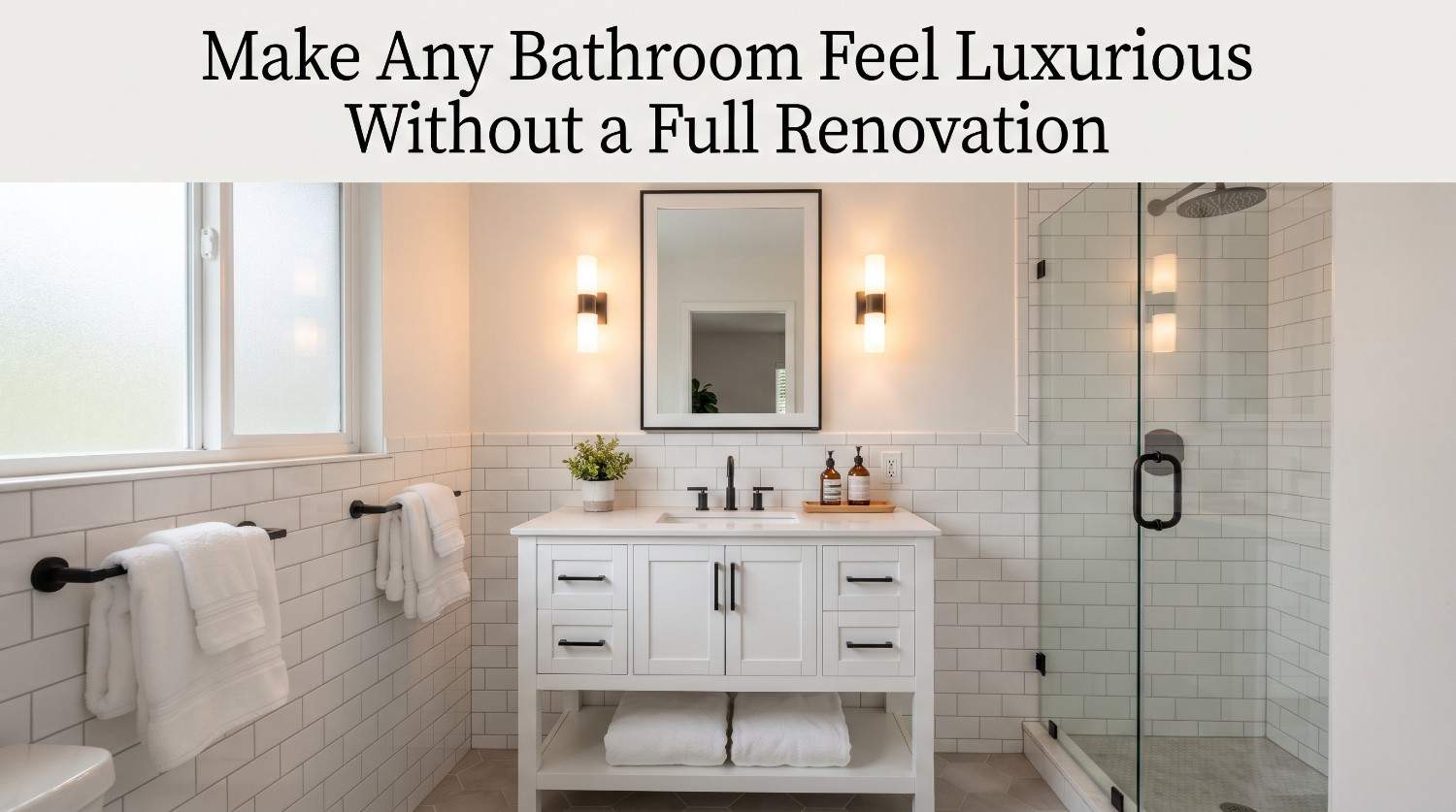
This is not a renovation that works in every home. For a single-bathroom property, removing the only tub is a genuine risk. Families with young children want a tub somewhere, and without one, you're narrowing the field of who will even consider your listing. But in a two-or-more bathroom home where a tub still exists elsewhere, a bathtub converted to walk-in shower in the ensuite rarely hurts value and often lifts it.
What ROI Can You Expect from This Conversion?
A mid-range tub to walk-in shower conversion delivers between 60% and 74% ROI, according to 2025 and 2026 remodeling reports. On a $3,000 project, which is the average cost, homeowners typically recover $1,350 to $2,220 at resale.
Zillow's figures tell a similar story. Walk-in showers return $1.71 for every dollar spent, and homes with one sell for about $1,583 more on average than comparable homes without. That puts a well-done conversion among the better-performing minor bathroom upgrades a homeowner can make before listing.
Upscale conversions using custom tile, relocated plumbing, and luxury fixtures tend to drop to around 45% ROI. The spend goes up, the percentage recovered goes down. Mid-range materials hit the sweet spot: modern, clean, durable, and priced so the numbers still make sense at resale.
Does Removing a Bathtub Hurt Resale Value?
It depends entirely on whether it's the only tub in the house. The National Association of Home Builders found that 72% of first-time buyers consider a bathtub essential or desirable. Without any tub, you risk turning off up to 40% of potential buyers, mostly families, before they've even walked through the door.
What's shifted in recent years is where buyers expect that tub to be. It no longer needs to be in the primary bathroom. Most buyers touring a home in 2026 actually prefer a spacious shower in the primary bath and are happy to have a tub-shower combo in a kids' or guest bathroom. That swap, primary shower and secondary tub, is where the best outcomes tend to come from.
When Does a Bathtub Replacement With Shower Make Financial Sense?
A bathtub replacement with shower makes the most financial sense when your home has two or more bathrooms, the existing tub in the primary bath rarely gets used, and the neighborhood skews toward professionals, couples, or buyers over 40. An outdated tub that looks worn or dated is also a good candidate since it can drag down the visual appeal of an otherwise updated space.
It makes less sense in a single-bathroom home, in neighborhoods with lots of young families, or when you're considering high-end finishes that push the total project cost past $10,000. At that price point, the gap between what you spent and what you recover at sale starts to widen noticeably.
How Much Does a Tub-to-Shower Conversion Cost?
Most homeowners spend between $3,000 and $8,000 for a professionally installed conversion. The lower end, around $1,200 to $3,500, covers prefab acrylic surrounds. The higher end, $7,000 to $15,000, covers custom tile work and frameless glass. For resale purposes, the middle range typically performs best.
For homes under $350,000, a quality prefab build gets the job done without overspending. For higher-value homes, the tile-and-glass approach matches what buyers expect when they open the door to a primary bathroom.
One thing worth noting: always use a licensed contractor. A shower that isn't properly waterproofed can lead to mold and water damage behind the walls, problems that show up at inspection and wipe out any value the renovation was supposed to create.
How Does This Compare to Other Home Improvements for Resale Value?
Bathroom remodels consistently rank among the best-returning home improvements overall. The 2025 Journal of Light Construction Cost vs. Value Report put mid-range bathroom remodels at around 80% ROI, the highest figure since 2007. A tub conversion sits within the minor improvement category, which is where the returns tend to be strongest because you're upgrading one fixture rather than gutting the whole room.
Adding the conversion alongside smaller updates like fresh paint, new cabinet hardware, or an updated vanity mirror can push the total return higher without significantly changing the budget. According to Zillow, minor cosmetic bathroom upgrades return $1.71 per dollar spent across the board, so combining a few targeted updates often makes more sense than one large, expensive project.
Not always. A bathtub replacement with shower adds resale value when the home retains at least one other bathtub elsewhere. If it is the only tub in the home, removing it can reduce buyer appeal, particularly for families with children. In multi-bathroom homes where a tub remains in a secondary bathroom, the conversion in the primary bath typically adds value rather than subtracting from it. According to Zillow, homes with a walk-in shower sell for an average of $1,583 more than comparable homes without one. A mid-range conversion costing around $3,000 typically adds $1,350 to $2,220 in resale value, representing a 60 to 74% ROI depending on materials and installation quality. For primary bathrooms in multi-bathroom homes, converting to a shower is generally the stronger resale choice in 2026. Buyer preferences have moved toward spa-style showers in the master bath, with around 91% of buyers now preferring large showers in the primary bathroom. The caveat is keeping one tub somewhere in the home to avoid limiting your buyer pool. Mid-range conversions deliver the best ROI. That typically means a standard 36 by 60 inch walk-in with a tile surround and a frameless or semi-frameless glass enclosure. Custom work and high-end finishes increase cost without a proportional increase in resale value. For most sellers, functional and modern outperforms expensive and decorative. Yes. A curbless walk-in shower appeals to aging-in-place buyers, people with mobility concerns, and design-conscious buyers who prefer the open spa-like look. The ROI for accessible bathroom conversions averages around 49 to 61%. In markets where buyers skew older or where accessible design is in demand, a curbless build can be a particularly strong choice.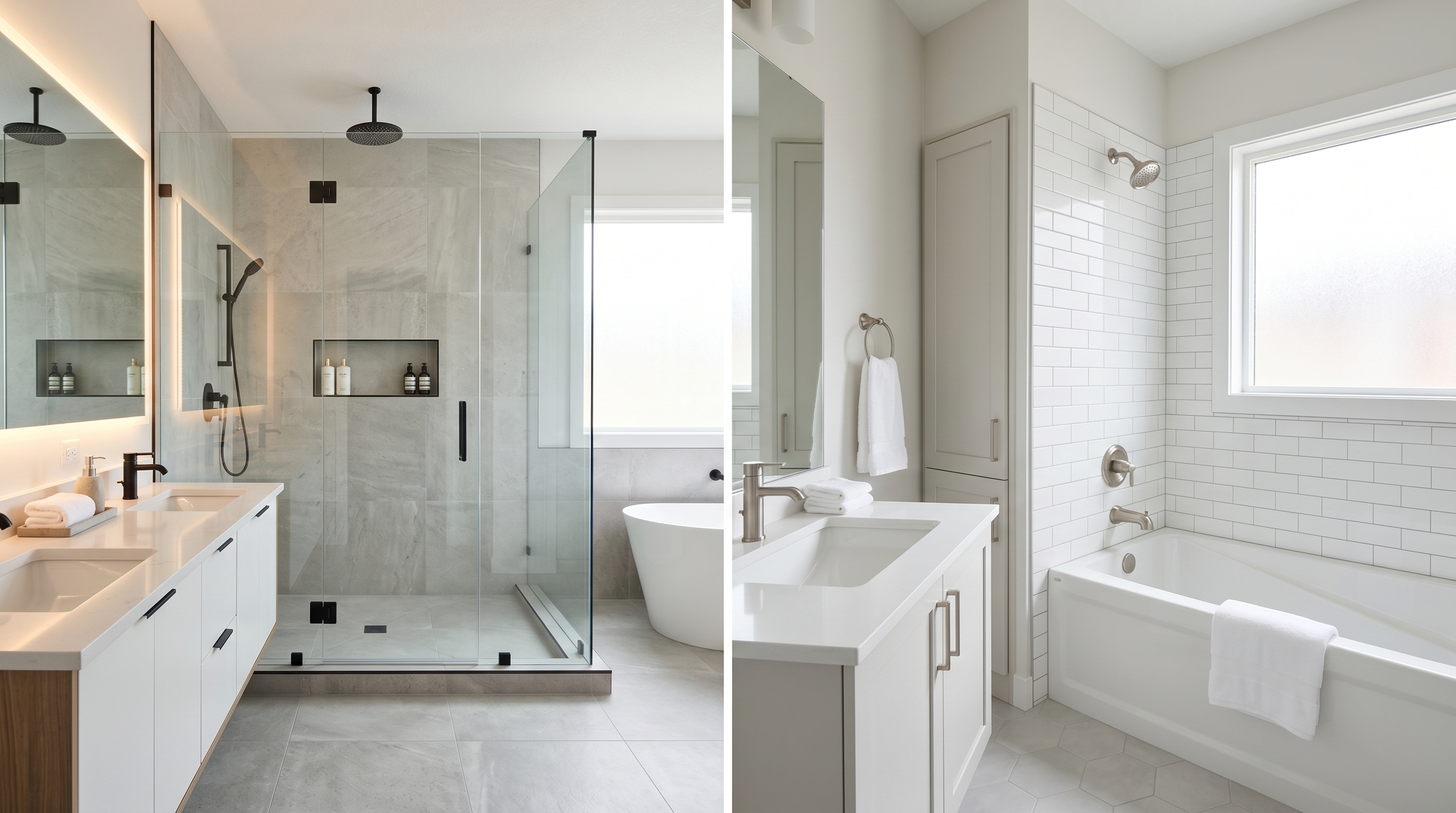
Frequently Asked Questions
Does replacing a bathtub with a walk-in shower always add resale value?
How much value does a walk-in shower add to a home?
Is it better to keep a tub or get a walk-in shower for resale?
What type of walk-in shower gives the best return on investment?
Does a curbless walk-in shower add home value?