
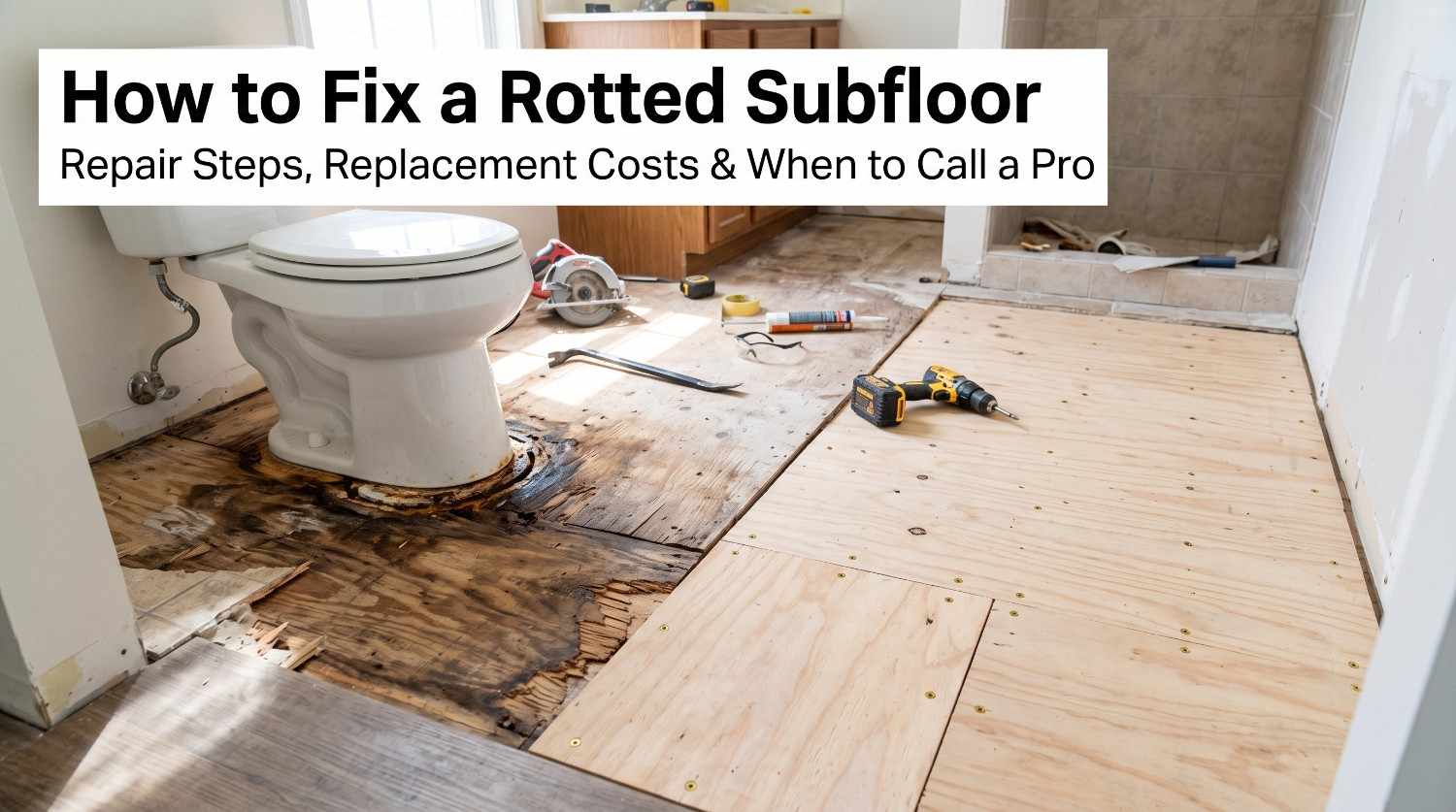
If your bathroom was damaged by a burst pipe, toilet overflow, or water leak, your homeowners insurance may cover the renovation. Most homeowners file too late, skip key documents, or never realize they can upgrade materials while the insurer covers the base repair. Here is what to know before you file. TL;DR Insurance covers bathroom renovation only when sudden accidental damage like a burst pipe or fire forces the repair. Elective upgrades are never covered. Slow leaks are denied under the seepage exclusion. Report moisture the same day you find it. You can legally upgrade materials during a covered repair by paying only the cost difference. You need timestamped photos, a contractor's written assessment, and your policy declaration page before filing. A denied claim is not final. You can appeal through a supplemental claim, a public adjuster, or your state's Department of Insurance. Yes, but only when the renovation results from sudden accidental damage caused by a covered peril such as a burst pipe, toilet overflow, fire, or storm. Planned bathroom renovations, cosmetic upgrades, and wear and tear are never covered. Your insurer's job is to restore what was there before using materials of like kind and quality. They are not required to upgrade anything. However, when a covered loss forces a gut of the bathroom, you can choose better materials and pay only the difference above what the insurer covers. Burst pipes behind walls, under the tub, or inside cabinets Toilet overflows and failed supply lines Accidental bathtub or sink overflow Fire, smoke, or storm damage Mold that grew directly from a covered water event Code upgrade costs in older homes when ordinance or law coverage applies The seepage exclusion is where most bathroom claims fail. If a pipe dripped behind the wall for weeks, adjusters look for staining, warped wood, and rust lines as proof of prolonged damage. Find moisture today, report it today. Step 1: Stop the damage. Shut off the water supply valve and contain the water immediately. Step 2: Document before cleanup. Take timestamped photos of the source and every damaged surface. Do not remove materials until the adjuster has seen them. Step 3: Call your insurer the same day. Give a factual account of what happened. Delay gives the insurer reason to question the timeline. Step 4: Get a contractor assessment first. A written estimate from a licensed contractor carries weight if the insurer's adjuster comes in low. Step 5: Be present at the inspection. Walk the adjuster through the damage. Adjusters miss hidden damage inside walls and under subfloors that a restoration contractor would catch. Step 6: Review the scope of work before accepting. If line items are missing or priced below market, push back or file a supplemental claim. When a covered loss forces a bathroom gut, you can upgrade materials by paying only the gap between what insurance covers and what the upgrade costs. Example: the insurer covers $1,800 for vinyl flooring. You choose porcelain tile at $4,200 total. You pay $2,400. The insurer pays $1,800. You get a tile bathroom at 57% of the normal out-of-pocket cost. Get the insurer's base estimate in writing before ordering upgrades. Keep the insurer's portion and your upgrade portion invoiced separately. Never ask a contractor to fold upgrade costs into the insured scope. That is fraud. Ask for the denial in writing with the exact policy exclusion cited File a supplemental claim if your contractor finds additional hidden damage Hire a public adjuster who works for you and typically charges 10 to 15% of the final payout File a complaint with your state's Department of Insurance Consult a property damage attorney for claims above $10,000 Yes, accidental toilet or tub overflow is covered as a sudden accidental loss. Damage to flooring, walls, the ceiling below, and personal property is included up to your dwelling coverage limit minus your deductible. A toilet slowly seeping for weeks due to a worn flapper is gradual damage and will be denied. Actual Cash Value pays the depreciated worth of damaged materials. Replacement Cost Value pays the full current replacement cost with no depreciation deducted. On a $4,000 floor replacement, ACV might pay $800 while RCV pays the full $4,000 minus your deductible. Check your declaration page to confirm which type you have. For insurance-driven repairs, yes, before anything starts. For planned upgrades, notify your insurer if the project raises your home's replacement value. Failing to update coverage can leave you underinsured after a future loss.Does Homeowners Insurance Cover Bathroom Renovation After Water Damage?
What Bathroom Damage Is Covered?
What Is Not Covered and Why Claims Get Denied
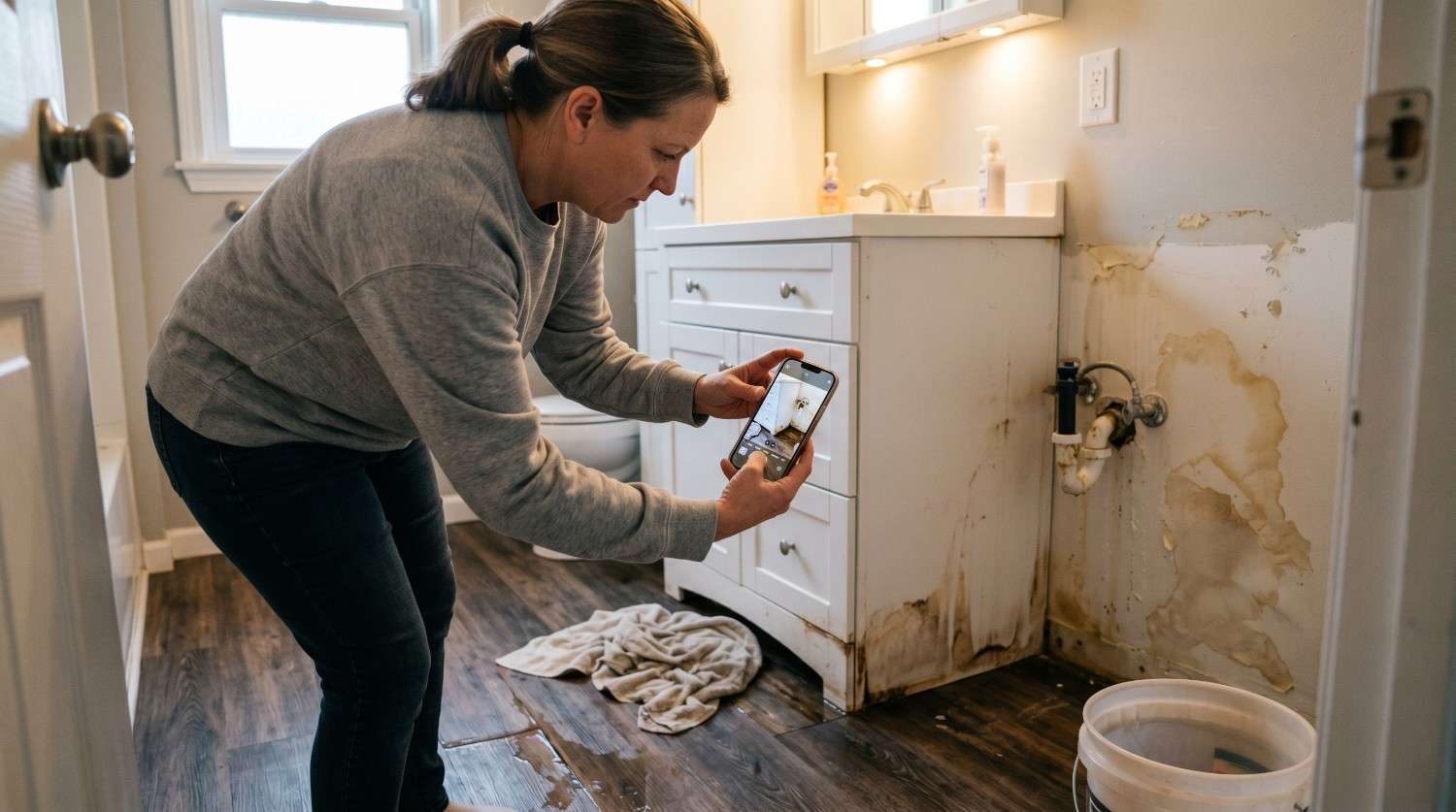
How the Claim Process Works
How to Legally Upgrade During an Insurance Repair
What to Do If Your Claim Is Denied
Frequently Asked Questions
Does insurance cover a flooded bathroom from a toilet overflow?
What is the difference between ACV and RCV?
Do I need to notify my insurer before starting renovation work?
Bathroom Renovation for Insurance Claim Work: What You Need to Know
Learn when homeowners insurance covers bathroom renovation, what gets claims denied, and how to legally upgrade materials during an insurance-covered repair.

Written by Zohaib Ali
More on Nationwide BuildersRead more Home Improvement Tips blogs







Pros
Support