
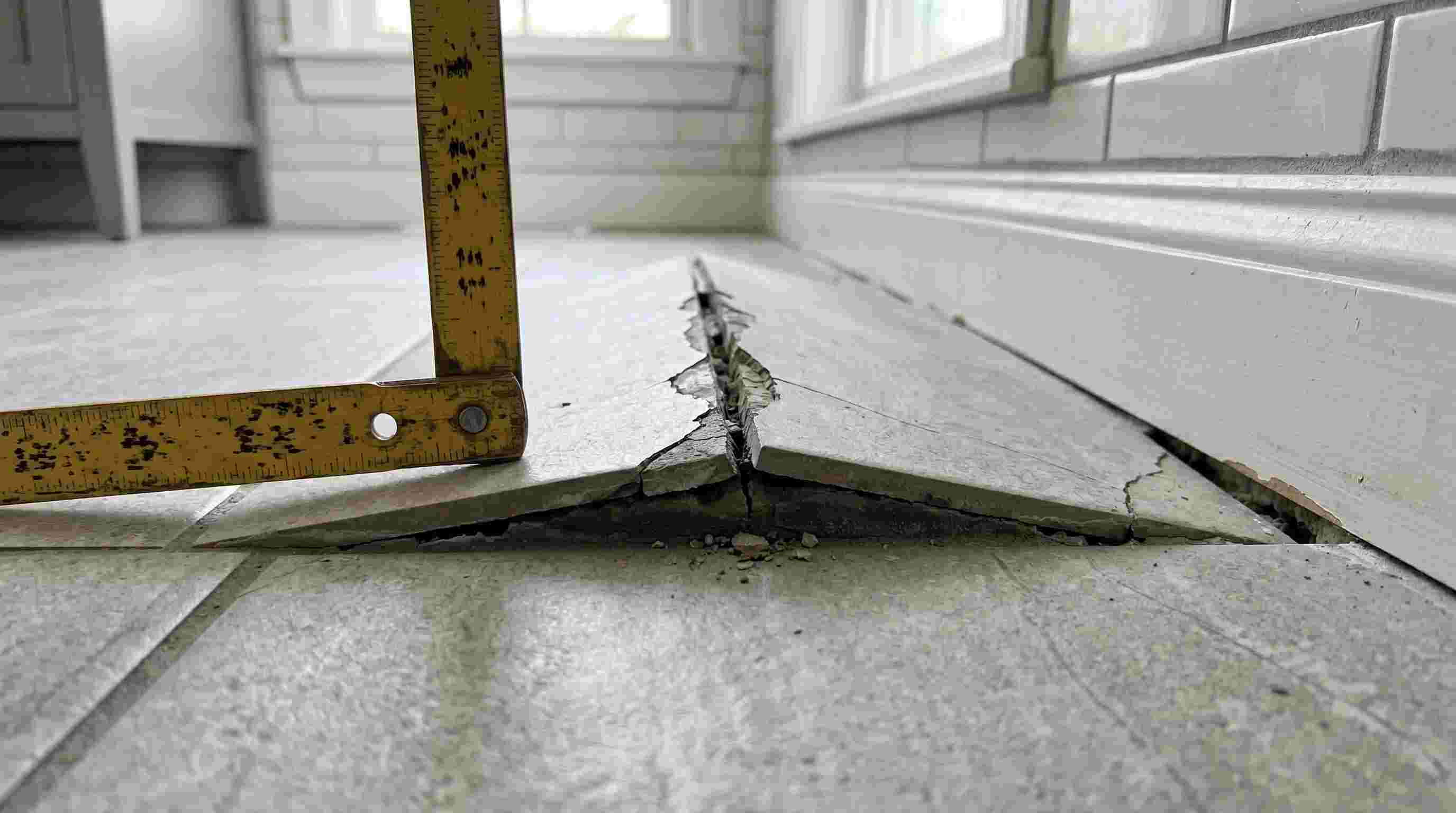
A tile that cracks overnight, with nothing dropped on it, feels random. It rarely is. A "no reason" crack is a symptom, and the cause is almost always sitting just below the surface. Bathroom tiles that crack without impact almost always point to a hidden cause underneath, not a faulty tile. The three usual culprits are subfloor movement, missing expansion joints (tile tenting), and thermal stress. The crack pattern tells you which one: a star-shaped crack is impact, while lines across several tiles signal movement. Replacing the tile without fixing the cause means it cracks again, usually within a year. Hairline glaze cracks (crazing) are cosmetic, but cracks running through the tile body need the root cause addressed. Bathroom tiles crack "for no reason" when stress builds underneath the tile, not on top of it. Tile is rigid and brittle, so any movement below it transfers straight into the tile until it fractures. Subfloor movement is the leading cause. Standards require a subfloor stiff enough to deflect no more than its span divided by 360 under load. Many older bathroom floors fail this, so the floor flexes underfoot and the tile gives way. Compression is the second cause. Without a small gap at the edges, expanding tiles push together until one cracks or lifts. The shape and spread of the crack is the fastest way to diagnose a cracked bathroom tile. Read the pattern, then match it to the likely cause below. A single isolated crack is usually harmless and replaceable. Cracks that repeat, spread, or follow a line mean the substrate is moving. What causes hairline cracks in tiles is usually one of two things: surface crazing in the glaze or early structural stress in the tile body. Crazing is a network of fine lines in the glaze only, caused when glaze and body expand at different rates. It is cosmetic. A hairline crack that runs through the body, and that you can feel with a fingernail, is structural and points back to movement or a weak bond underneath. Why Do Tiles Suddenly Lift or Pop Up? (Tile Tenting) Tile tenting is when two tiles push up at their shared edge into a peak, and it is the classic cause of a floor that cracks "for no reason." It comes from compression with nowhere to go. When a floor has no perimeter expansion gap, heat and moisture make the whole field expand inward. The pressure releases by cracking tiles across the middle or popping them up at a joint. Direct sun, radiant heat, or long runs of dark tile make tenting more likely. Bathroom sink wall tile grout cracking happens where two surfaces meet and move at different speeds, such as where a sink or tub meets the tiled wall. These junctions need flexible caulk, not rigid grout. Grout is hard and brittle, so it cannot absorb the daily movement between a fixture and the wall, and it cracks. The fix is flexible color-matched silicone in every change-of-plane joint, with grout left only between tiles on the same flat surface. Bathroom floor crack repair depends on the cause: cosmetic cracks can be filled, while movement cracks need the substrate fixed first. Repairing the surface alone wastes money if the floor underneath still moves. For a single hairline crack with no movement, a porcelain tile crack repair kit with color-matched epoxy hides it well. A full porcelain tile crack repair on a broken tile means removing it, checking the substrate, and resetting with flexible thin-set. To fix loose tiles in bathroom floors, tap nearby tiles first; a hollow sound means the bond has failed, so those tiles need lifting and resetting, not gluing down. If several tiles crack again after replacement, stop replacing and have the subfloor and expansion joints checked. Nationwide builders Yes, and it usually means stress is building underneath, from a flexing subfloor, missing expansion joints, or thermal movement. The tile itself is rarely at fault. If cracks repeat after a repair, the cause is structural. It depends where they sit. Fine lines only in the glaze are crazing and are cosmetic. A hairline crack you can feel through the tile body is structural and points to movement below. Run a fingernail across it to tell which you have. Yes, if left in a wet area. A crack lets water pass behind the tile, where it can damage the substrate and feed mold. Replacing it promptly stops a small issue becoming an expensive one. Cracks in dry spots are less urgent. It works for shallow cosmetic cracks with no underlying movement, and color-matched epoxy can make a hairline crack nearly invisible. A kit cannot fix a tile that keeps cracking because the floor moves. There, the substrate must be addressed before any filler lasts. Tap across the floor and listen. A hollow sound means the adhesive bond has failed beneath those tiles. One or two can be reset, but a wide hollow area, or tiles that loosen again, signals substrate or moisture problems that need diagnosis first.Why Do Bathroom Tiles Crack With No Impact?
What Does the Crack Pattern Tell You About the Cause?
What Causes Hairline Cracks in Tiles When Nothing Hit Them?
Why Is the Grout Cracking Around My Sink and Wall Tile?
How Do You Repair Cracked or Loose Bathroom Tiles?
Frequently Asked Questions
Can a bathroom tile crack on its own without anything hitting it?
Are hairline cracks in tiles serious?
Will a cracked bathroom tile cause water damage?
Does a porcelain tile crack repair kit actually work?
How do you know if loose tiles mean a bigger problem?
Why Are My Bathroom Tiles Cracking for No Reason?
Tiles that crack with no impact almost always have a hidden cause: substrate movement, missing expansion joints, or thermal stress.

Written by Zohaib Ali
More on Nationwide BuildersRead more Home Improvement Tips blogs







Pros
Support