
Not sure where to start with your bathroom renovation? Many homeowners feel stuck before they even begin. Costs seem unclear. Steps feel confusing. One wrong move can waste time and money.
This guide breaks everything down into simple, clear steps. You’ll learn what to do first, what comes next, and how to avoid mistakes. It also includes a checklist, cost ranges, and timeline so you can plan with confidence.
Bathroom Renovation Steps at a Glance
Before you start, here’s a quick overview of the entire process:
Plan your renovation: set goals and layout
Set a budget: determine costs and allowances
Get permits and prepare: check regulations and order materials
Demolition: remove old fixtures and tiles safely
Plumbing and electrical work: update pipes and wiring
Waterproofing and walls: prevent leaks and mold
Tiles and flooring: install walls and floors correctly
Install fixtures: toilet, sink, shower, and cabinets
Painting and finishing: walls, mirrors, and accessories
Final inspection: test, check, and clean
Step 1: Plan Your Bathroom Renovation
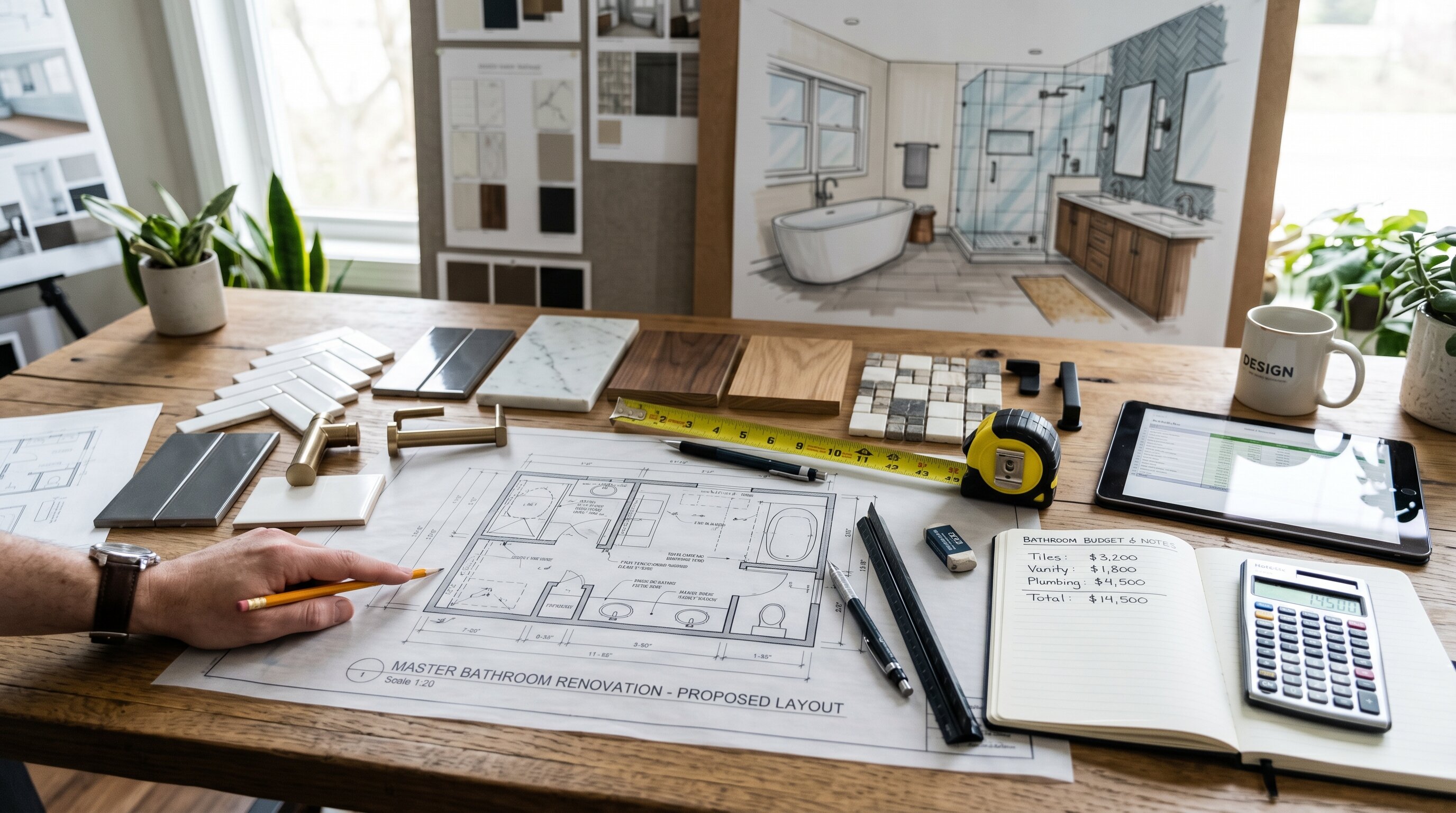
Planning is the foundation of a smooth renovation. Skipping this step leads to delays, mistakes, and extra costs.
What to do first:
Define your goal: Are you upgrading, repairing, or doing a full remodel?
Measure the space: Know exact dimensions before buying materials.
Decide layout: Place toilet, sink, and shower wisely for flow and space efficiency.
Pro tips:
Keep existing plumbing where possible to save money.
Prioritize storage and ventilation in your plan.
Sketch a simple floor plan to visualize changes.
A clear plan now makes every later step easier and less stressful.
Step 2: Set a Budget
Setting a budget early prevents surprises later. Renovations can quickly become expensive if costs aren’t planned.
Typical cost ranges:
Small bathroom: $3,000 – $8,000
Medium bathroom: $8,000 – $15,000
Large or luxury bathroom: $15,000 – $25,000+
Tips to stay on budget:
Add 10–20% extra for unexpected costs.
Factor in both materials and labor.
Stick to your layout if possible; moving plumbing or walls adds cost.
A realistic budget ensures your project stays on track and reduces stress during renovation.
Step 3: Get Permits and Prepare
Before you start demolition or construction, make sure everything is ready.
What to do:
Check local regulations: Some renovations require permits.
Hire a contractor if needed: For plumbing, electrical, or structural work.
Order materials early: Tiles, fixtures, and cabinets can take weeks to arrive.
Pro tip: Delays often come from missing materials or paperwork. Preparing in advance keeps your project on schedule.
Step 4: Demolition
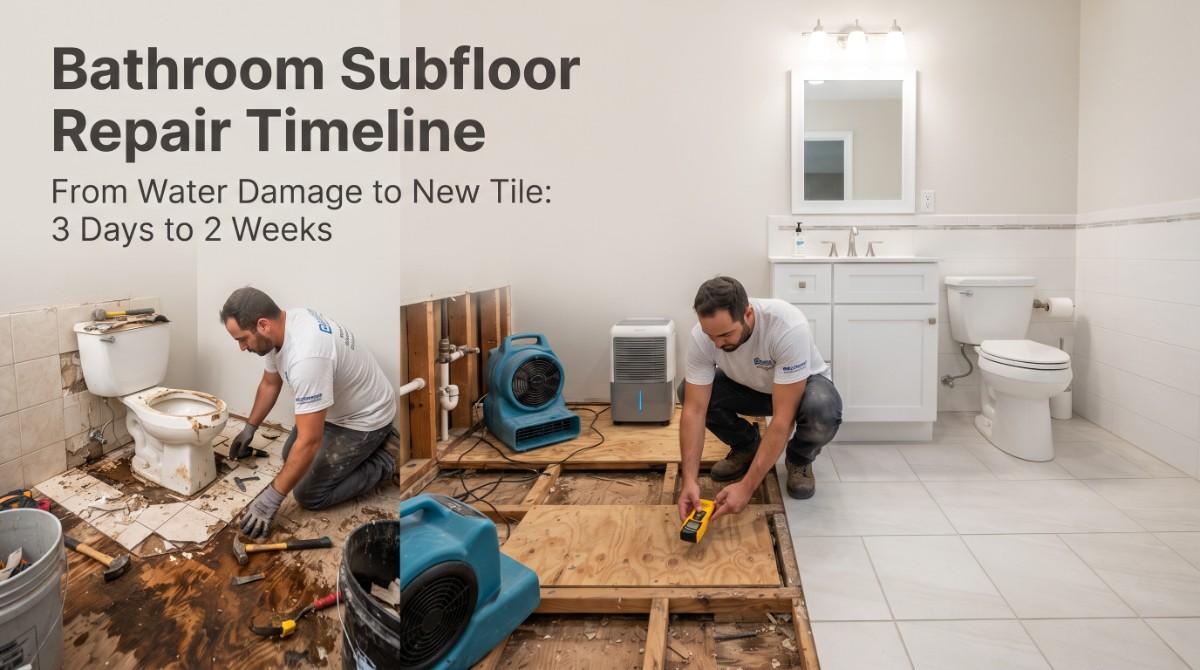
Demolition is the first hands-on step in your renovation. Do it carefully to avoid damage.
What to do:
Turn off utilities: Shut off water and electricity before starting.
Remove old fixtures: Take out the toilet, sink, shower, and cabinets.
Remove tiles and flooring: Break up tiles and take out old flooring carefully.
Check for damage: Look for mold, rot, or leaks behind walls.
Pro tip: Wear safety gear gloves, goggles, and a mask. Proper demolition prevents injuries and protects your plumbing and wiring.
Step 5: Plumbing and Electrical Work
This step is critical to a functional bathroom. Mistakes here are costly later.
What to do:
Update or move pipes: Adjust water supply and drainage if needed.
Install electrical wiring: Add or relocate outlets, switches, and lighting.
Check positioning: Ensure fixtures like sinks, showers, and toilets match the layout.
Pro tip:Make all changes before closing walls. If unsure, hire a professional. Plumbing and electrical work done right prevents leaks, shorts, and future repairs.
Step 6: Waterproofing and Walls
Waterproofing protects your bathroom from leaks and mold. Skipping this step can cause serious damage.
What to do:
Apply waterproof membrane: Cover floors and walls in wet areas.
Seal corners and joints: Use proper sealant to prevent water seepage.
Prepare walls: Repair or replace damaged drywall before tiling or painting.
Pro tip:Never skip waterproofing. Even a small leak can cause long-term structural problems and costly repairs.
Step 7: Tiles and Flooring
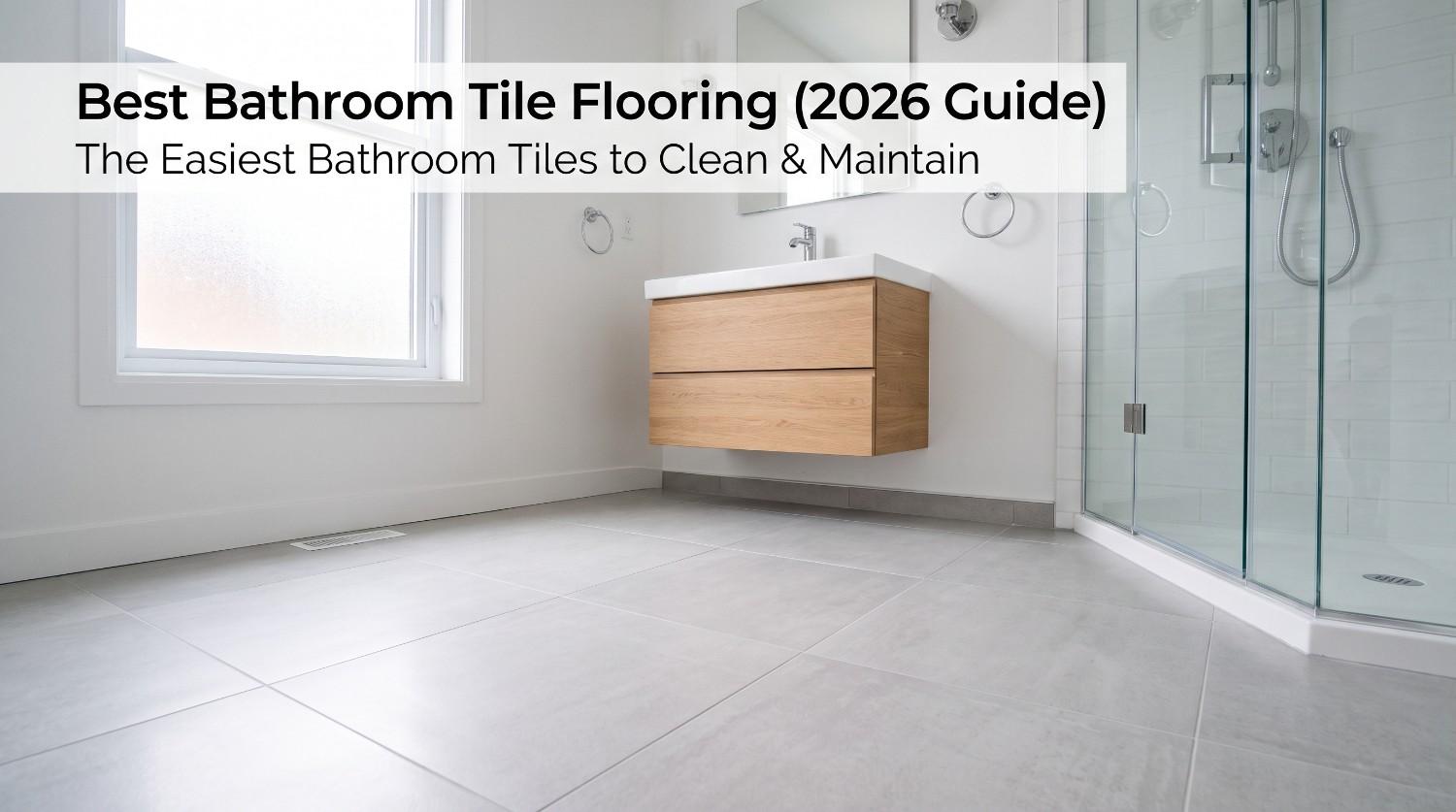
Proper tile and flooring installation ensures durability and prevents water damage.
What to do:
Install wall tiles first: Start from the bottom and work up.
Install floor tiles next: Ensure a slight slope toward the drain for proper water flow.
Check alignment: Make sure tiles are level and gaps are consistent.
Allow proper drying time: Follow manufacturer instructions for adhesive and grout.
Pro tip: Measure twice before cutting tiles. Proper installation now avoids leaks and costly repairs later.
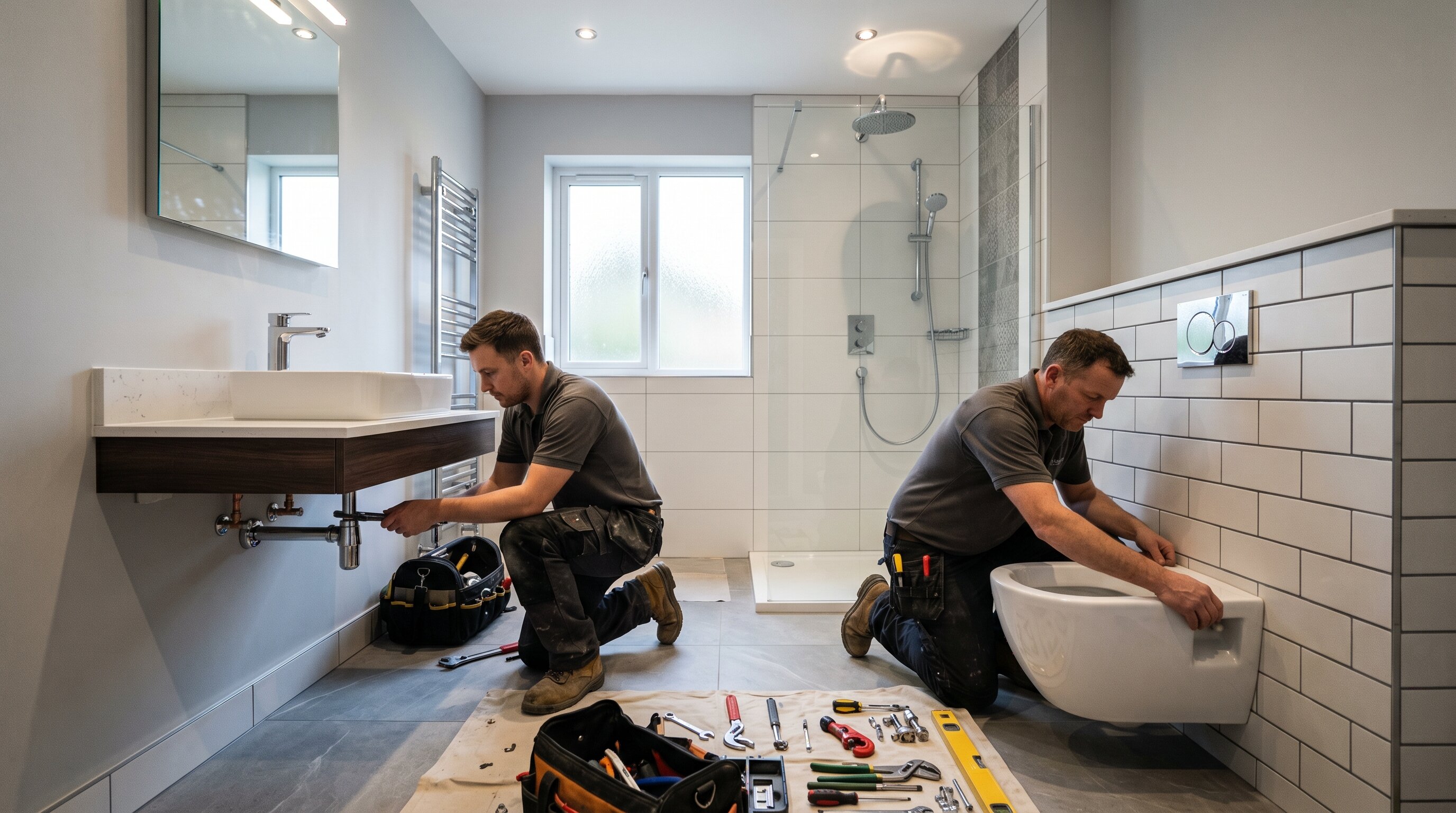
Step 8: Install Fixtures
Installing fixtures brings your bathroom together. Do it carefully to avoid leaks and misalignment.
What to do:
Toilet: Secure it to the flange and test for stability.
Sink or vanity: Connect water supply and drainage properly.
Shower or bathtub: Install and seal edges to prevent leaks.
Cabinets and shelves: Mount securely for safety and functionality.
Pro tip: Always test water connections before finishing. Proper installation prevents future repairs and keeps your bathroom functional.
Step 9: Painting and Finishing
This step completes the look of your bathroom. Focus on durability and aesthetics.
What to do:
Paint walls: Use moisture-resistant paint to prevent mold and peeling.
Install mirrors and lighting: Position for function and style.
Add accessories: Towel racks, soap holders, and shelves.
Pro tip: Let the paint dry completely before using the bathroom. Finishing touches make your renovation look polished and professional.
Step 10: Final Inspection
Before using your bathroom, check everything carefully.
What to do:
Test water flow: Turn on all taps and shower to check pressure.
Check for leaks: Inspect plumbing connections and seals.
Inspect tiles and fixtures: Ensure everything is level and secure.
Clean thoroughly: Remove dust, grout residue, and debris.
Pro tip: Fix small issues immediately. Addressing problems now prevents bigger repairs later.
Bathroom Renovation Checklist
Use this checklist to keep your renovation organized and on track:
- Plan layout and design
- Set a realistic budget
- Get permits and approvals
- Order materials and fixtures
- Complete demolition safely
- Update plumbing and electrical work
- Apply waterproofing on floors and walls
- Install tiles and flooring
- Fit all fixtures (toilet, sink, shower, cabinets)
- Paint walls and add finishing touches
- Conduct a final inspection and clean
Keep this checklist handy during each step. It ensures nothing is overlooked and saves time.
Bathroom Renovation Cost Breakdown
Knowing costs early helps you plan and avoid surprises. Here’s a simple breakdown by bathroom size:
Small bathroom: $3,000 – $8,000
Medium bathroom: $8,000 – $15,000
Large or luxury bathroom: $15,000 – $25,000+
Factors affecting cost:
Material quality (tiles, fixtures, cabinets)
Labor charges (contractor vs DIY)
Layout changes (moving plumbing increases cost)
Stick to your layout and buy materials in advance to control expenses.
How Long Does a Bathroom Renovation Take?
Timing is key to planning a smooth renovation. Typical timelines:
Planning: 2–5 days
Renovation work: 2–4 weeks
Full project: 3–6 weeks
Factors that can cause delays:
Material availability or shipping delays
Unexpected repairs during demolition
Complex plumbing or electrical work
Plan for extra days as a buffer. A well-scheduled renovation reduces stress and avoids rushed mistakes.
Can You Renovate a Bathroom Yourself?
Some tasks can be DIY, but full renovations are more complex.
DIY-friendly tasks:
Painting walls
Replacing small fixtures like towel racks or faucets
Installing simple shelves or cabinets
Tasks better left to professionals:
Plumbing changes
Electrical wiring
Full demolition or structural changes
Pro tip:DIY can save money on small updates, but mistakes on plumbing or electrical work can be costly and dangerous. Know your limits before attempting a full renovation.
Common Bathroom Renovation Mistakes to Avoid
Avoid these mistakes to save time, money, and stress:
Skipping waterproofing: Leads to leaks and mold.
Poor ventilation: Causes humidity problems and damage over time.
Choosing the wrong layout: Can make your bathroom feel cramped or awkward.
Underestimating budget: Unexpected costs can derail your renovation.
Using low-quality materials: Cheaper materials may wear out faster and need replacement.
Plan carefully and prioritize quality over shortcuts. Small mistakes now can become major problems later.
Frequently Asked Questions
What is the first step in a bathroom renovation?
The first step is planning. Decide your goals, measure the space, and sketch a layout. Proper planning saves time and money later.
How much does a bathroom renovation cost?
Costs vary by size and materials:
Small: $3,000 – $8,000
Medium: $8,000 – $15,000
Large or luxury: $15,000 – $25,000+ Labor, materials, and layout changes are the main cost factors.
How long does a bathroom renovation take?
Most renovations take 3–6 weeks. Planning: 2–5 days; work: 2–4 weeks. Delays can occur due to materials or unexpected repairs.
Do I need a permit for bathroom renovation?
Permits depend on local building codes and project scope. Plumbing, electrical, or structural changes usually require approval. Check with your local authority.
Can I renovate a bathroom myself?
Small updates like painting or replacing fixtures can be DIY. Full renovations, especially plumbing or electrical work, are best done by professionals to avoid costly mistakes.
What is the most important step to avoid future problems?
Waterproofing and proper plumbing are critical. Skipping these can cause leaks, mold, and structural damage.
How can I keep my bathroom renovation on budget?
Stick to your layout
Order materials early
Allocate 10–20% extra for unexpected costs
Choose durable, quality materials
Conclusion
A bathroom renovation becomes simple when you follow the right steps. Start with a clear plan. Set a realistic budget. Focus on waterproofing and proper installation. Avoid rushing the process. Each step matters. Done right, your renovation will last for years without problems.