
Choosing between glossy vs matte tiles for bathroom spaces sounds simple until you actually start planning your renovation. Many homeowners researching matte vs glossy tile or debating glossy or matte tiles for bathroom walls only realize the real difference after installation, when they notice slippery floors, constant water spots, or a bathroom that feels either too harshly reflective or too dull and dark.
This decision matters because tile finish is not just about design. It affects safety, cleaning effort, lighting, and how comfortable your bathroom feels every day. The wrong choice can increase maintenance work and even create slip risks in wet areas like showers.
This guide explains glossy tiles for bathroom use and matte tiles for bathroom use in a clear, practical way so you can confidently choose the right finish for each surface in your bathroom, whether it is a large space or a matt or gloss tiles for small bathroom layout where light and safety balance is critical.
Why Bathroom Tile Finish Matters More Than Just Design
Bathroom tiles constantly deal with water, steam, soap, and humidity. Unlike other rooms, the surface finish directly affects performance and safety.
A tile finish influences four major factors in real use:
How slippery the surface becomes when wet
How visible water stains and soap marks are
How much light the bathroom reflects
How often you need to clean the surface
Bathrooms are high-moisture environments, so even small differences in surface texture or reflectivity can change daily experience significantly.
Understanding this is important before comparing glossy vs matte tiles for bathroom areas or deciding between matte vs glossy tile options for different zones like walls and floors.
Glossy vs Matte Tiles: Comparison Table
Glossy Tiles for Bathroom: Benefits, Problems & Best Use Cases
Glossy tiles are smooth, polished tiles that reflect light strongly. This reflection creates a bright and clean appearance that many modern bathrooms use for visual impact, especially in glossy tiles for bathroom wall designs.
Benefits of glossy bathroom tiles
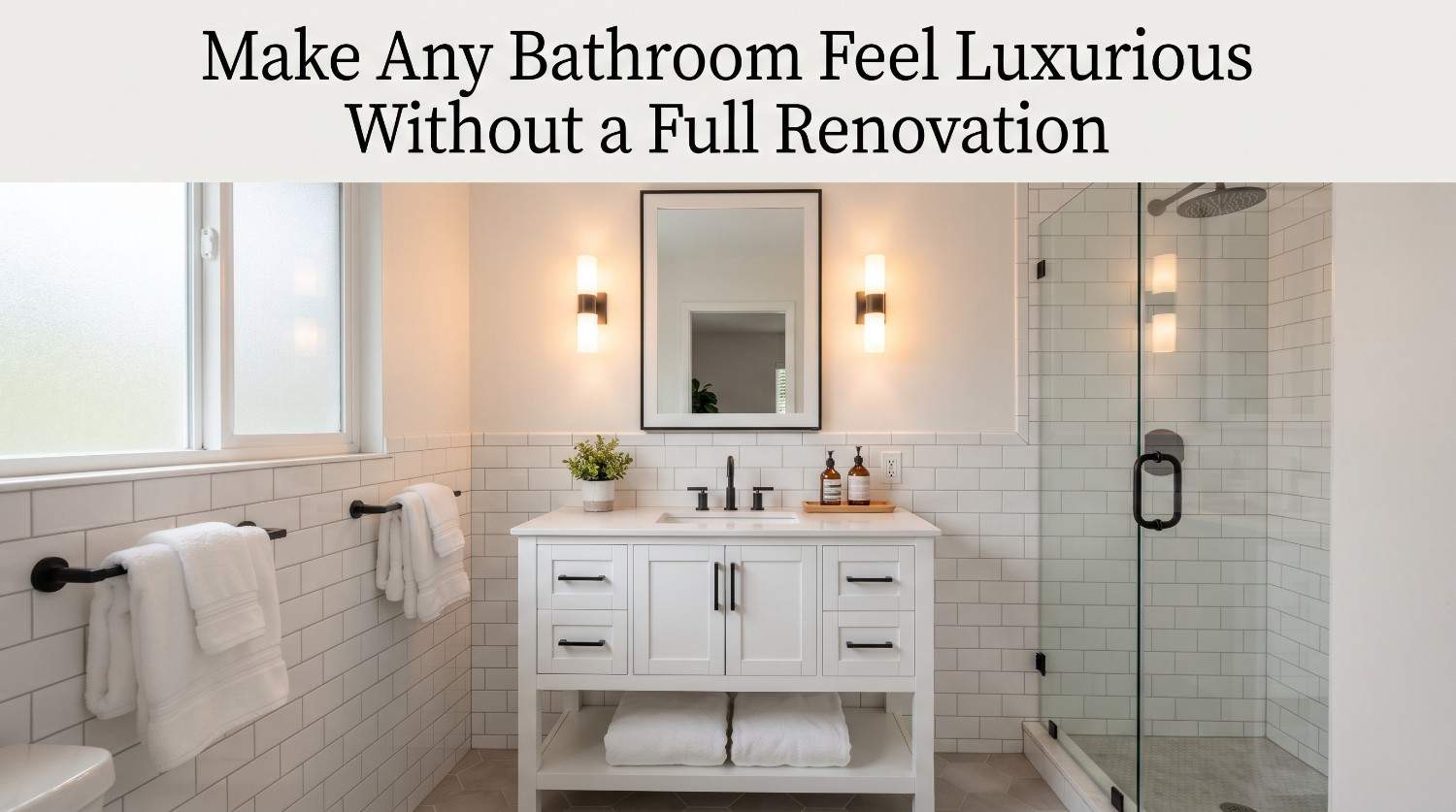
One of the biggest advantages of glossy tiles for bathroom walls is brightness. Because they reflect light, they make small or dark bathrooms feel more open and spacious.
Glossy surfaces are also easier to wipe clean because dirt stays on the surface instead of getting trapped in texture. This makes them visually appealing right after cleaning.From a design perspective, glossy tiles create a polished and modern look that works especially well in contemporary interiors.
Problems with glossy bathroom tiles
The biggest drawback of glossy tiles is slipperiness when wet. When water spreads across the surface, friction decreases, which increases the risk of slipping on bathroom floors.
Another issue is visibility of water spots and soap streaks. Hard water areas especially show marks quickly, which means glossy surfaces often require frequent cleaning to maintain a spotless look.
Best places to use glossy tiles in bathrooms
Glossy tiles work best in areas where safety is not a concern:
Bathroom walls
Vanity backsplash areas
Decorative accent walls
Small bathrooms needing brightness (especially glossy or matte tiles for bathroom walls decisions where glossy wins for light reflection)
They should generally be avoided on shower floors or any walking wet surface.
Matte Tiles for Bathroom: Benefits, Problems & Best Use Cases
Matte tiles have a non-reflective surface with a slightly textured finish. This texture changes how light and water behave on the surface.
Benefits of matte bathroom tiles
The main advantage of matte tiles is slip resistance. The texture increases friction, which makes them safer for wet areas like shower floors and bathroom floors.
Matte tiles also hide water spots, soap marks, and dust better than glossy tiles. This reduces the frequency of visible cleaning. Another benefit is visual comfort. Matte finishes reduce glare from lights, creating a softer and more relaxing bathroom environment.
Problems with matte bathroom tiles
Matte tiles do not reflect much light, which can make small or poorly lit bathrooms feel slightly darker. However, this is often balanced in matt or gloss tiles for small bathroom planning by using lighter colors or glossy walls. They may also require more effort during deep cleaning because dirt can settle into surface texture, especially in high-traffic bathrooms.
Best places to use matte tiles in bathrooms
Matte tiles are ideal for:
Shower floors
High-moisture zones
Homes where safety is a priority
Glossy vs Matte Tiles for Bathroom Walls
Bathroom walls are mostly dry surfaces, which means design and lighting matter more than slip resistance.
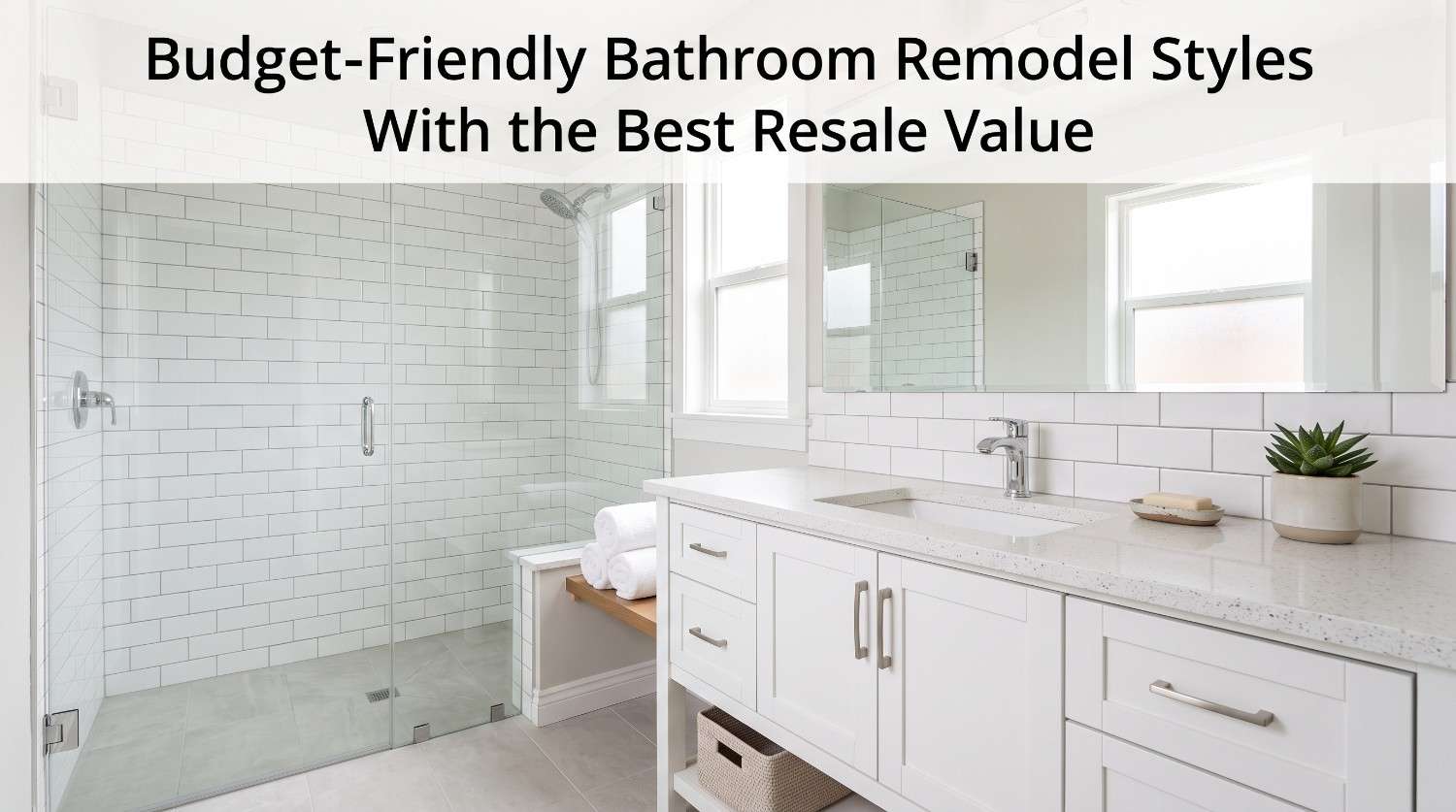
Glossy tiles are often preferred for bathroom walls because they reflect light and make the room feel brighter. This is especially useful in small bathrooms or spaces without natural sunlight. This is why many users specifically search glossy or matte tiles for bathroom walls when designing their interiors. Matte tiles on walls create a softer and more natural look. They reduce glare and give bathrooms a calm, spa-like appearance.
Simple wall selection rule:
Choose glossy tiles if you want brightness and space illusion
Choose matte tiles if you want soft, modern aesthetics
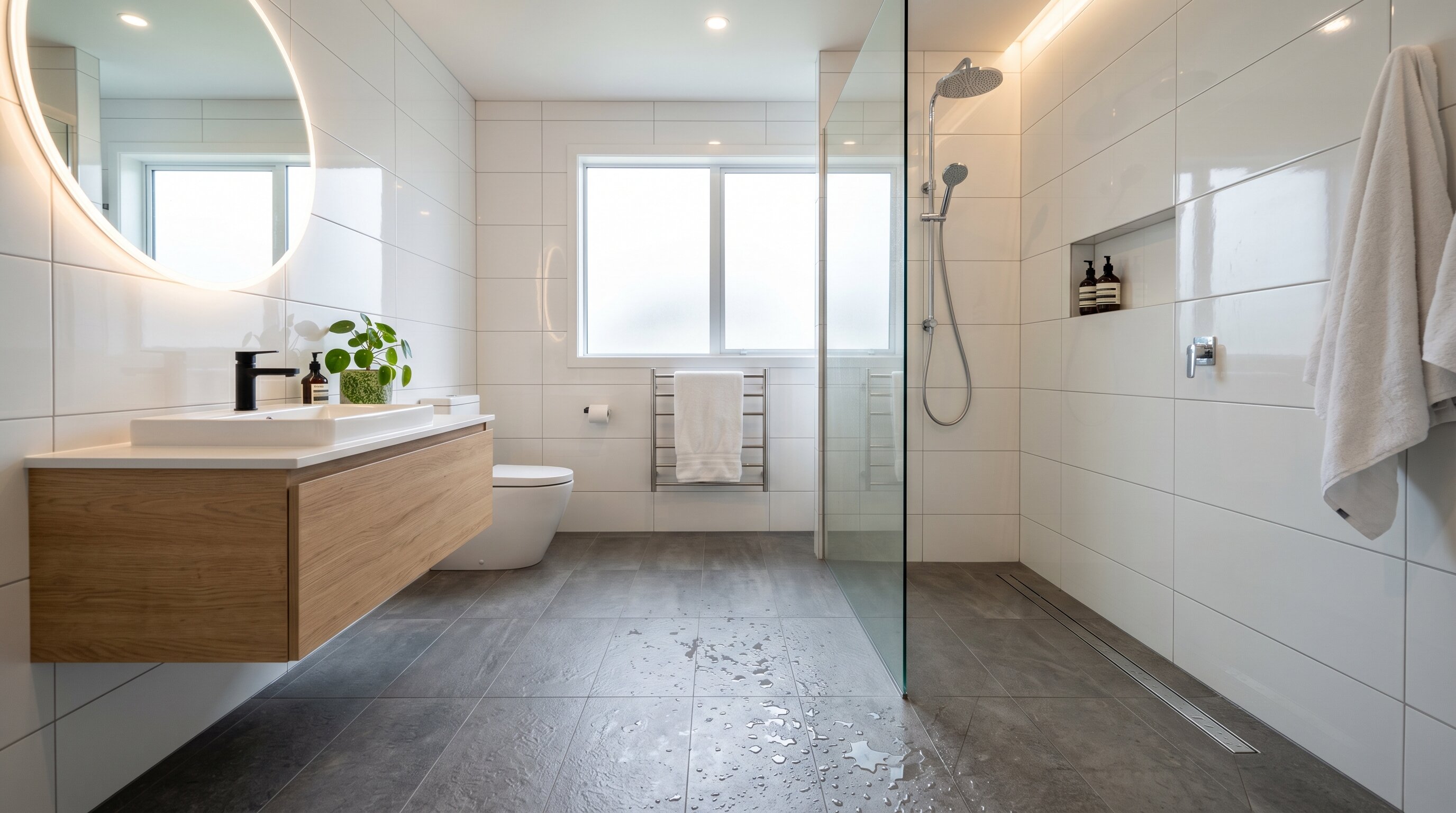
Is Matte or Glossy Tile Better for Shower Areas?
The shower is the most critical area when choosing tile finish because it is constantly exposed to water and soap. In wet conditions, surface grip becomes the most important factor. Matte tiles perform better in showers because their texture increases friction, which reduces slip risk.
Glossy tiles become extremely slippery when wet, especially when soap or shampoo is present. For this reason, they are not recommended for shower floors. However, glossy tiles can still be used safely on shower walls where slip risk does not exist. They can improve brightness inside enclosed shower spaces.
Shower selection rule:
Shower floor → matte tiles only
Shower walls → matte or glossy depending on design preference
Glossy vs Matte Tiles for Small Bathroom Spaces
Small bathrooms require careful design because light and reflection strongly affect how large the space feels. This is especially true when choosing matt or gloss tiles for small bathroom layouts.
Glossy tiles are often used in small bathrooms because they reflect light and create a visual illusion of more space. This makes compact bathrooms feel brighter and more open.
Matte tiles absorb more light, which can make very small bathrooms feel slightly enclosed if used on all surfaces.
However, matte floors are still important for safety, even in small spaces.
Small bathroom rule:
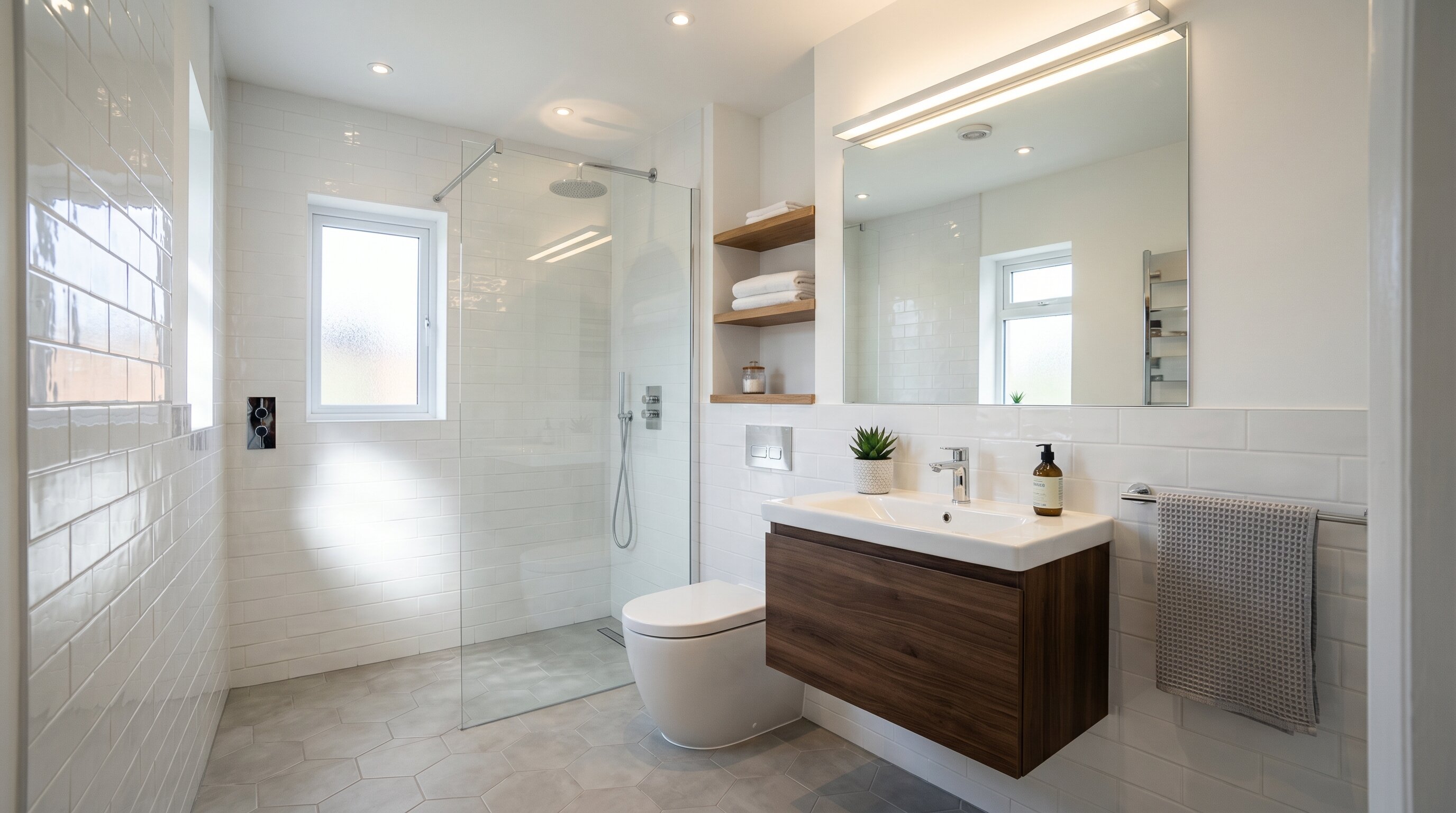
Use glossy tiles on walls for brightness
Use matte tiles on floors for safety
Cleaning and Maintenance: Real Long-Term Difference
One of the most important differences between glossy and matte tiles appears over time, not immediately after installation.
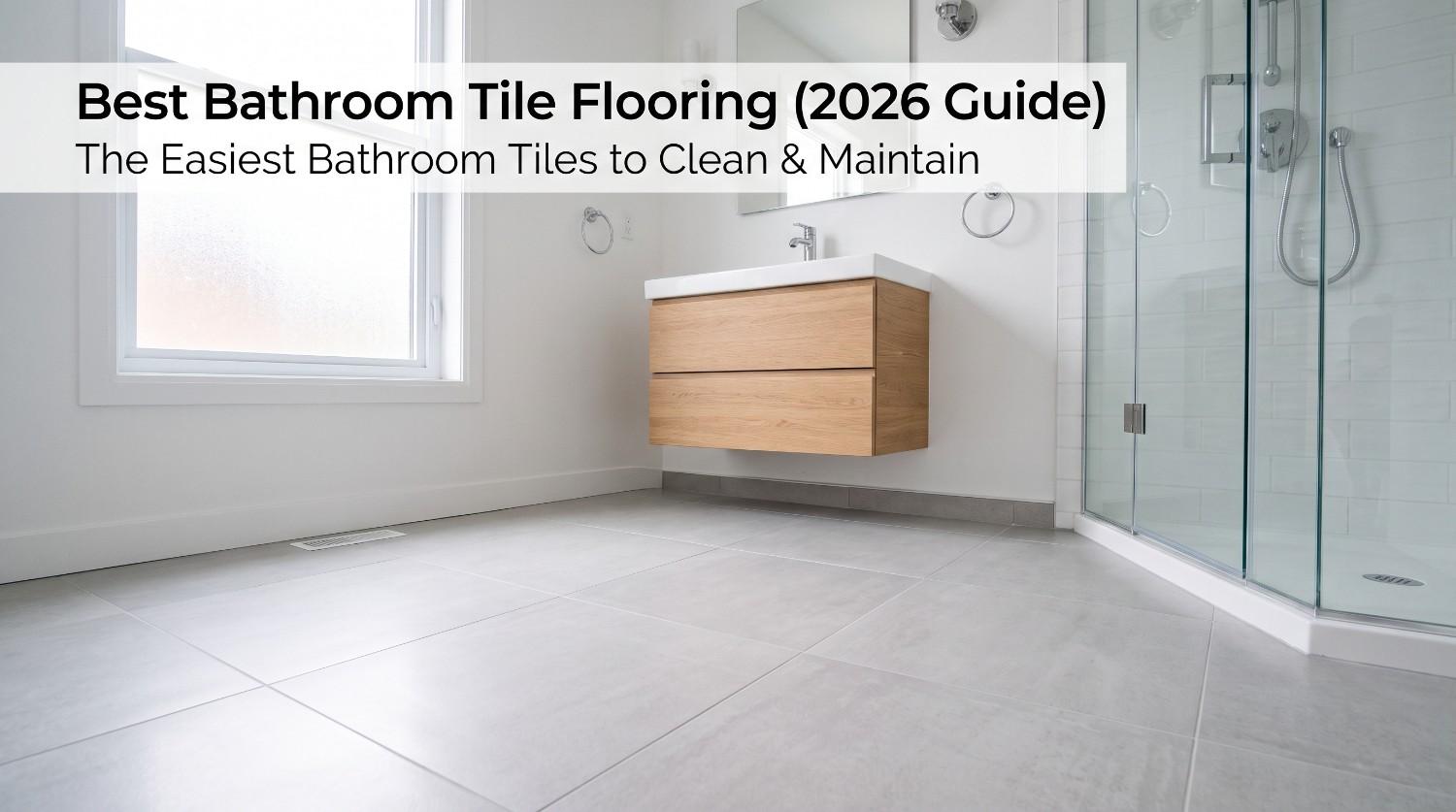
Glossy tiles show water spots, fingerprints, and soap streaks more easily. This is especially noticeable in bathrooms with hard water. However, they are easy to wipe clean because dirt does not stick strongly to the smooth surface.
Matte tiles hide dirt and water marks better, which helps bathrooms look cleaner for longer periods. The trade-off is that textured surfaces may require deeper cleaning occasionally to remove buildup.
Long-term cleaning comparison:
Glossy tiles → easy cleaning but frequent wiping needed
Matte tiles → less visible dirt but occasional deep cleaning
IF–THEN Decision Guide (Simple Selection System)
To remove confusion completely, use this practical decision logic:
If bathroom is small → use glossy tiles on walls
If safety is priority → use matte tiles on floors and shower
If shower area → always choose matte tiles
If maintenance should be minimal → choose matte tiles
If brightness is priority → choose glossy tiles
If modern spa design is desired → combine matte with soft lighting
Glossy vs Matte Tiles: Which One Should You Actually Choose?
There is no universal winner in the matte vs glossy tile debate. Each finish performs differently depending on where it is used.
Glossy tiles are best when you need brightness, visual expansion, and easy surface cleaning. They work well on bathroom walls and decorative areas.
Matte tiles are best when you need safety, grip, and lower maintenance visibility. They are ideal for floors and shower areas.
The most effective bathroom designs do not choose one finish. They combine both strategically based on function.
Final practical recommendation:
Glossy → walls and visual areas
Matte → floors and wet zones
This combination creates a bathroom that is both safe and visually optimized for long-term use.
Frequently Asked Questions
Are glossy tiles good for bathroom floors?
Glossy tiles are generally not recommended for bathroom floors because they become slippery when wet. Water and soap reduce surface friction, which increases slip risk in high-moisture areas like bathrooms. They are better suited for walls where safety is not an issue.
Do matte tiles make a bathroom look darker?
Yes, matte tiles can absorb more light compared to glossy tiles, which may make very small or poorly lit bathrooms feel slightly darker. However, this can be balanced with proper lighting and lighter color tones. Matte finishes are still preferred in wet areas because they improve safety and reduce glare.
Which tile is easier to clean, glossy or matte?
Glossy tiles are easier to wipe clean because their smooth surface does not trap dirt or stains easily. However, they show water spots and fingerprints more clearly. Matte tiles hide marks better but may require deeper cleaning if dirt settles into the texture over time.
What is the best tile for a small bathroom?
Glossy tiles are usually better for small bathrooms because they reflect light and make the space feel larger and brighter. Matte tiles can still be used on floors for safety, but glossy finishes on walls help improve visual space perception.
Can I mix glossy and matte tiles in one bathroom?
Yes, combining both finishes is a common and practical design approach. Glossy tiles are typically used on walls for brightness, while matte tiles are used on floors and shower areas for slip resistance. This combination balances safety and aesthetics effectively.
Conslusion
The decision between glossy and matte tiles is not about which one is better overall. It is about where each finish performs best inside a bathroom environment. Bathrooms are divided into different functional zones, and each zone has different needs. Once you match tile finish to function glossy for light and matte for safety, you eliminate most design mistakes homeowners commonly make. A well-planned combination gives you a bathroom that is brighter, safer, easier to maintain, and more comfortable to use every day.