
Why do so many bathroom remodels end in regret even after a big budget and good design plans? Because most mistakes don’t happen during construction. They happen during decisions made too early when layout, materials, and systems are not fully understood.
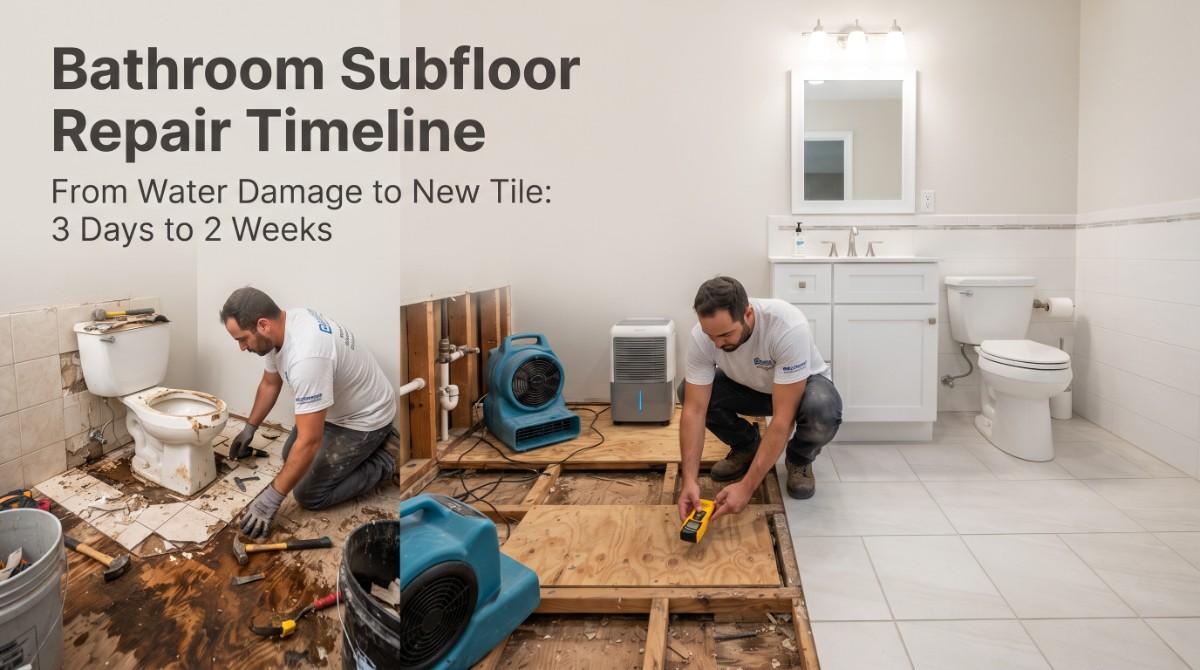
Bathroom remodeling mistakes are expensive because bathrooms are “system-heavy” spaces. Plumbing, waterproofing, ventilation, and electrical work all sit behind walls and under floors. When one decision is wrong, the damage is often hidden until it becomes costly to fix.
This guide explains the most common bathroom remodeling mistakes, why they happen, what they lead to, and how to avoid them with practical logic rather than guesswork.
Why Bathroom Remodeling Mistakes Are So Expensive
A bathroom is one of the only rooms in a home where water is constantly controlled inside a sealed structure.
That means:
Small leaks can become structural damage
Poor airflow can create long-term mold growth
Incorrect installation can damage multiple systems at once
Unlike cosmetic upgrades, bathroom mistakes often affect hidden infrastructure. That is why repair costs are usually much higher than the original installation cost.
1. Underestimating the Total Bathroom Remodel Cost
One of the most common bathroom remodeling mistakes is budgeting only for visible items like tiles and fixtures.
In reality, a full bathroom remodel also includes:
plumbing adjustments
waterproofing layers
labor coordination
unexpected wall or floor repairs
When the budget is too tight, the project often slows down or forces cheaper material choices. That usually reduces durability and increases long-term maintenance cost.
2. Starting Without a Clear Bathroom Layout Plan
A bathroom layout is not just about where things fit. It determines how the space functions every day.
A poor layout usually leads to:
blocked movement paths
awkward door or drawer access
wasted empty corners
Once plumbing is installed, changing layout becomes expensive. That is why layout must be finalized before construction starts, not during it.
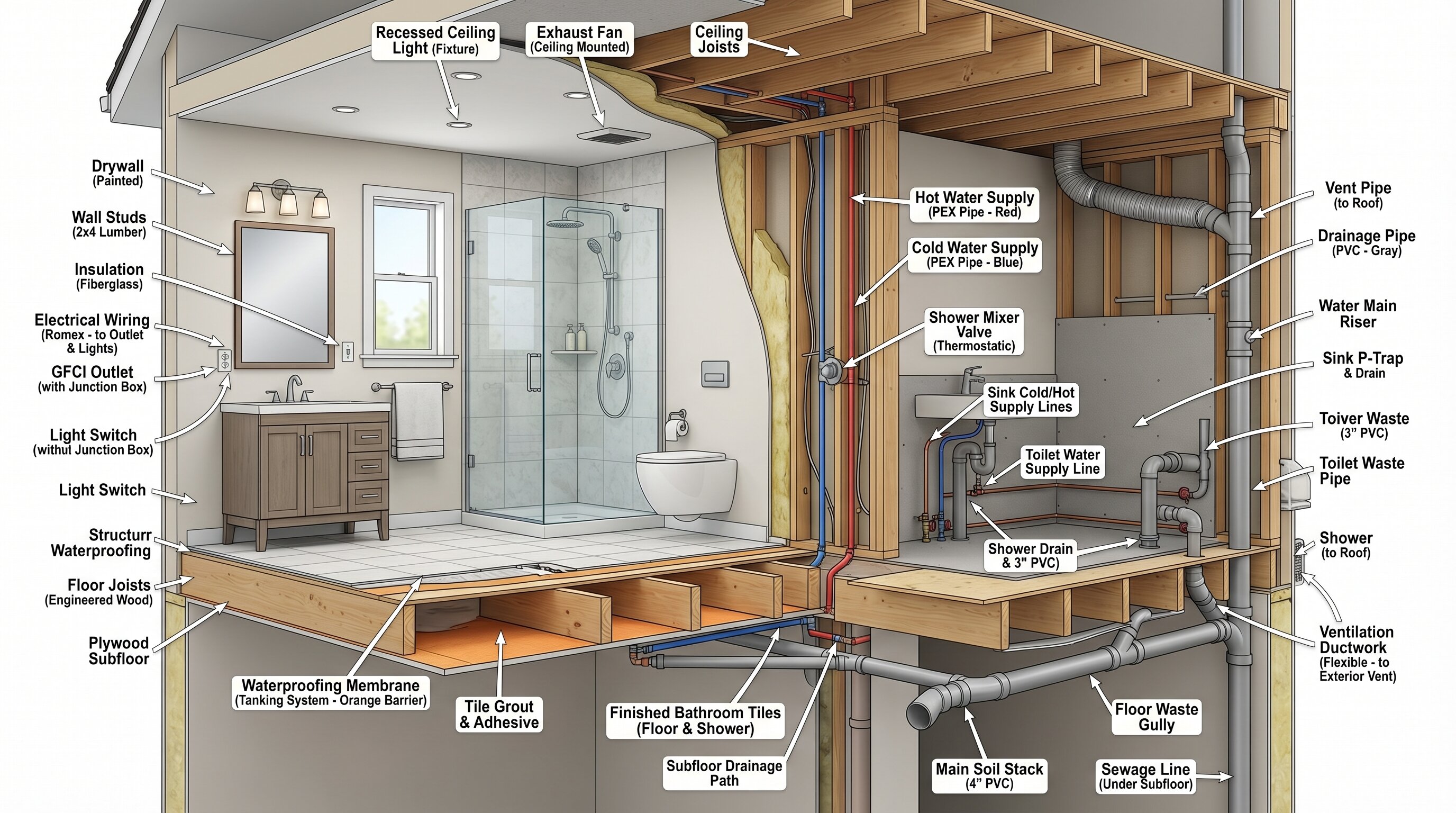
3. Ignoring Bathroom Ventilation Requirements
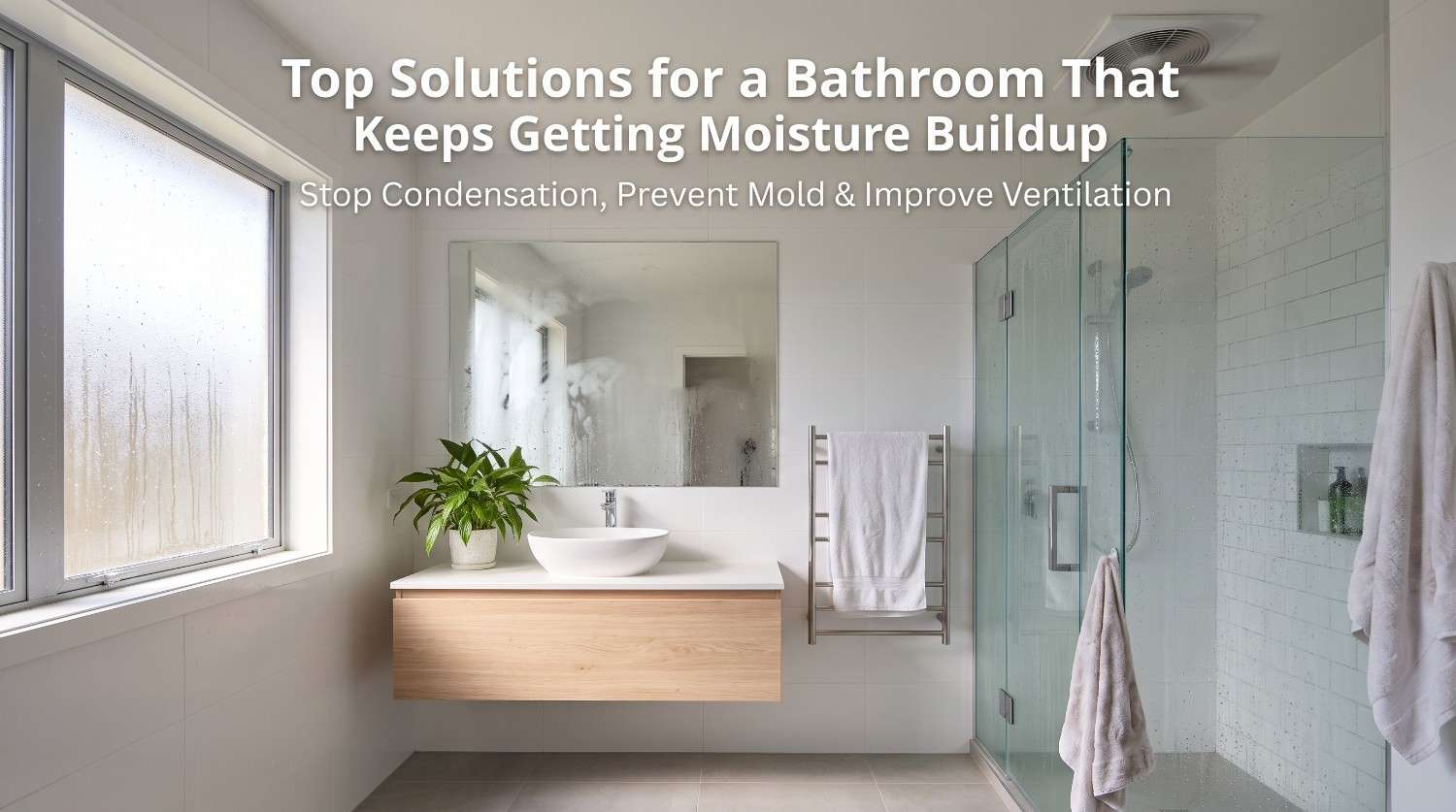
Bathrooms naturally produce moisture from showers and sinks. If that moisture has no proper exit path, it builds up inside the room.
Poor ventilation leads to:
humidity trapped in walls
paint and ceiling damage
long-term mold growth
Even a well-designed bathroom fails if airflow is not planned correctly. An exhaust fan or ventilation system is not optional in most modern bathrooms.
4. Choosing Design Before Function
Many remodeling problems start when design decisions are made based only on appearance.
For example:
glossy tiles chosen only for looks
minimal storage chosen for style
complex layouts chosen for visual appeal
But bathrooms are used daily in wet conditions. A good design must first work safely and practically before focusing on aesthetics.
5. Poor Lighting Planning
Lighting is often treated as a finishing detail, but it directly affects usability.A single ceiling light creates shadows near mirrors and sinks. This makes daily tasks like shaving or makeup difficult.
A functional bathroom lighting system should support:
general visibility
task areas like mirrors
soft ambient balance
Without layered lighting, even a well-built bathroom feels uncomfortable to use.
6. Overdesigning a Small Bathroom
Small bathroom remodeling mistakes usually come from trying to add too many features in limited space.
This creates:
restricted movement
visual clutter
reduced comfort
Small bathrooms work better when space is treated as a priority over decoration. Every fixture should justify its presence through function.
7. Skipping Proper Waterproofing
Waterproofing is one of the most important systems in a bathroom, but also one of the most commonly rushed.
If waterproofing is weak or incomplete:
water seeps into walls
tiles loosen over time
hidden mold develops
The problem is that waterproofing failure is rarely visible immediately. It usually appears months later when damage is already expensive to fix.
8. Incorrect Drainage Slope
A bathroom floor must be slightly angled so water flows toward the drain.
If the slope is wrong:
water pools on the floor
surfaces stay wet longer
tile joints weaken over time
This is not just a comfort issue. Standing water increases long-term structural wear and safety risks.
9. Hidden Plumbing Installation Errors
Plumbing mistakes are dangerous because they are often invisible after walls are closed.
Common issues include:
poorly sealed joints
incorrect pipe alignment
weak pressure connections
These problems can lead to slow leaks that damage walls and floors without immediate warning.
10. Choosing the Wrong Floor Tiles
Bathroom flooring is exposed to water constantly, so surface choice affects safety.
Highly polished tiles can become slippery when wet. This increases the risk of accidents, especially in family bathrooms.
Floor tiles should balance:
slip resistance
durability
easy maintenance
Function should always come before appearance for flooring.
11. Using High-Maintenance Materials
Some bathroom materials look attractive but require constant upkeep.
Examples include:
porous natural stone without sealing
grout-heavy designs
surfaces that show water stains easily
Over time, maintenance effort becomes a daily frustration rather than an occasional task.
12. Poor Grout and Sealant Selection
Grout and sealant protect the small gaps between tiles from moisture.
When low-quality materials are used:
water enters tile joints
mold forms in hidden areas
tiles loosen prematurely
These are small materials, but they have a major impact on bathroom lifespan.
13. Hiring the Wrong Contractor
A bathroom remodel depends heavily on technical execution. Even a good design fails with poor installation.
Unqualified contractors can cause:
uneven tile installation
plumbing leaks
delayed timelines
compliance issues
Experience in bathroom-specific work is more important than general renovation experience.
14. Skipping Final Inspection
Many homeowners consider the project finished when it looks complete, but hidden issues often remain.
Without inspection, problems like:
slow leaks
ventilation failure
electrical risks
can go unnoticed until they become expensive repairs.
A proper inspection ensures systems work correctly before closing the project.
15. DIY Plumbing or Electrical Work
Bathrooms combine water and electricity in close proximity, which makes technical accuracy essential.
DIY work can lead to:
leak risks
electrical hazards
building code violations
Professional installation is not just about quality. It is about safety and long-term reliability.
Cost Impact of Bathroom Remodeling Mistakes
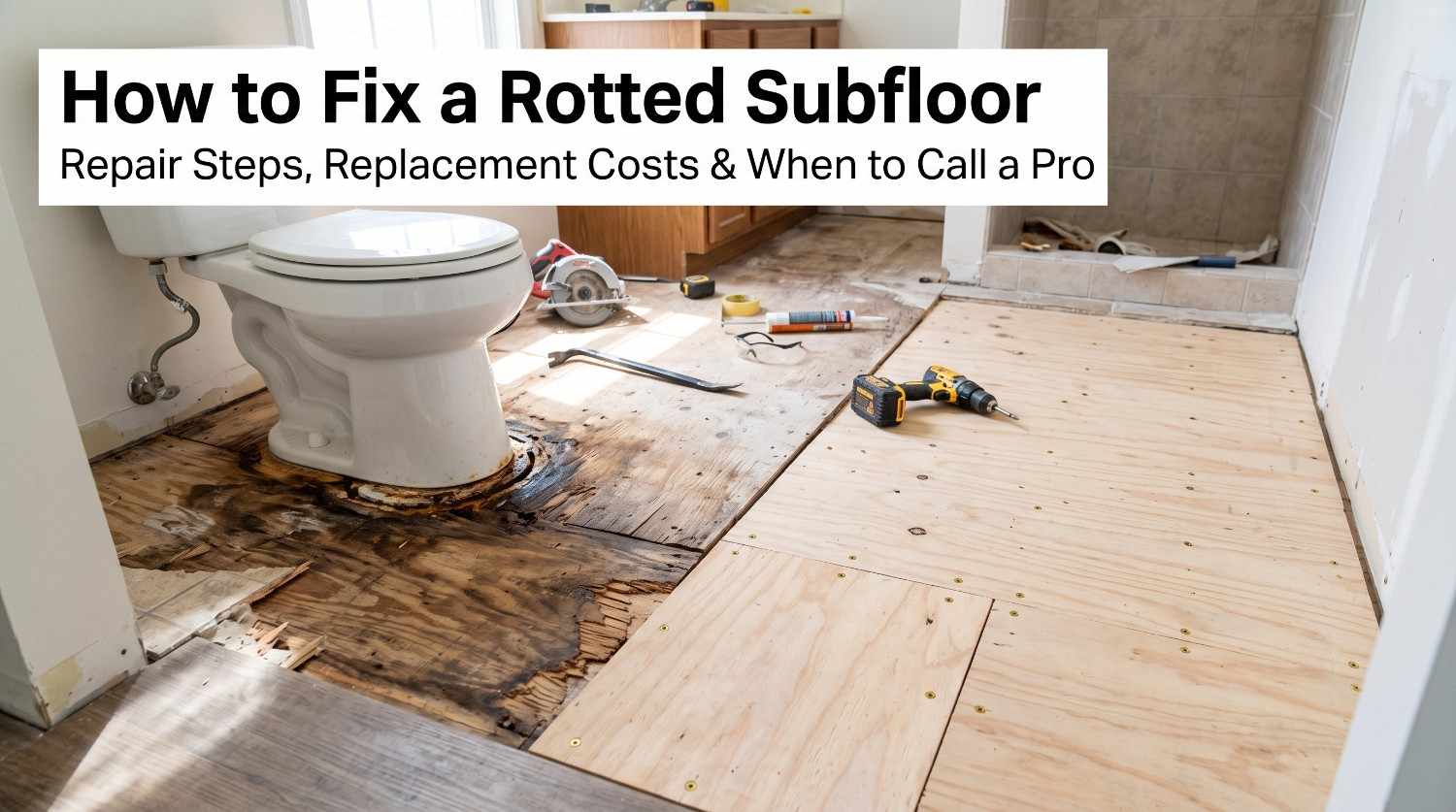
Bathroom mistakes are expensive because repair work usually requires reopening finished surfaces.
Typical cost consequences include:
waterproofing failure → major wall or floor repair
plumbing leaks → structural damage inside walls
tile failure → full surface replacement
ventilation issues → mold remediation and repainting
In most cases, prevention costs significantly less than correction.
Bathroom Decision Guide
This logic helps prevent most renovation errors:
If the bathroom is small → avoid bulky fixtures
If there is no window → install proper ventilation
If water exposure is high → prioritize waterproof materials
If budget is limited → avoid layout changes
If safety is important → use slip-resistant flooring
These decisions reduce risk before construction begins.
How to Avoid Bathroom Remodeling Mistakes
A successful bathroom remodel is based on planning, not guessing.
To reduce risk:
finalize layout before construction starts
prioritize waterproofing and plumbing quality
choose materials based on function, not only appearance
ensure proper ventilation design
hire experienced bathroom contractors
When these steps are followed, most common renovation failures can be avoided.
Final Takeaway
Bathroom remodeling mistakes are not just design issues. They are system failures that affect water control, safety, and long-term durability. Most problems occur because decisions are made without understanding how plumbing, waterproofing, and ventilation work together. A well-designed bathroom is not the most stylish one. It is the one where every system works correctly and consistently over time.If planning is done correctly, most costly mistakes never happen at all.