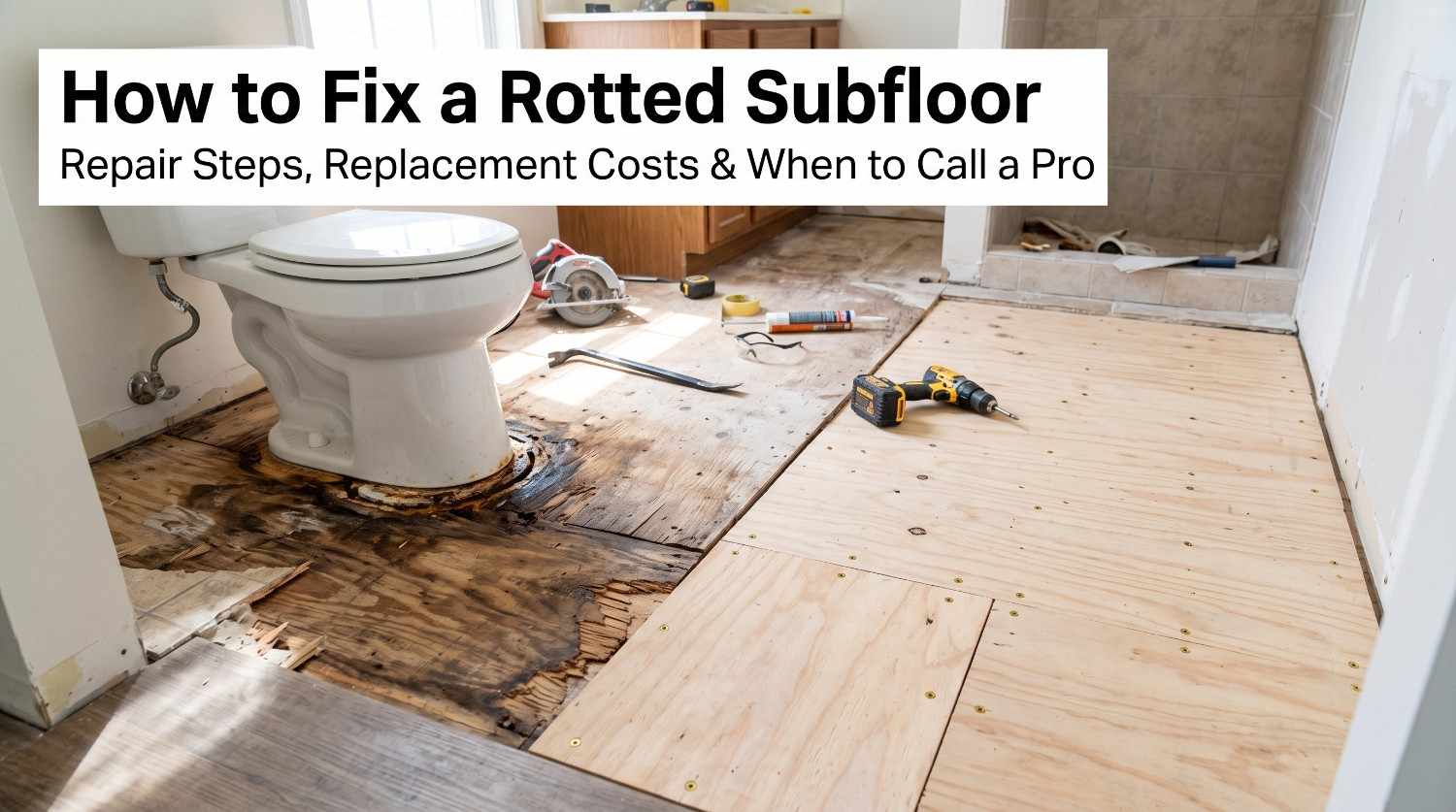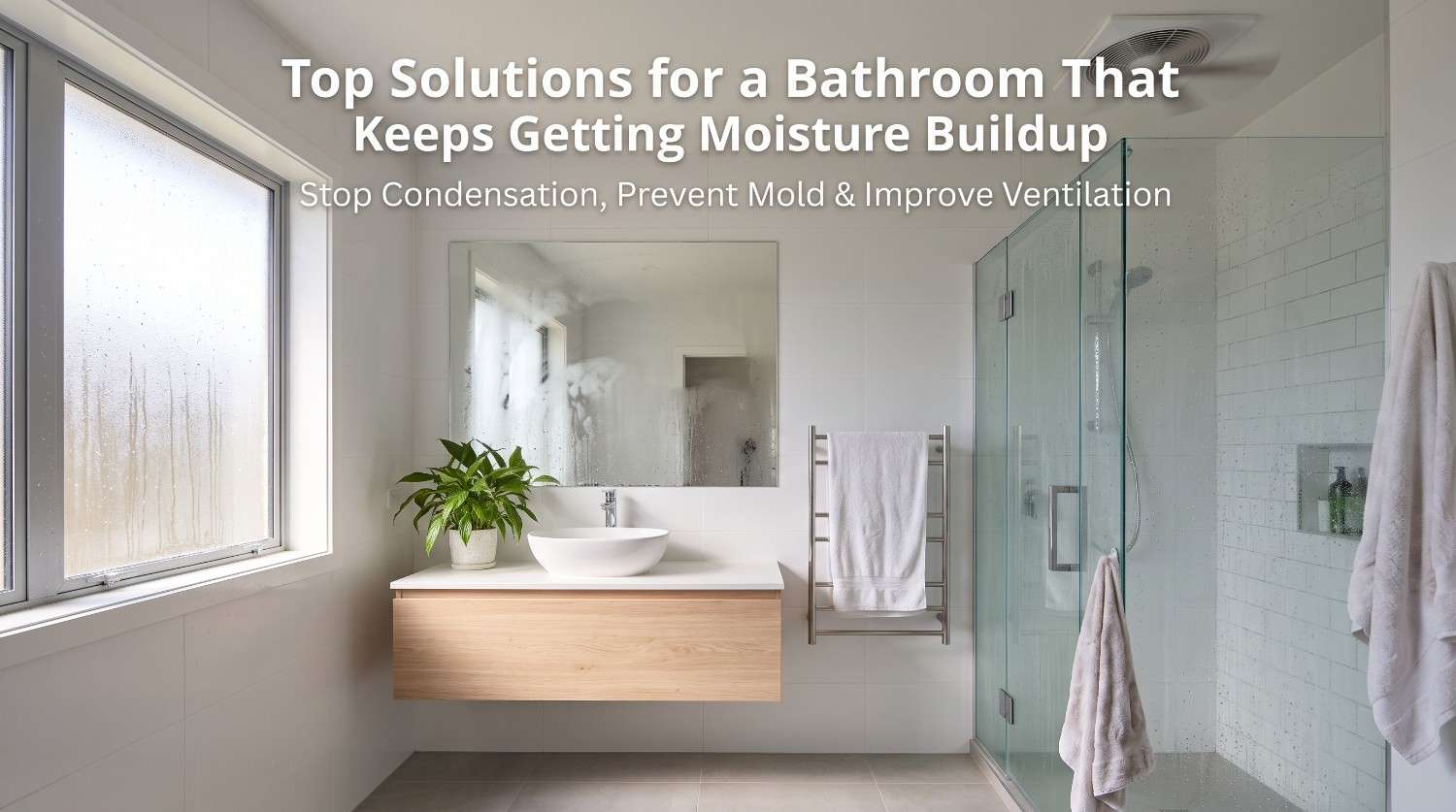

A waterproofing membrane is a barrier layer of water-tight material applied to walls, floors, roofs, or foundations to stop water from penetrating a structure. It differs from damp-proofing, which only slows moisture movement. A true waterproof membrane resists hydrostatic pressure, the push of groundwater against your foundation. Choose the wrong product and the water finds a way in. Choose well and the system can last decades.
What Is a Waterproofing Membrane?
Water destroys structures slowly. It enters through cracks, seeps through porous concrete, and builds pressure behind walls. Left alone, it leads to mold, compromised foundations, and expensive repairs.
A waterproofing membrane breaks that cycle at the source. Installed on the building surface exterior foundation, flat roof, basement floor, or shower wall it creates a physical seal that liquid water cannot cross. The membrane works with drainage systems, not instead of them. A membrane without a drainage path is one reason homeowners end up paying twice for the same leak.
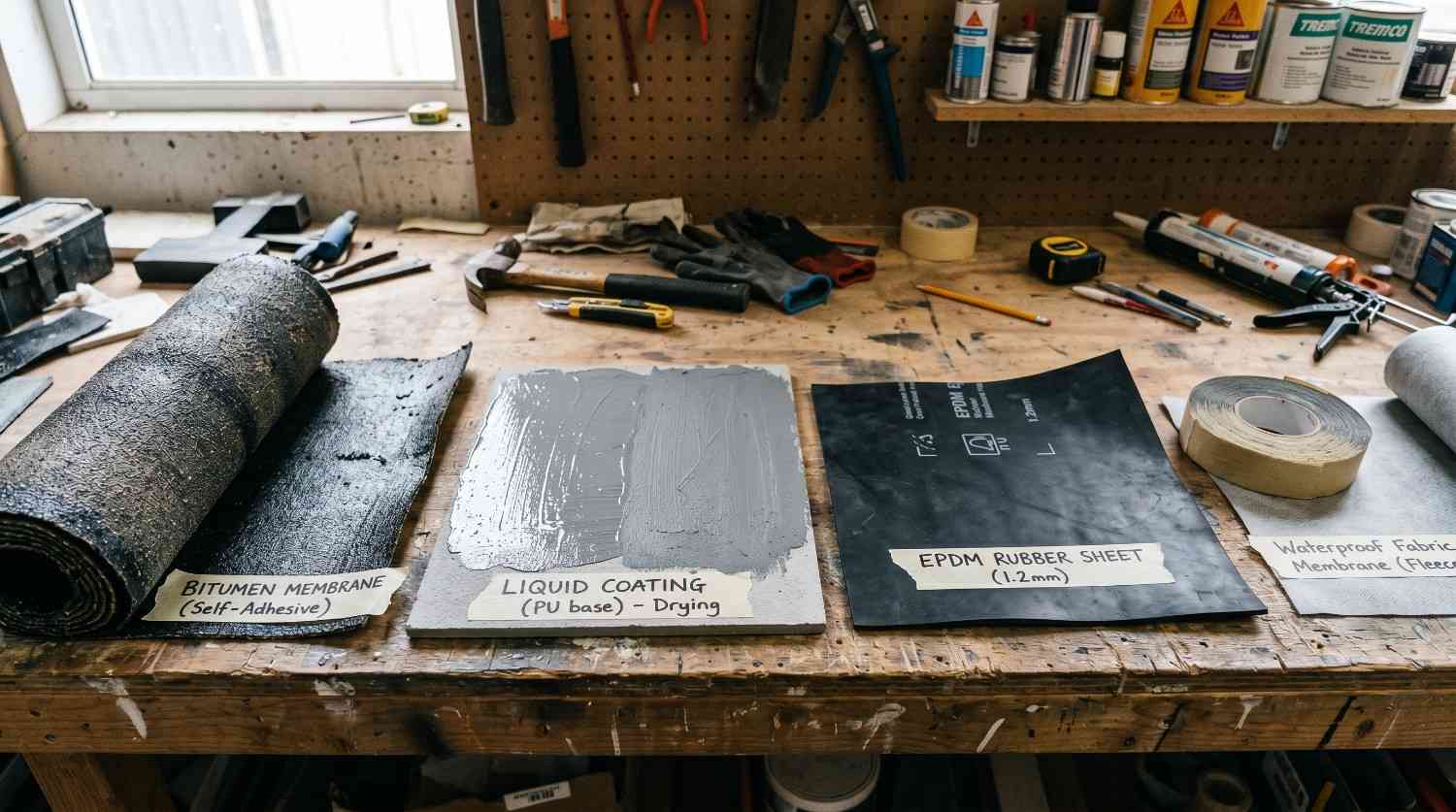
The two fundamental forms are sheet membranes (pre-formed rolls) and liquid-applied membranes (brush, roller, or spray). Everything else EPDM, TPO, PVC, bitumen, polyurethane, cementitious falls under one of these two families.
Sheet vs. Liquid-Applied: The Two Main Families
Understanding these two families makes every product decision simpler.
Sheet Membranes
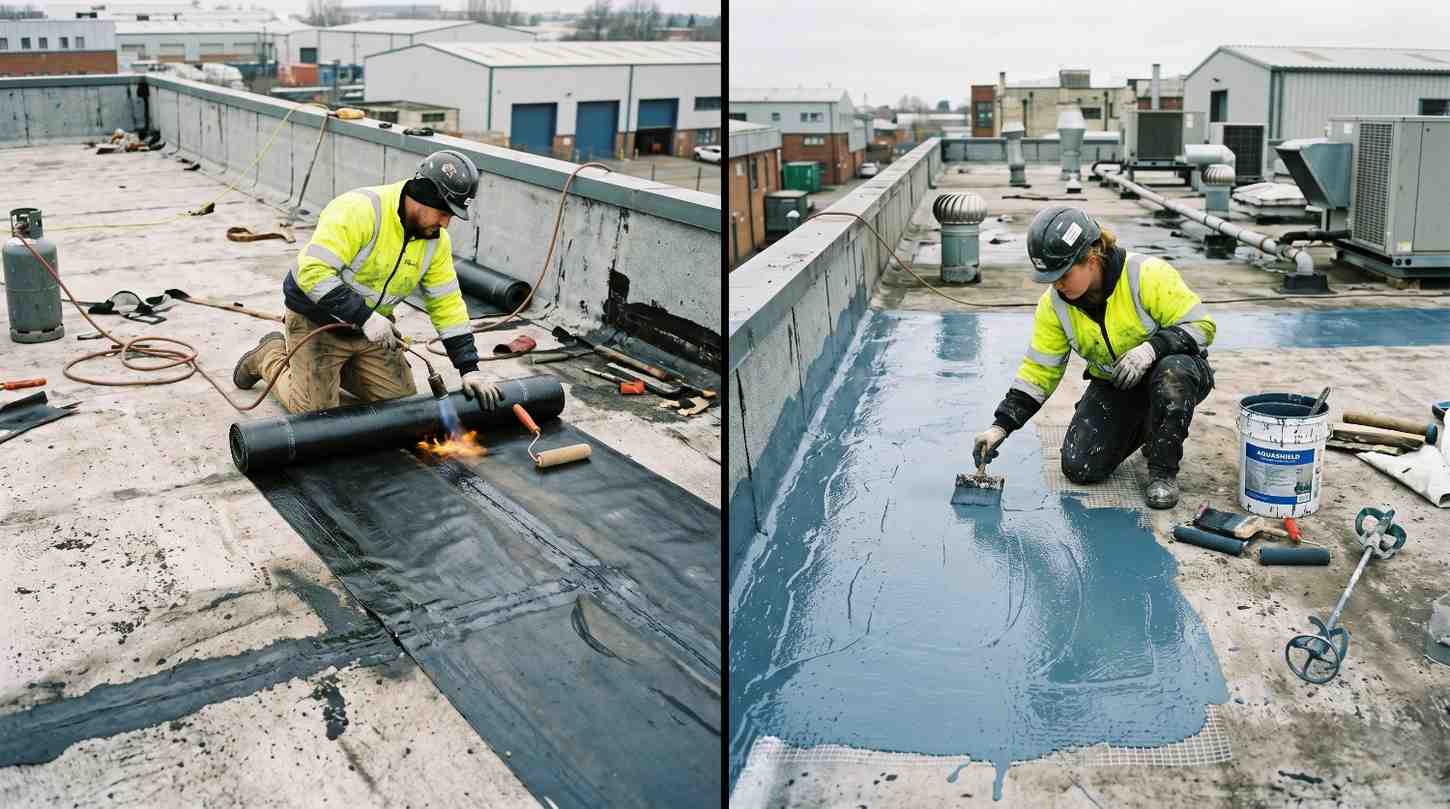
Sheet membranes arrive as rolls and are laid or bonded onto the substrate. They offer consistent thickness and strong puncture resistance. The trade-off: seams. Every overlap between sheets is a potential failure point. Proper seam sealing tape, adhesive, or heat welding is where installation quality determines performance.
Most flat roof leaks don't originate in the open field of the membrane. They start at seams, corners, and penetrations like drains or pipes. A well-seamed sheet membrane outlasts one applied carelessly, regardless of material quality. Sheet membranes include EPDM, TPO, PVC, and modified bitumen. Each has a specific best application.
Liquid-Applied Membranes
Liquid membranes go on wet and cure into a seamless, flexible elastomeric coating. No seams means fewer failure points. They conform naturally to complex shapes corners, irregular surfaces, pipe penetrations where sheet membranes require cutting and detailing.
One significant advantage: fluid-applied systems can reduce labor costs by up to 60% on large or geometrically complex surfaces. The trade-off is that thickness control during application is critical. Too thin in spots and the membrane underperforms. Surface preparation matters just as much adhesion fails on dirty or damp substrates.
Liquid types include polyurethane, cementitious coatings, and acrylic systems.
Types of Waterproofing Membrane Explained
EPDM is synthetic rubber fully UV stable, flexible in extreme cold, and comfortable with permanently ponded water. It is the standard choice for residential flat roofs and green roofs. Seams use adhesive bonding, which is the weakest point if not executed correctly.
TPO arrived in the 1990s. White or light-colored sheets reflect heat and reduce cooling loads, making TPO the most popular choice on commercial low-slope roofs today. Seams are heat-welded, which creates a bond stronger than the membrane itself. Earlier US formulations had UV durability problems in high-heat climates; newer generations have improved.
PVC membrane has the longest track record of any thermoplastic 25 to 30 years of real-world data. It is inherently fire resistant and holds up against grease and chemicals, so it appears in restaurant kitchen roofs and industrial settings. All modern PVC membranes are polyester-reinforced.
Modified bitumen (rubberized asphalt) is the affordable workhorse of below-grade waterproofing. At $2–$6 per square foot for materials, it costs less than most alternatives. Its weakness: more seams relative to single-sheet systems, and those seams need careful torch application or adhesive bonding to stay watertight over time.
Polyurethane membranes are the first choice when a surface has complex geometry. Applied as a liquid, they cure seamless. They handle foot traffic on balconies and terraces well. The application process requires a clean, dry, primed surface and consistent wet-film thickness.
Cementitious membranes are rigid and bond directly to concrete, masonry, and tile board. They are well-suited to pools, bathrooms, and water tanks locations with constant water contact but minimal substrate movement. They cannot flex. If the substrate cracks or shifts, so does the coating.
Where Each Waterproof Membrane Is Used
Foundations and basement walls use exterior sheet or liquid-applied systems to stop groundwater before it reaches concrete. Exterior membranes address hydrostatic pressure at the source. Interior coatings manage moisture that has already arrived they help with light dampness but do not solve active exterior pressure.
Flat and low-slope roofs rely on EPDM, TPO, or PVC single-ply sheets. Bitumen torch-on systems also appear on low-slope commercial and residential roofs. The membrane choice depends on budget, climate, and whether energy efficiency (TPO reflectivity) or longevity (PVC, EPDM) takes priority.
Balconies and terraces suit polyurethane liquid membranes. They handle foot traffic, thermal movement, and the drainage slope details that sheet membranes can struggle with.
Showers and wet areas use cementitious coatings or thin-sheet systems (like polyethylene fleece-backed products) installed behind tile. These resist constant moisture contact in a confined, stable space.
Below-grade specialty applications tunnels, parking structures, and new construction foundations use HDPE or bentonite composite systems where long service life and chemical resistance matter more than installation speed.
How to Install a Waterproofing Membrane
Poor preparation causes most membrane failures not material quality.
Inspect the substrate. Locate cracks, active seepage, efflorescence, and areas of settlement. The membrane type must match the actual failure mode.
Repair before applying. Fill voids, honeycombs, and active cracks. A membrane applied over an unrepaired crack will fail at that crack.
Clean and dry the surface. Remove dirt, debris, and standing water. Apply primer if the membrane system requires it.
Install the membrane. Roll out sheet membranes with correct overlaps (minimum 2 inches) and seal all seams. Apply liquid membranes to the specified wet-film thickness in two coats where required.
Add protection and drainage. Install drainage board over below-grade membranes to prevent backfill damage. Confirm drainage outlets are functional before backfilling.
Simple liquid membrane jobs are manageable for a skilled DIYer. Sheet membrane work on foundations, flat roofs, and any application requiring heat welding demands a waterproofing contractor not a general roofer.
How Much Does a Waterproofing Membrane Cost?
Membrane waterproofing cost depends on material, access, and surface area. Material costs are only part of the number.
Professional installation adds $1–$5 per square foot depending on complexity. Excavation for exterior foundation membrane retrofits adds significant labour typically $50–$200 per cubic yard for the dig alone. The best time to waterproof is during initial construction. Retrofitting is always more expensive.
How to Choose the Right Waterproofing Membrane
Answer these five questions before specifying any product:
Where is the water entering? Exterior pressure needs an exterior membrane. Interior dampness may need only an interior coating.
How much hydrostatic pressure is present? High pressure means sheet or liquid-applied never damp-proofing.
What is the substrate? Moving or cracked concrete rules out rigid cementitious coatings.
Is exterior access realistic? Retrofitting foundation walls requires excavation. Interior-only access limits options.
What is the required lifespan? Short-term budget project or 30-year solution? That changes the material specification entirely.
Climate and soil type also affect the decision. Clay soils hold water and increase hydrostatic pressure. Sandy soils drain fast but shift, which stresses rigid membranes. In freeze-thaw climates, the membrane must stay flexible at low temperatures EPDM handles this well; some bitumen formulations do not.
Frequently Asked Questions
What is the difference between a waterproofing membrane and damp-proofing?
Damp-proofing slows moisture vapour movement through concrete. A waterproofing membrane stops liquid water under hydrostatic pressure. If you have active water entry after rain — not just surface condensation, damp-proofing alone will not fix it.
How long does a waterproofing membrane last?
It depends on the material. EPDM lasts 25–40 years with minimal maintenance. PVC runs 25–30 years. Modified bitumen typically gives 10–15 years. Cementitious coatings vary from 10–20 years depending on substrate stability and water contact frequency.
What is the best waterproofing membrane for a basement?
For exterior below-grade walls, a liquid-applied or sheet membrane paired with a drainage board is the most reliable long-term setup. Bituminous systems work well on budget. For basement floors with upward hydrostatic pressure, HDPE or sheet-applied systems with fully bonded installation perform best.
Can I install a waterproofing membrane myself?
Liquid-applied membranes on small areas showers, balconies are manageable DIY jobs with proper surface prep. Sheet membrane installation on foundations or flat roofs, especially those requiring heat welding, requires a professional. A bad seam on a flat roof is expensive to diagnose and fix.
When should waterproofing be done, new build or retrofit?
New construction is always the right answer if you have the choice. Retrofitting an existing home requires excavating around the foundation, which adds significant cost. Doing it during the initial build typically costs 30–50% less than retrofitting the same area later.
What is the most common cause of waterproofing membrane failure?
Seam failure not membrane degradation in the field. Most leaks originate at overlaps, transitions, flashings, and penetrations. Material quality matters less than seam execution. This is why regular inspection of detail areas matters more than checking the open field of the membrane.
Does a waterproofing membrane replace a drainage system?
No. A membrane stops water at the surface. A drainage system manages the water that accumulates around the building. The two work together. Installing a membrane without functional drainage increases the pressure on that membrane and shortens its effective life.