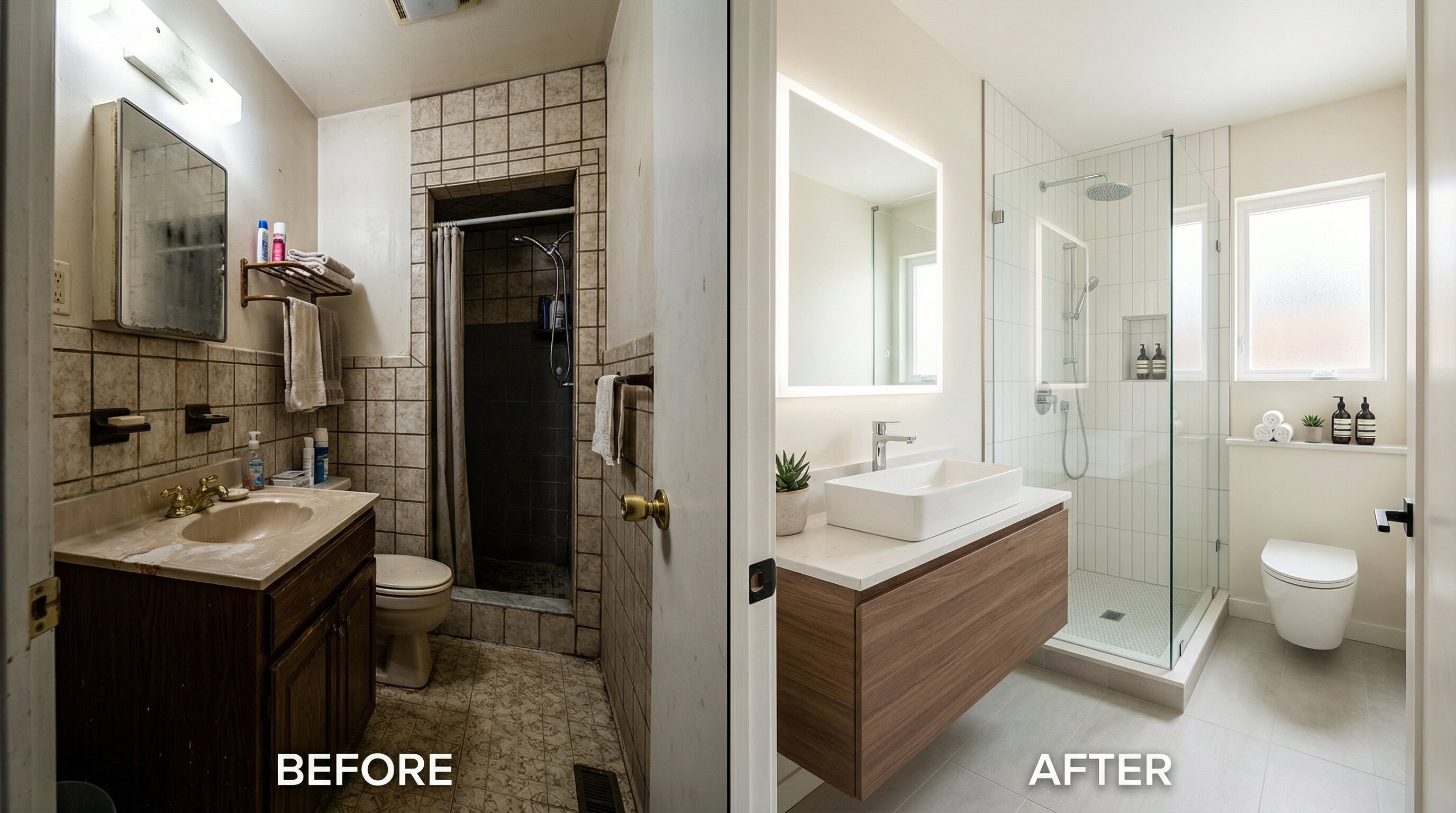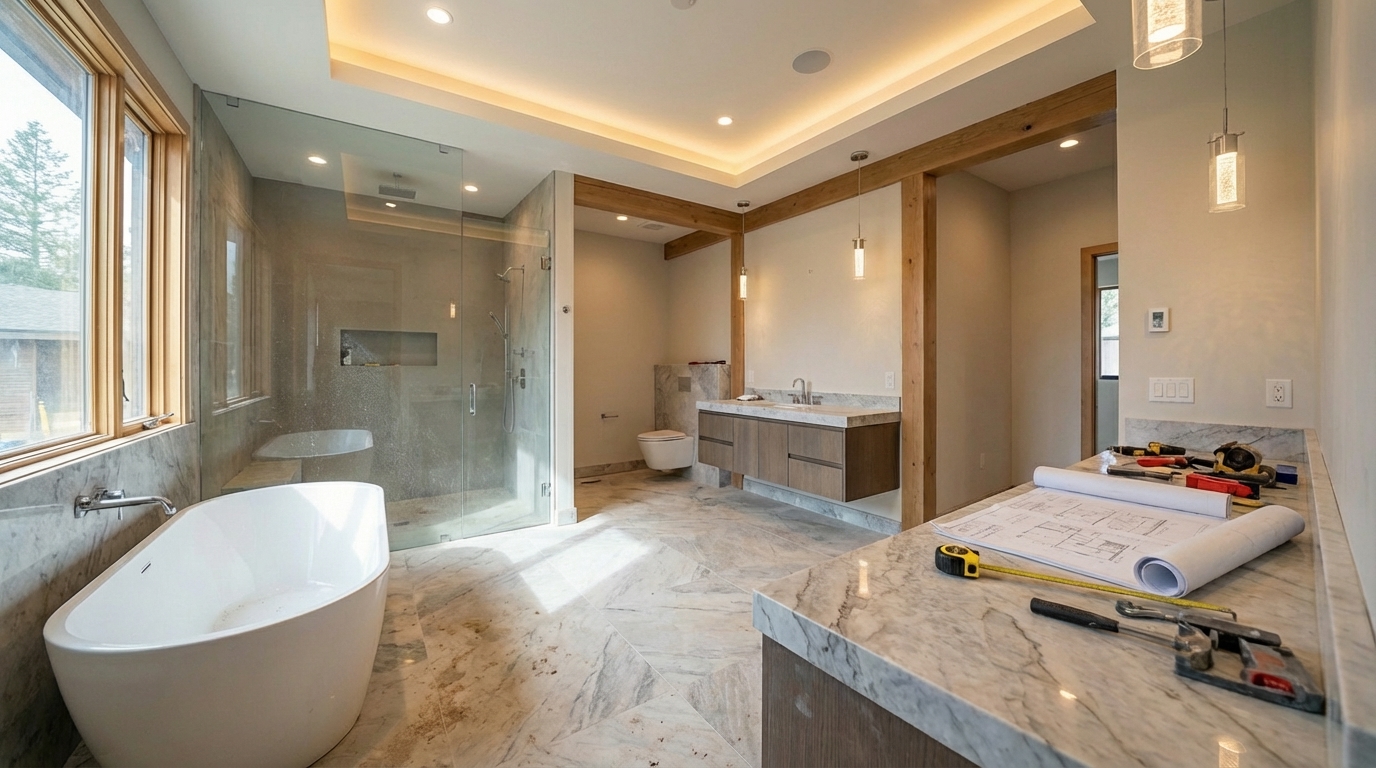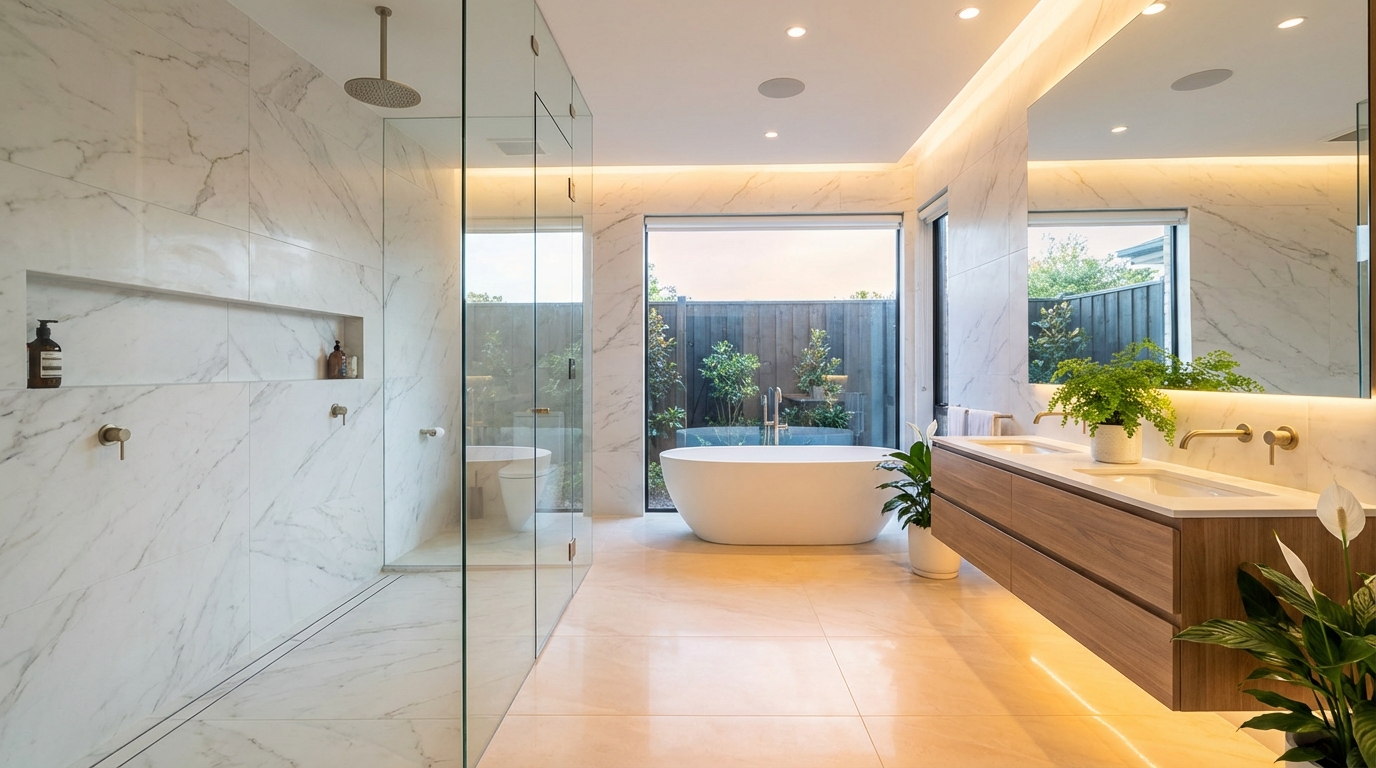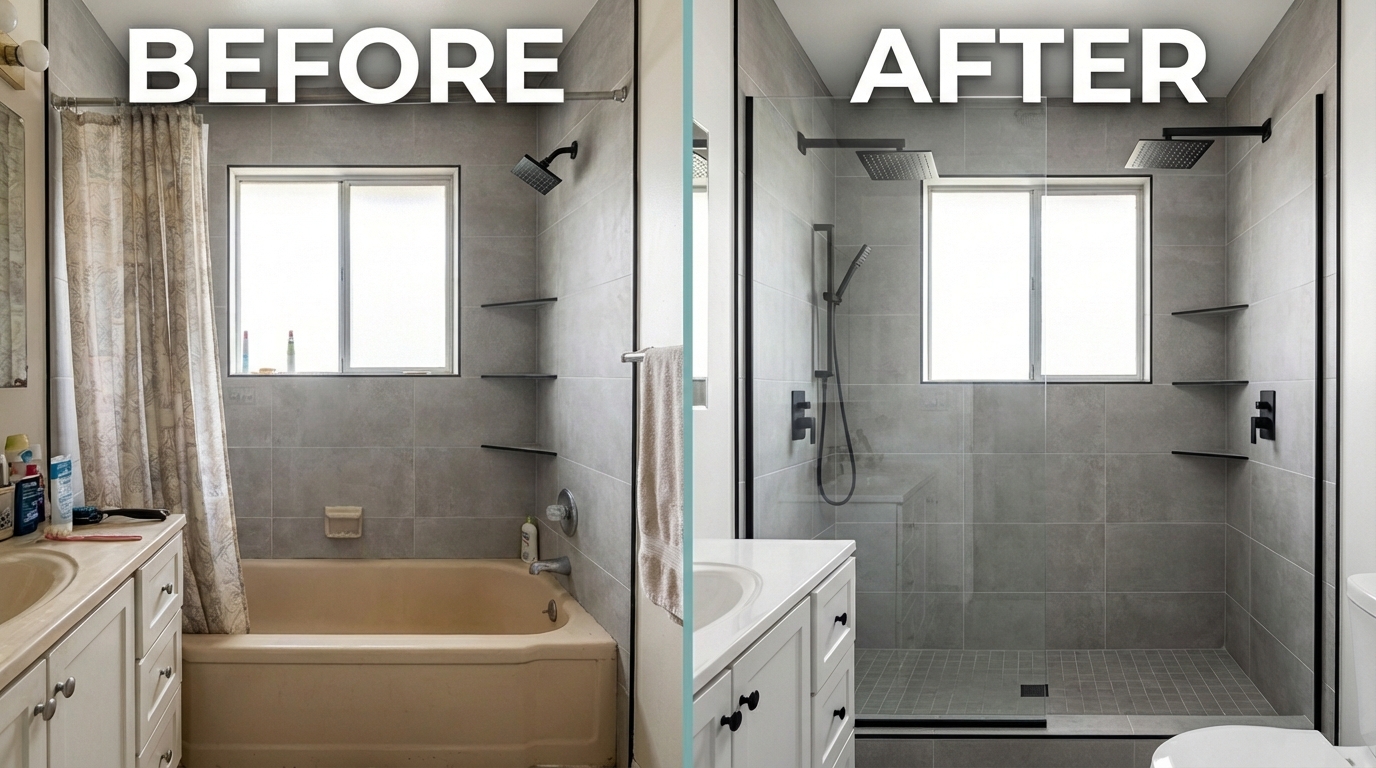

Wondering how much it really costs to remodel a small bathroom without breaking the bank? You’re not alone. Small bathroom remodels can range from a simple refresh to a full renovation, and costs can vary widely depending on materials, layout, and labor.
In this guide, we’ll break down the factors that affect cost, average price ranges, DIY vs professional work, and practical budget tips. By the end, you’ll know exactly what to expect and how to plan a remodel that meets your style and budget.
Factors Affecting Small Bathroom Remodel Cost
Before you start, it’s important to understand what drives costs in a small bathroom remodel. Several elements can significantly impact your budget:
Layout changes: Moving plumbing or relocating a shower or toilet can add $1,000–$3,000.
Materials: Tile, stone, and fixtures vary greatly in price. High-end materials increase costs.
Labor: Hiring a contractor costs more than DIY, but ensures quality and speed.
Permits: Electrical or plumbing changes may require permits, usually $50–$300.
Bathroom size and complexity: Even a small remodel can become expensive if the design is intricate.
Tip: List essential upgrades versus luxury additions to keep your remodel within budget.
Average Costs by Bathroom Size and Scope
Understanding typical cost ranges helps set realistic expectations. Here’s a breakdown for small bathroom remodels:
| Bathroom Type |
Average Cost Range |
| Half Bath |
$2,000–$3,000 |
| Small Full Bath |
$4,500–$6,000 |
| Small Primary Bath |
$6,000–$8,000 |
| 5×8 Bathroom Remodel |
$5,000–$7,000 |
| Conversion Half → Full |
$2,800–$10,000 |
Tip: Use this table to plan your budget. Include a 10–15% contingency for unexpected expenses.
Cost Per Square Foot
Another way to estimate your remodel cost is by square footage. Small bathrooms typically cost $150–$400 per square foot, depending on:
Material quality
Labor rates
Layout complexity
Example: A 5×8 bathroom (40 sq ft) at $200 per sq ft would cost about $8,000.
This method gives a quick estimate before getting detailed quotes from contractors.
Material & Fixture Costs
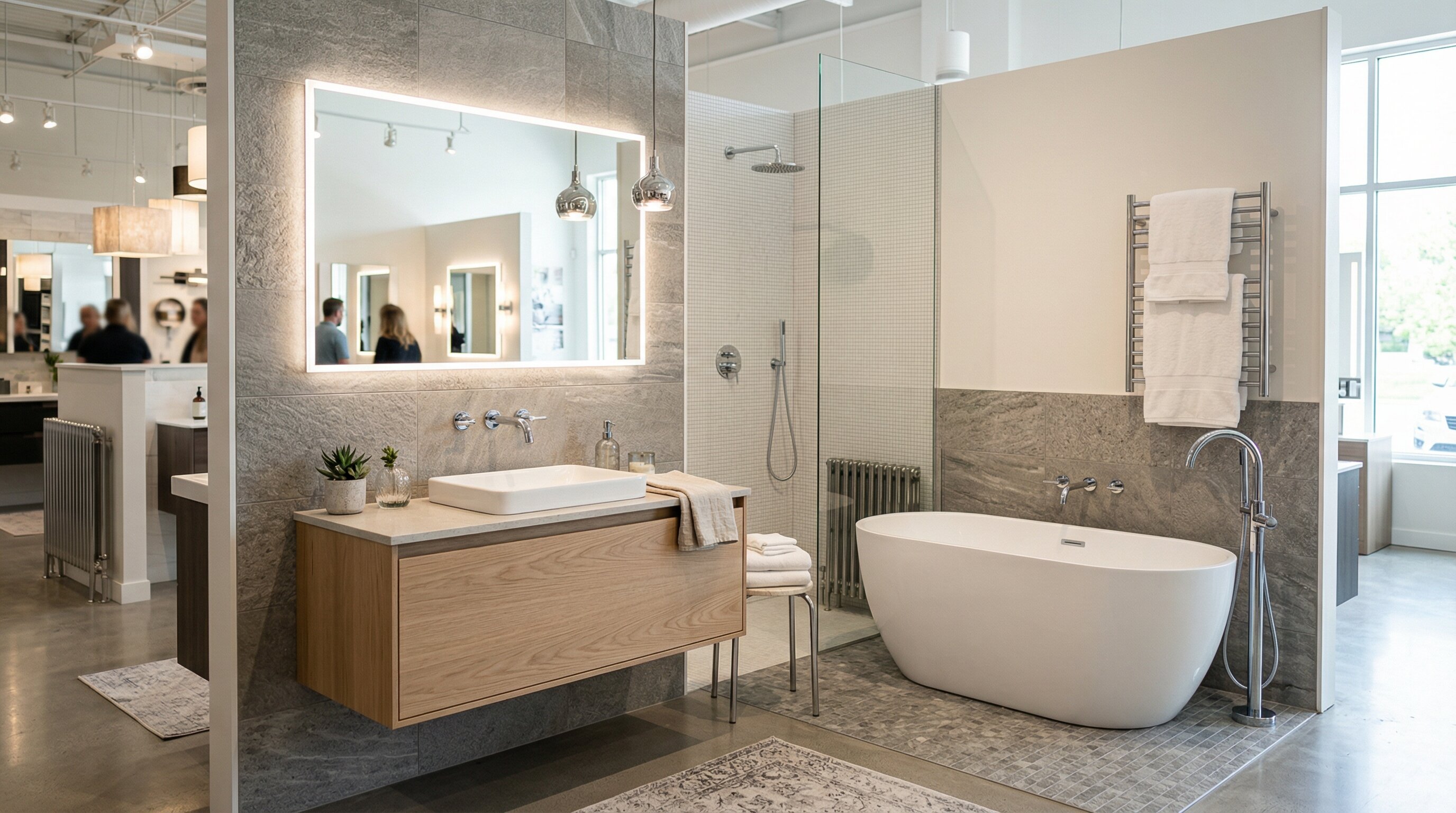
Materials and fixtures are some of the largest cost contributors. Here’s a typical range:
Tile: $3–$90 per sq ft (porcelain, ceramic, or natural stone)
Vanity: $100–$2,800 (based on size and materials)
Shower/Tub: $500–$5,000 (freestanding tubs or custom showers cost more)
Faucets & Lighting: $50–$500
Tips:
Mid-range materials provide the best balance of quality and cost.
Large-format tiles reduce grout lines and can make the bathroom feel bigger.
6. DIY vs Professional Remodel
Deciding between DIY and hiring a contractor can affect both your cost and the outcome.
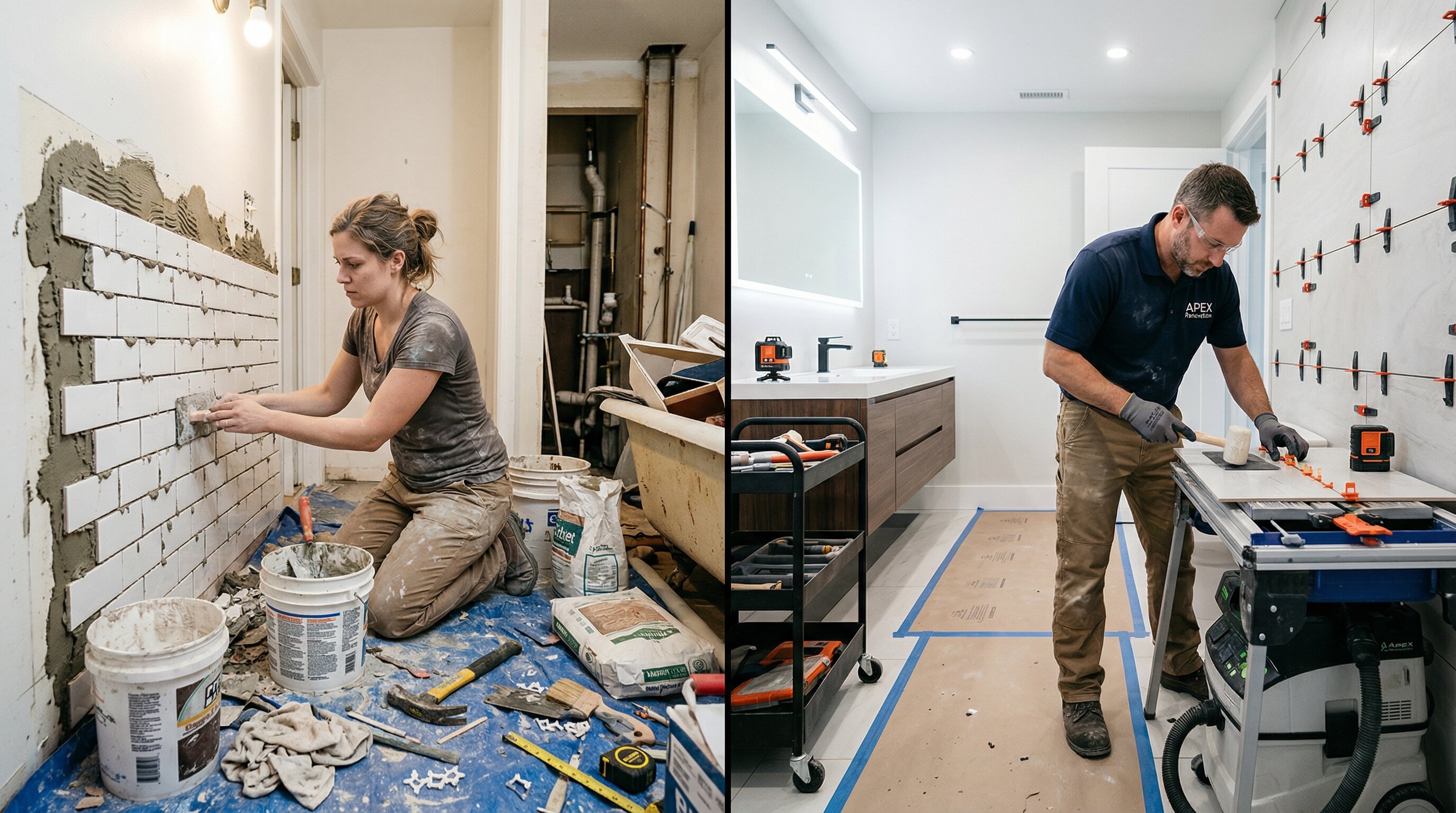
DIY Pros & Cons:
Pros: Lower labor cost, flexible schedule, personal satisfaction
Cons: Longer timeline, potential for mistakes, plumbing/electrical challenges
Professional Work:
Pros: Faster completion, higher-quality results, guaranteed work
Cons: Higher labor costs, scheduling required
Hybrid Approach: DIY minor tasks like painting or tile installation, and hire professionals for plumbing, electrical, or complex tile work.
Regional Cost Differences
Bathroom remodel costs vary based on location.
Urban areas: Higher labor and material costs
Rural areas: Lower overall costs but fewer contractors
Always check local pricing before finalizing your budget
Example: A remodel that costs $6,000 in a small town may cost $8,000–$9,000 in a city due to labor and permit fees.
Budget-Friendly Remodel Tips
Small upgrades can make a big difference without major expenses:
Refinish cabinets instead of replacing them
Use peel-and-stick tiles for accent walls
Minimal layout changes reduce plumbing costs
Energy-efficient fixtures save money long-term
Even minor changes can give your bathroom a fresh, modern look without overspending.
Timeline & Unexpected Costs
Typical small bathroom remodel timelines: 2–4 weeks.
Plan for delays:
Inspection scheduling
Custom order deliveries
Unexpected costs: Water damage, uneven floors, or hidden mold can add $500–$2,000. Always set aside 10–15% contingency for surprises.
ROI & Resale Value
A small bathroom remodel can be a great investment:
ROI: 60–70% on average
High-quality materials increase home resale appeal
Energy-efficient upgrades attract buyers and lower utility bills
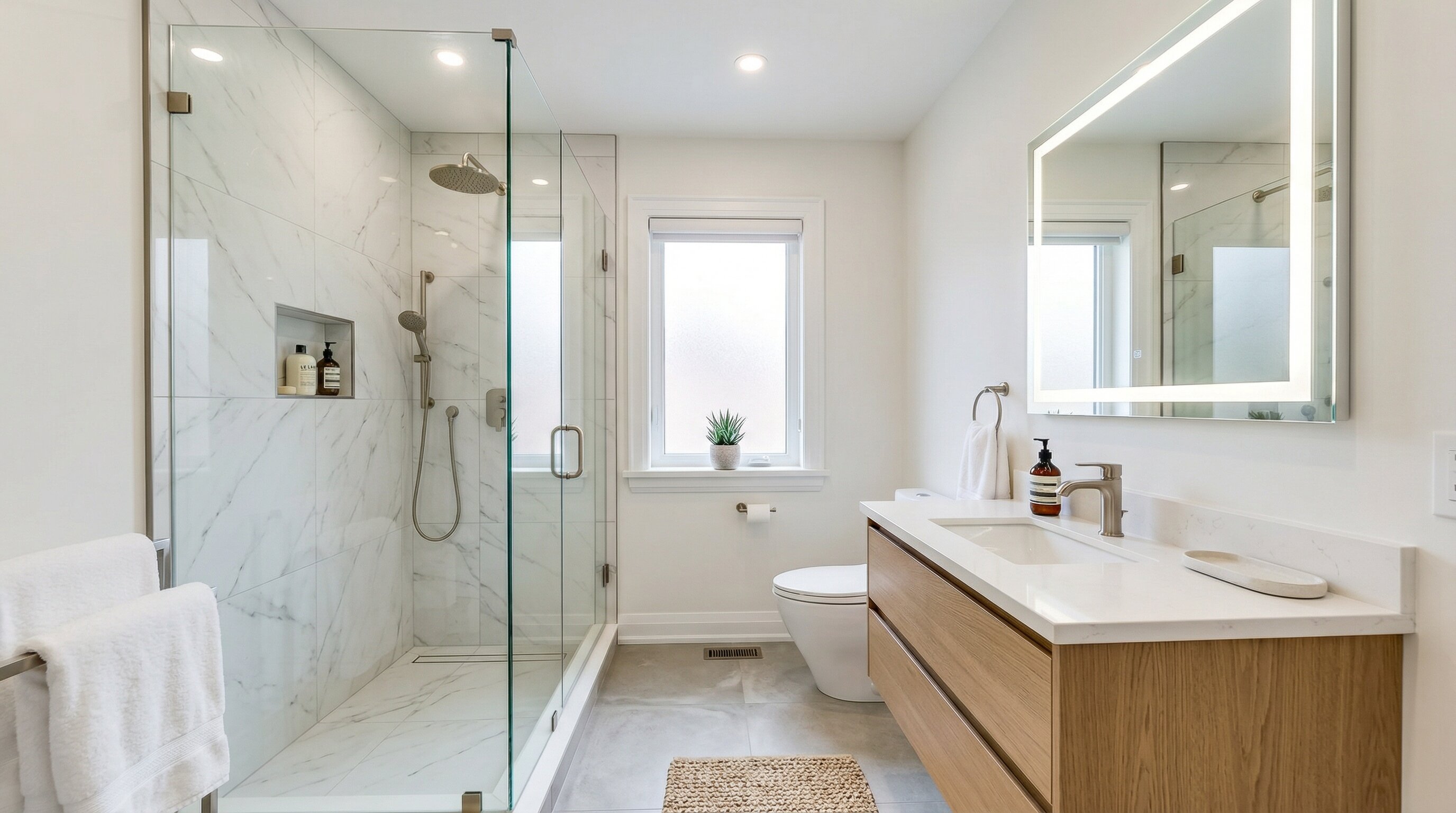
Tip: Even small aesthetic upgrades, like new fixtures or lighting, can significantly improve home value.
Frequently Asked Questions
How much does a small bathroom remodel cost?
A small bathroom remodel typically ranges from $5,000 to $15,000. Costs vary based on labor, materials, and design choices. DIY projects reduce labor costs but may take longer. High-end finishes or custom fixtures can push costs toward $20,000 or more.
Can I remodel a small bathroom on a tight budget?
Yes, focusing on cost-effective materials and minor upgrades can transform your bathroom without a full renovation. Repainting, swapping fixtures, and adding storage are inexpensive ways to refresh the space. Prioritize updates that improve functionality and visual appeal.
Does bathroom size affect remodel cost?
Absolutely. A 5×8 bathroom costs less to remodel than a larger space because fewer materials and labor hours are required. Small layouts also allow for simpler plumbing and electrical adjustments. However, tight spaces can make complex design elements more challenging.
How long does a small bathroom renovation take?
Most small bathroom remodels take 1–3 weeks. Simple updates, like painting and fixture replacement, can be completed in a few days. Full remodels involving plumbing, tiling, and custom cabinetry require more time. Delays often come from ordering materials or scheduling contractors.
Should I hire a contractor or do it myself?
Hiring a licensed contractor ensures proper plumbing, electrical, and code compliance. DIY can save money but requires time, skills, and patience. Complex projects, like moving drains or installing custom tile, are better left to professionals.
What unexpected costs should I plan for?
Hidden water damage, outdated wiring, or uneven floors can increase costs. Always budget an extra 10–20% for surprises. Planning for contingencies prevents stress and ensures your remodel stays on track.
Which materials are best for a small bathroom remodel?
Porcelain, ceramic, and natural stone are durable and water-resistant for floors and walls. Moisture-resistant cabinetry and vanities protect against warping. Opt for materials that are easy to clean, maintain, and visually expand the space.
Will a small bathroom remodel increase home value?
Yes, but modestly. A well-planned, updated bathroom improves appeal to buyers. Small bathroom remodels offer higher ROI when they maximize space, functionality, and finishes without over-customization.
Conclusion
Small bathroom remodels don’t have to be overwhelming. By understanding cost factors, choosing the right materials, and planning labor efficiently, you can create a functional, stylish space within your budget. Even small upgrades and thoughtful design choices can give your bathroom a modern, luxurious feel while maximizing value. Start with a plan, include contingencies, and make decisions that balance style, comfort, and cost.