
Choosing between a shower and a bathtub isn’t just about style it shapes how you use your bathroom every day. Do you prioritize speed and efficiency, or relaxation and luxury? Are you looking to save space, reduce water use, or accommodate family needs?
Understanding the pros and cons of showers and bathtubs helps you make a decision that fits your lifestyle, enhances comfort, and adds long-term value to your home. In this guide, we break down everything you need to know about shower vs bathtub so you can choose the option that truly works for you.
Shower: Key Features and Benefits
Showers offer convenience, efficiency, and modern functionality. Key features include:
Space-saving design: Perfect for smaller bathrooms or modern layouts.
Quick and efficient: Ideal for daily routines and busy mornings.
Variety of designs: Walk-in, enclosed, or corner showers with rain or handheld showerheads.
Water efficiency: Uses less water than filling a bathtub, addressing shower vs bath water usage.
Easy maintenance: Fewer surfaces to clean, supporting shower vs bath cleanliness.
Accessibility: Walk-in or curbless options make it easier for all ages.
Bathtub: Key Features and Benefits
Bathtubs provide relaxation, family-friendly convenience, and aesthetic appeal. Key features include:
Soaking and relaxation: Great for stress relief and therapeutic baths, a core benefits of baths vs showers point.
Aesthetic appeal: Freestanding or built-in tubs can be a focal point.
Family-friendly: Ideal for children, pets, and assisted bathing needs.
Variety of materials: Acrylic, cast iron, or stone for durability and style.
Spa-like experience: Perfect for home wellness and comfort.
Quick Comparison: Shower vs Bathtub Difference
This table highlights the shower vs bath difference in practical concerns like space, daily use, and long-term value.
Space and Layout Considerations
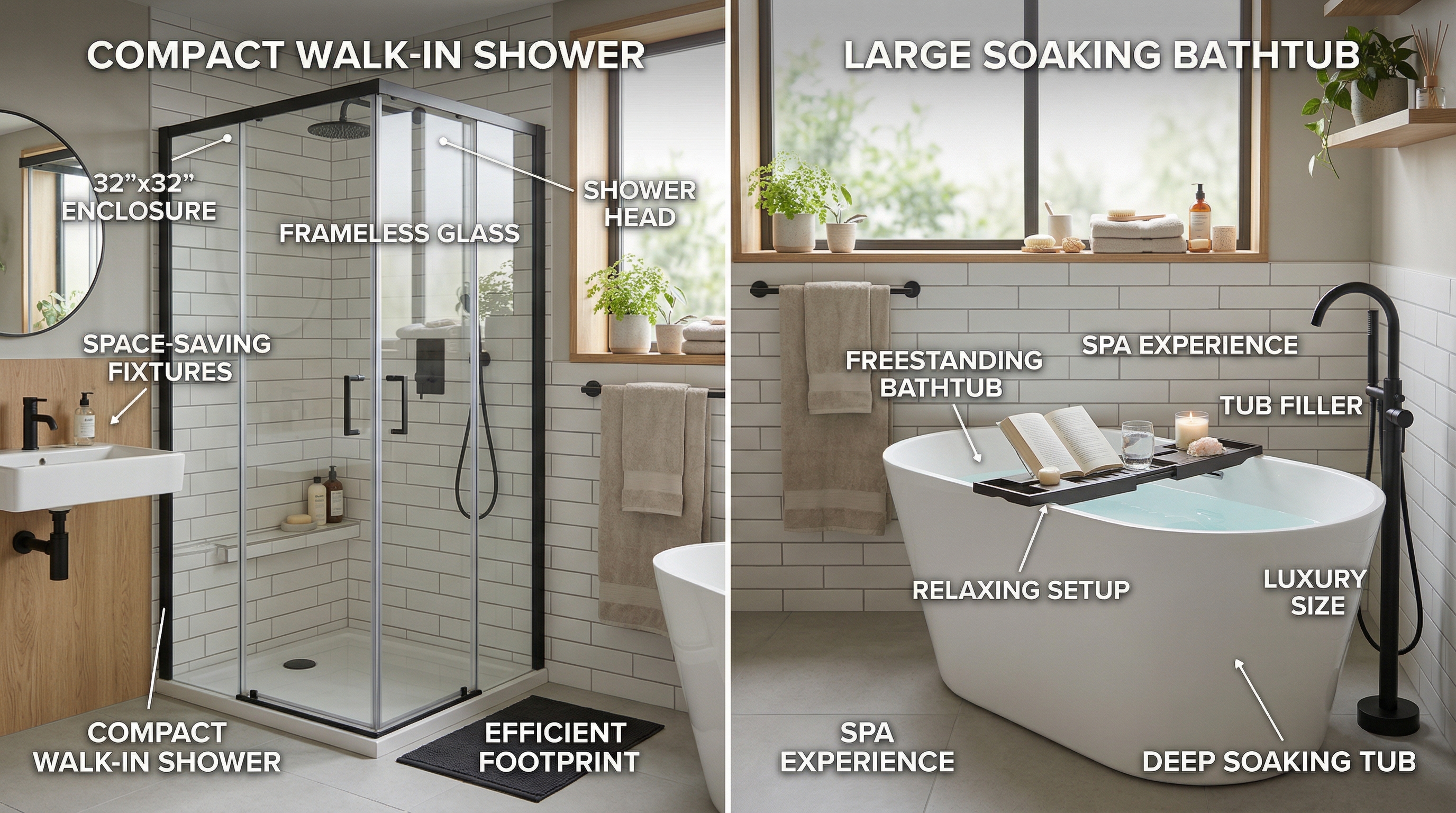
The size of your bathroom is often the first factor in this decision. Walk-in shower vs bathtub choices depend heavily on space. Showers require less room than tubs, making them ideal for small bathrooms or narrow layouts. A compact walk-in shower can fit neatly into corners, leaving room for cabinets or a double vanity.
Bathtubs require a larger footprint. In a small bathroom, a bathtub may dominate the space and limit other design options. Even in larger bathrooms, a standalone tub can define the layout, affecting furniture placement, storage solutions, and circulation paths.
Tip: If you want to save space without sacrificing style, consider a shower-tub combo, which provides both options in a smaller footprint.
Accessibility and Safety
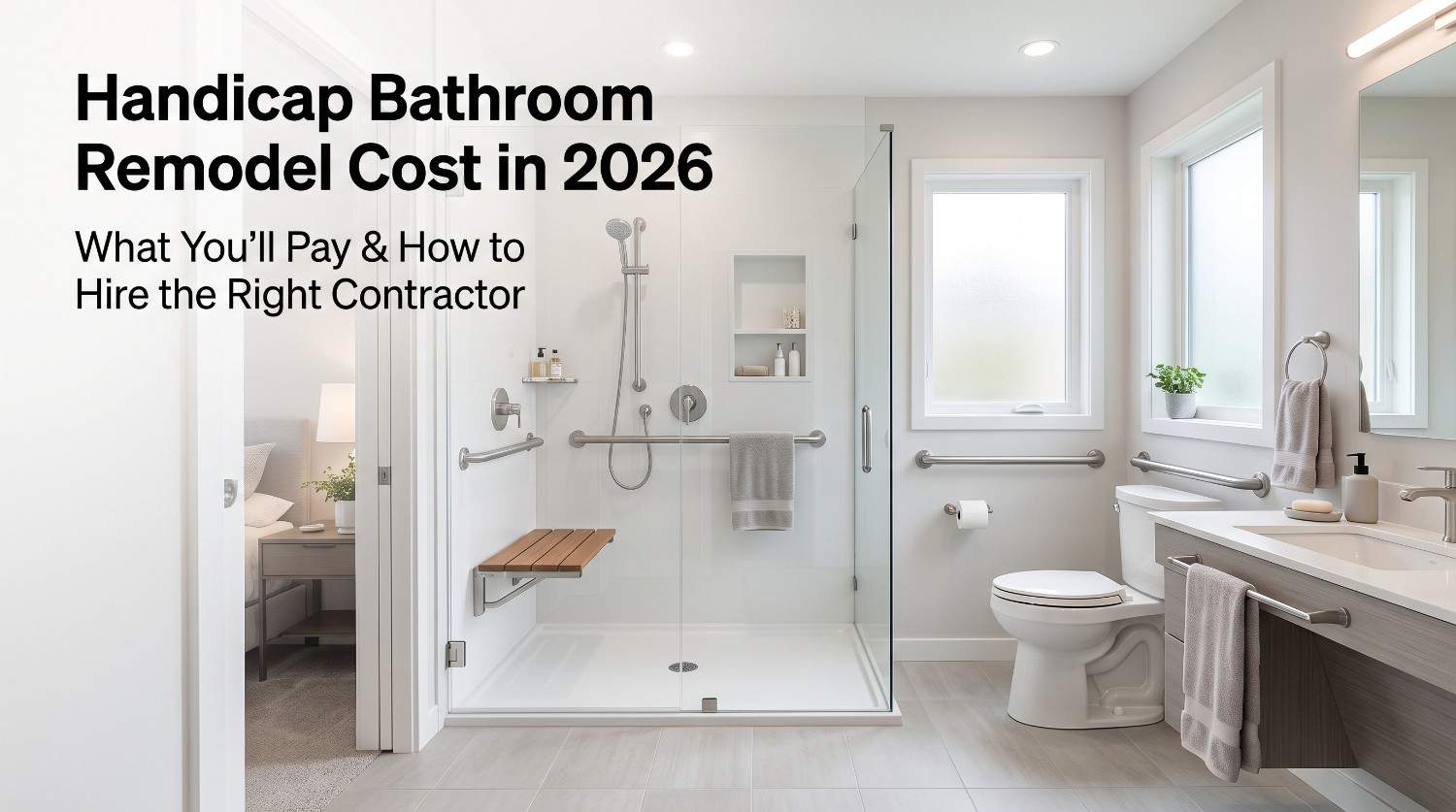
Safety is a critical factor in any bathroom. Walk-in showers offer low-threshold entries, reducing the risk of slipping particularly important for seniors or people with mobility issues. Features like grab bars, non-slip tiles, and shower benches enhance safety.
Bathtubs require stepping over a high edge, which can be challenging for elderly individuals or those with limited mobility. Even with handrails, tubs are generally less accessible than showers.
Insight: If your household includes elderly members, a walk-in shower is the safer and more practical choice. For children, tubs may still be preferred, but a hybrid shower-tub with a low entry can balance safety and versatility.
Daily Use and Convenience
Showers are unmatched for quick, daily use. A 5–10 minute shower efficiently cleans the body, making them ideal for busy mornings. Showers also require minimal preparation and cleanup.
Bathtubs are designed for leisurely soaks, which take more time and water. Filling, soaking, and draining a tub adds minutes to your routine but provides relaxation and stress relief that showers cannot replicate.
Practical Tip: Consider your lifestyle. If mornings are rushed, a shower makes routines smoother. For weekend relaxation, a bathtub adds luxury often the core question for homeowners asking bathtub or shower which is better.
Water Usage and Efficiency
Water consumption is another important consideration. Standard showers use 25–50 gallons per session, while a full bathtub can consume 40–70+ gallons. Shorter showers with low-flow heads are the most efficient way to save water.
Environmental Insight: If sustainability is a priority, showers conserve water and energy. Bathtubs are valuable for occasional relaxation, family bathing, or therapeutic soaks.
Maintenance and Cleanliness
Showers are generally easier to maintain. They have fewer surfaces and corners, and wall-mounted fixtures reduce areas where soap scum or mold can accumulate.
Bathtubs require more attention. The larger surface area, combined with edges, corners, and drains, can accumulate grime. Regular cleaning is necessary to maintain hygiene, especially in high-traffic bathrooms.
Pro Tip: If maintenance is a top concern, choose a shower. If you love soaking, consider low-maintenance materials like acrylic or stone resin.
Pros and Cons
Showers
Pros:
Space-efficient, ideal for small bathrooms
Fast and convenient for daily use
Lower water consumption (shower vs bath water usage)
Accessible for seniors and children
Cons:
Limited relaxation compared to a bath
Less suitable for bathing young children
Minimal luxury experience
Bathtubs
Pros:
Ideal for soaking, relaxation, and stress relief (benefits of baths vs showers)
Perfect for families with young children
Can enhance bathroom aesthetics and resale value
Serves as a centerpiece or luxury feature
Cons:
Larger footprint, limiting space
Higher water usage
Harder to clean and maintain
Less accessible for seniors
Which Option Is Best for Different Households?
Small Bathrooms: Shower wins. Efficient use of space allows other fixtures and storage to fit comfortably.
Families with Children: Bathtub preferred. Ideal for safely bathing young kids and making bath time enjoyable.
Seniors or Accessibility Needs: Walk-in shower is safer. Features like grab bars and benches reduce fall risk.
Luxury and Relaxation: Bathtub provides the best experience. Deep soaking tubs relieve stress and add a spa-like atmosphere.
Resale Considerations: Depends on buyers. Family homes benefit from a bathtub, while modern condos or empty-nester homes may prioritize walk-in showers.
Cost Considerations and Efficiency
Showers typically cost less to install if space is limited. Water savings are significant, especially with short durations. Bathtubs may slightly increase utility bills but provide lifestyle benefits, relaxation, and potential resale value.
Tip: A hybrid shower-tub combo offers the convenience of a shower and the luxury of a bathtub without taking excessive space.
Replacing a Bathtub with a Shower
Consider replacement if:
You live alone or as a couple and rarely soak in a tub
You need extra floor space in a small bathroom
You want easier cleaning and lower maintenance
For families or resale to future buyers, retaining a bathtub is practical. Walk-in shower-tub combos balance safety, space, and luxury.
Environmental and Practical Insights
Frequency of use: Daily showers save water and energy.
Energy efficiency: Heated baths consume more energy.
Lifestyle needs: Bathtubs offer therapeutic benefits.
Space limitations: Showers maximize floor space and openness.
Choosing the right option balances daily convenience, lifestyle priorities, and long-term home value.
Frequently Asked Questions
Which is better, a shower or a bathtub?
It depends on lifestyle and household needs. Showers are efficient and safe, while bathtubs provide relaxation, family-friendly bathing, and aesthetic appeal. Many homeowners ask “bathtub or shower which is better”, and hybrid solutions provide the best of both.
Do showers use less water than baths?
Yes. Showers use roughly 25–50 gallons, whereas a bathtub can use 40–70+ gallons (shower vs bath water usage). Shorter showers and low-flow fixtures improve efficiency.
Are showers more hygienic than bathtubs?
Generally, yes. Showers have fewer surfaces and crevices, making cleaning easier (shower vs bath cleanliness). Bathtubs require more frequent maintenance.
Is a walk-in shower better for seniors?
Absolutely. Low-threshold entry and safety features like grab bars reduce slip risks, making showers safer for older adults.