
Planning a bathroom renovation for the first time feels overwhelming because everything seems to happen at once. It doesn't have to. This bathroom remodeling guide gives first-timers a clear order to follow: decide, budget, permit, hire, then build. First-time bathroom remodel planning works in a fixed order: budget → decide what moves → check permits → get quotes → finalize design → demolition. A typical remodel costs $6,600–$17,600, averaging around $12,100; luxury builds top $30,000. Set aside 10–20% of your budget for surprises like hidden water damage or rot. Cosmetic work (paint, tile, same-spot fixtures) rarely needs a permit; moving plumbing, electrical, or walls does. Get at least three contractor quotes before committing skipping this is a top first-timer regret. To plan your first bathroom remodel, set a budget with a 15% buffer, decide what stays versus what moves, confirm whether you need a permit, get three quotes, then finalize the design before any demolition begins. The biggest first-timer mistake is confusing two different orders. Planning order is the sequence of decisions you make. Build order is the sequence your contractors physically work in. Get the planning order right and the build order takes care of itself. Your contractor handles the construction sequence. You handle the choices that come first. Money drives most decisions, so the budget comes before design. Knowing your ceiling stops you falling in love with fixtures you cannot afford. The first step is setting a realistic budget, not picking tiles. A clear number shapes every later decision and prevents overspending. Bathroom remodels average around $12,100, with most falling between $6,600 and $17,600. Luxury materials push projects past $30,000. Most homeowners recoup roughly 70% of a standard remodel at resale. That return makes the bathroom one of the higher-value rooms to renovate. This assumes a standard remodel adding square footage changes the math entirely. How Much Should a First-Timer Budget for Surprises? Set aside 10–20% of your total budget for unexpected problems. First-timers almost always underestimate what is hidden behind walls. Demolition often reveals rot, mold, or corroded pipes that must be fixed before work continues. These repairs are not optional and not cheap. On a $12,000 remodel, that means holding back $1,200–$2,400. Treat it as already spent, not as bonus money for upgrades. You need a permit if you move plumbing, change electrical, or alter a wall. Cosmetic work in the same layout usually does not. Painting, retiling, and swapping a faucet or same-spot toilet are exempt almost everywhere. Moving a toilet, adding a shower, or rewiring triggers a permit. Single-trade permits run $50–$200; full gut renovations run $300–$800. Skipping a required permit risks fines and denied insurance claims later. Rules vary by city, so confirm with your local building department first. A bathroom remodel follows a fixed build sequence to avoid rework and damage. Final fixtures always go in last. Schedule the rough-in inspection before drywall goes up. Closing walls early can force you to tear them open again. The most common regret is not planning enough before starting. Roughly one in four homeowners wish they had spent more time on planning a bathroom renovation. Many also wish they had gathered more quotes or rethought the layout. Rushing the design phase leads to costly mid-project changes. Decide your layout on paper and order materials early. Backordered tile or vanities are a leading cause of delays. Frequently Asked Questions A standard bathroom remodel takes two to three weeks of active work. Permit approval, material delivery, and inspections can extend the timeline further. Plan for a backup bathroom if this is your only one. Delays from hidden repairs or backordered materials are common, so build in buffer time. Beginners can handle painting, simple tiling, and accessory installation safely. Plumbing and electrical work should go to licensed pros to avoid leaks, code violations, and injury. A contractor also pulls permits and coordinates the build sequence. Hiring out the hard parts often costs less than fixing DIY mistakes. Decide your budget, what fixtures move, and your rough layout before calling. Save inspiration photos and note must-have features versus nice-to-haves. This lets contractors give accurate quotes instead of vague estimates. The clearer your scope, the more comparable your three quotes will be. Hold back 10–20% for surprises and order materials before demolition starts. Lock your design early, because mid-project changes are the biggest source of overruns. Choose mid-range finishes where they won't be seen up close. Avoid adding scope once the work begins. You don't need to move out, but you need a backup bathroom. If it is your only one, arrange access to another shower for two to three weeks. Renting a portable toilet is an option for longer gut jobs. Plan this before demolition, not during it.What Is the First Step If You've Never Remodeled a Bathroom?
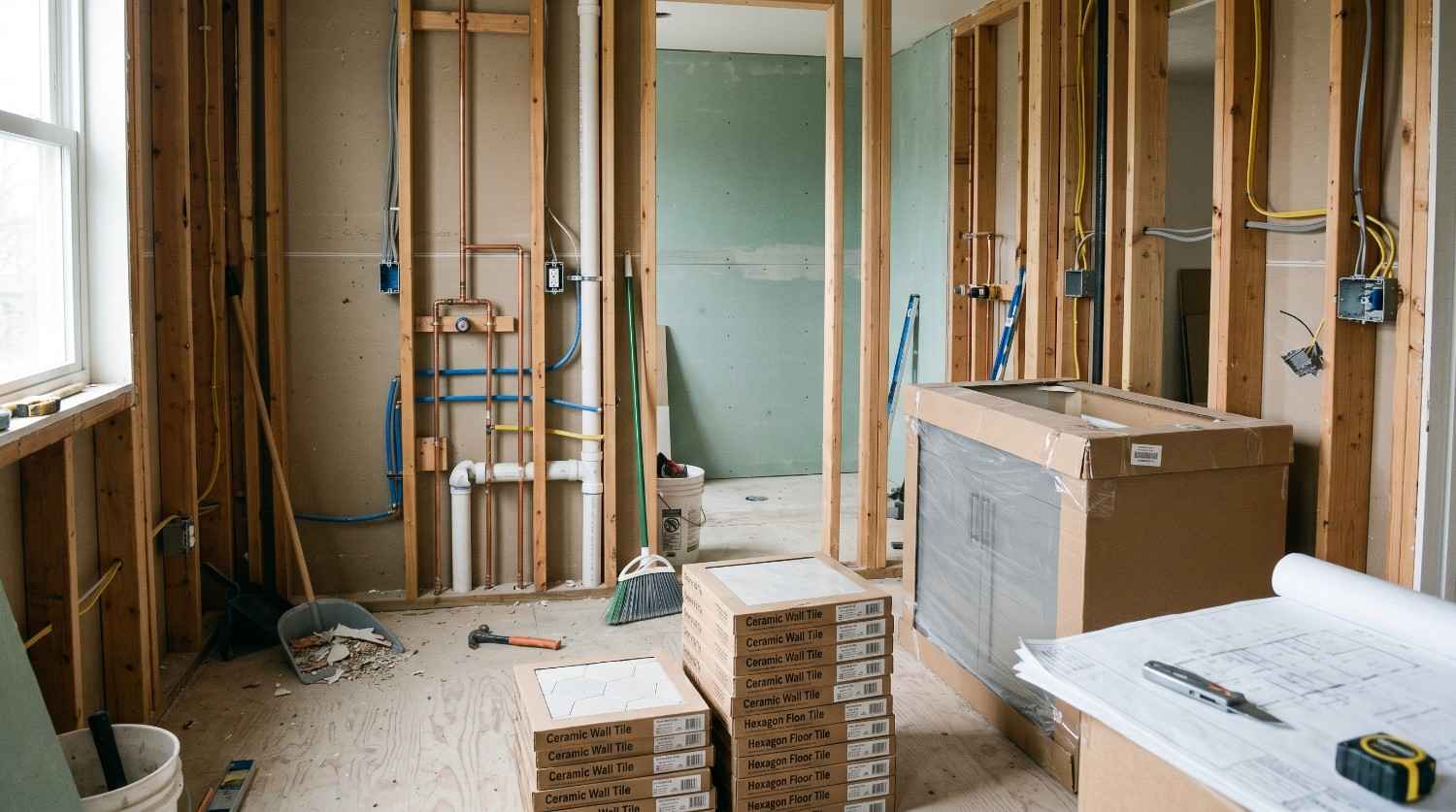
Do You Need a Permit to Remodel a Bathroom?
What Order Does a Bathroom Remodel Happen In?
What Do First-Time Remodelers Regret Most?
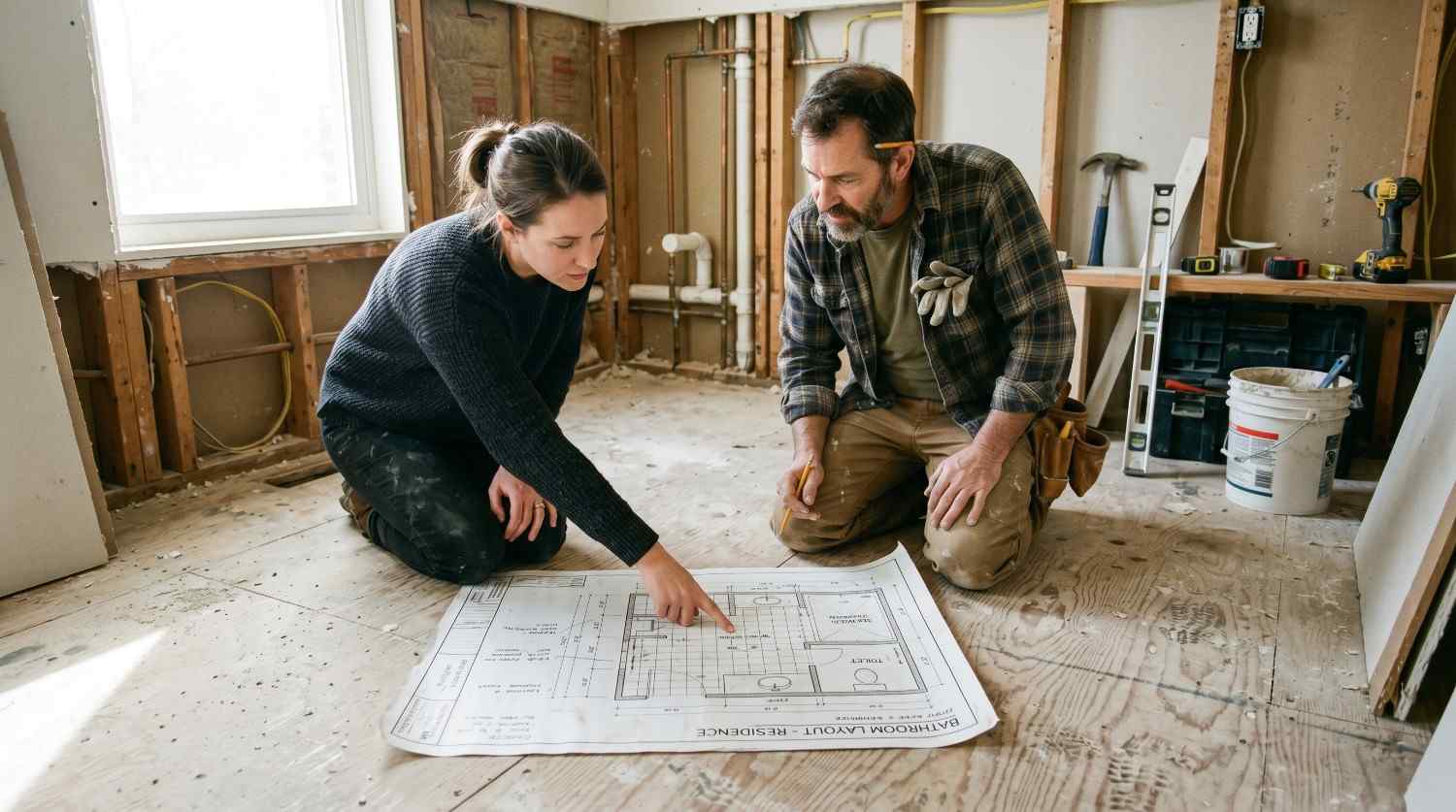
How long does a first bathroom remodel take?
Should a beginner DIY a bathroom remodel or hire a pro?
What should I decide before calling a contractor?
How do I avoid going over budget on my first remodel?
Do I need to move out during a bathroom remodel?
How to Plan a Bathroom Remodel If You've Never Done It Before
A first-timer's guide to bathroom remodel planning: budget, permits, quotes, and the right order to make decisions before demolition starts.

Written by Zohaib Ali
More on Nationwide BuildersRead more Home Improvement Tips blogs









Pros
Support