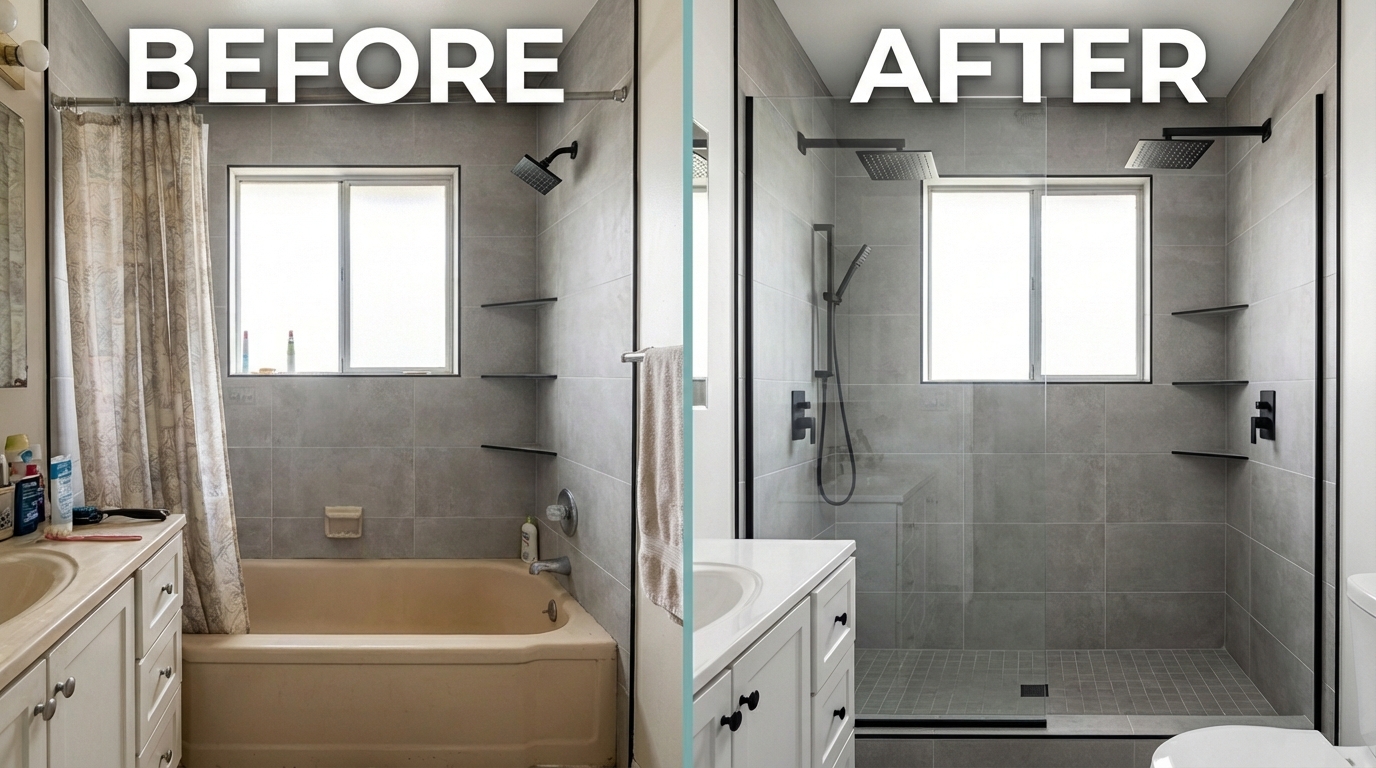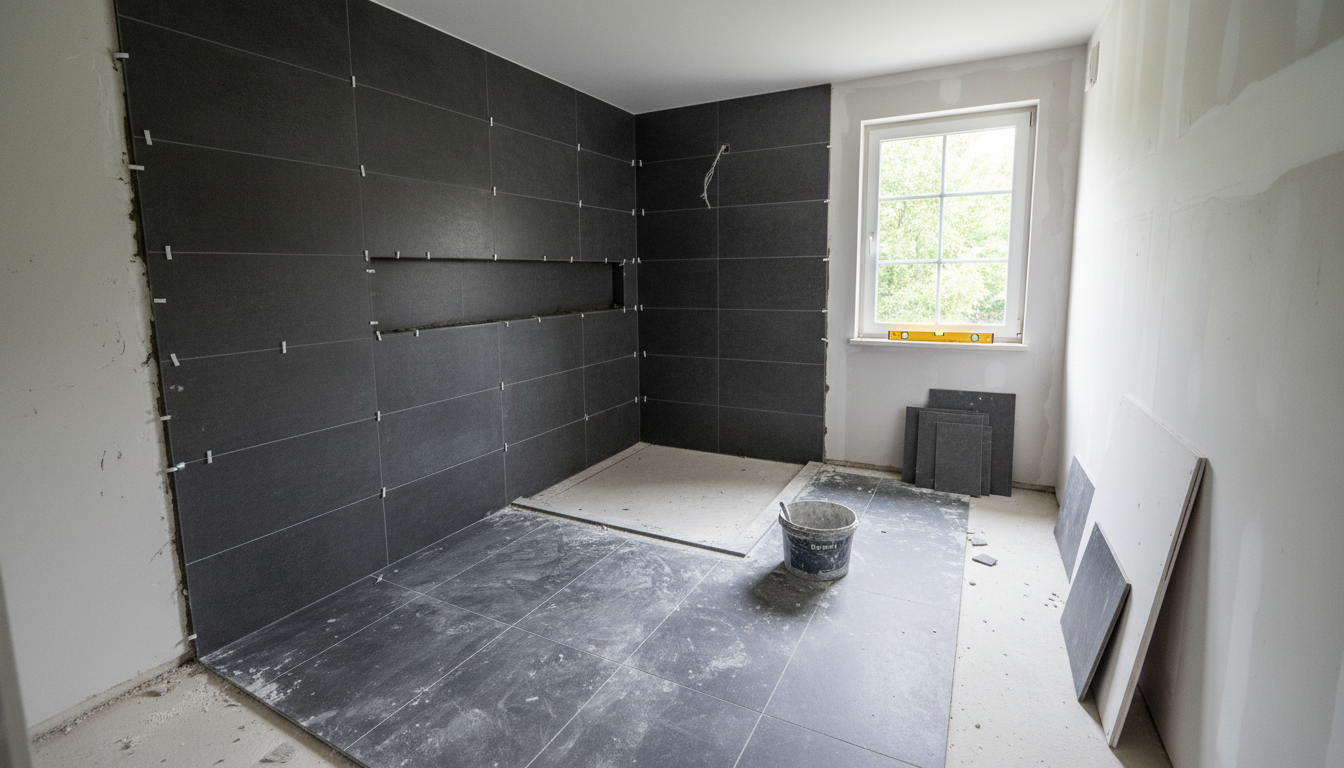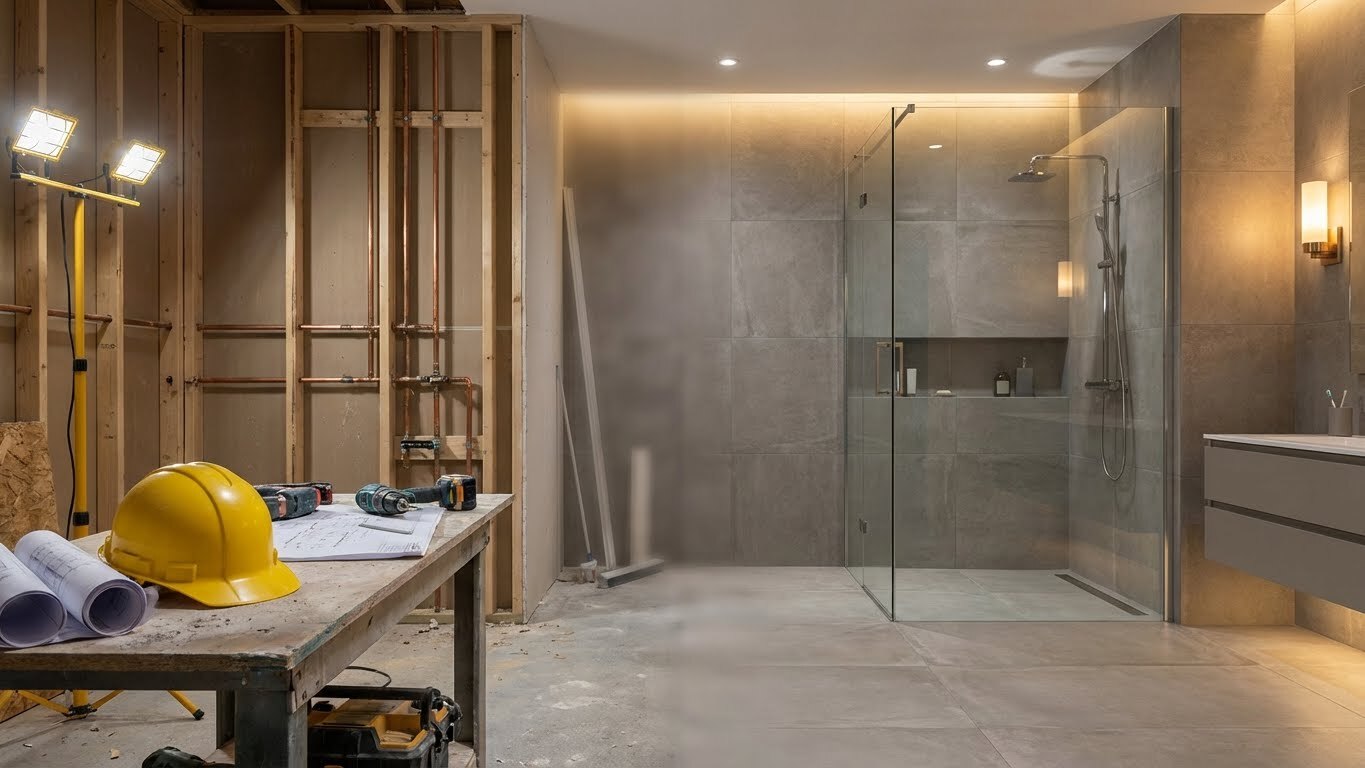
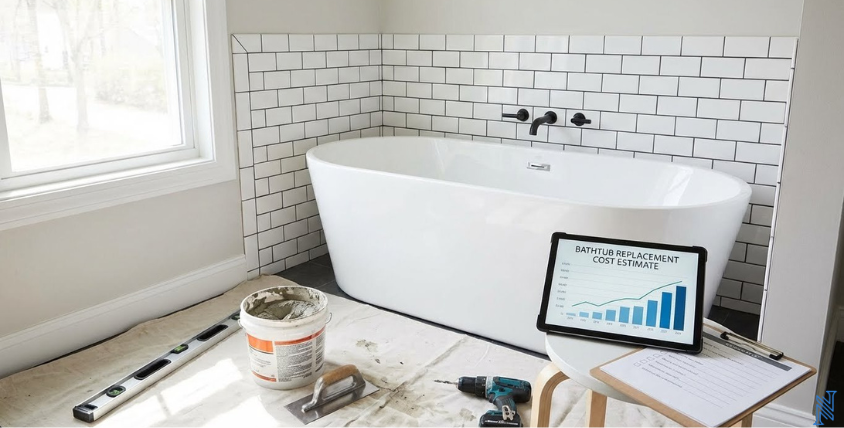

Bathtub replacement is a common bathroom remodeling project, whether you’re upgrading an outdated tub, fixing damage, or improving comfort. Total bathtub replacement cost depends on the type of tub you choose, installation complexity, and the condition of your existing bathroom.
For homeowners in New York, labor rates and apartment access (tight spaces, building rules, disposal logistics) can push costs higher than national averages—especially for older buildings.
Average Bathtub Replacement Cost
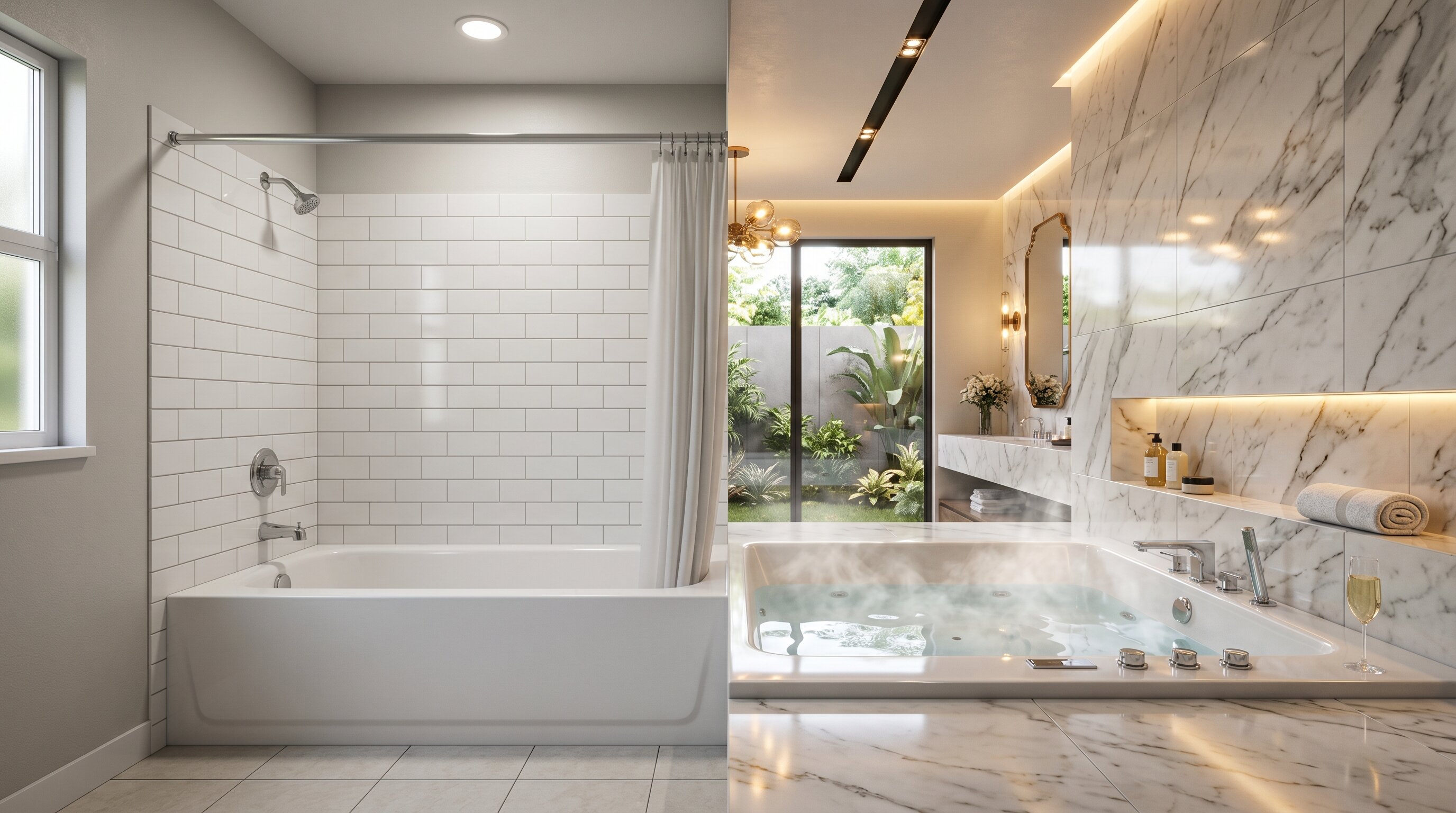
Most projects fall between a basic swap and a higher-end replacement. A simple replacement that keeps the plumbing in place is typically at the lower end, while layout changes, tile work, or premium tubs move pricing upward.
These figures represent common scenarios. Your final price depends on the tub type, bathroom condition, and how much surrounding material (tile/walls/floor) must be removed and rebuilt.
How Much Does It Cost to Replace a Tub?
Homeowners searching “how much does it cost to replace a tub” are usually referring to a like-for-like swap. In many cases, replacing an existing tub with a similar size and style costs around $1,300, assuming the plumbing stays in place and no major repairs are needed.
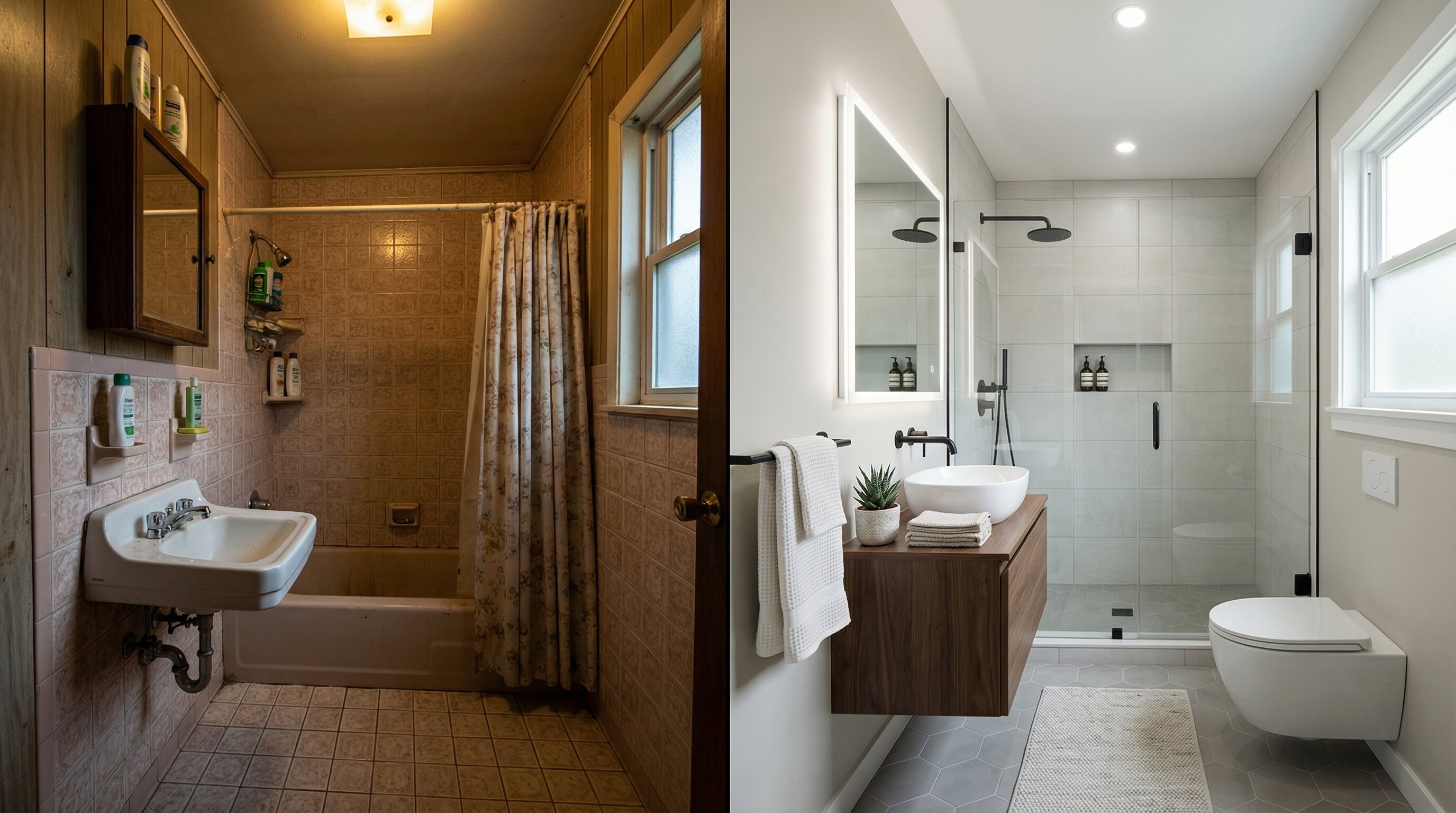
If the old tub is set into tile and the wall surround needs to be removed and rebuilt, costs increase because the job becomes more than just a tub swap.
Cost to Install a New Bathtub
The cost to install a new bathtub often averages $1,300 for labor. This typically covers setting the tub properly, ensuring correct leveling, and reconnecting drain lines.
Installation can cost more if plumbing requires modification, the floor needs leveling, or the project requires additional waterproofing or wall reconstruction.
How Much Is a New Bathtub?
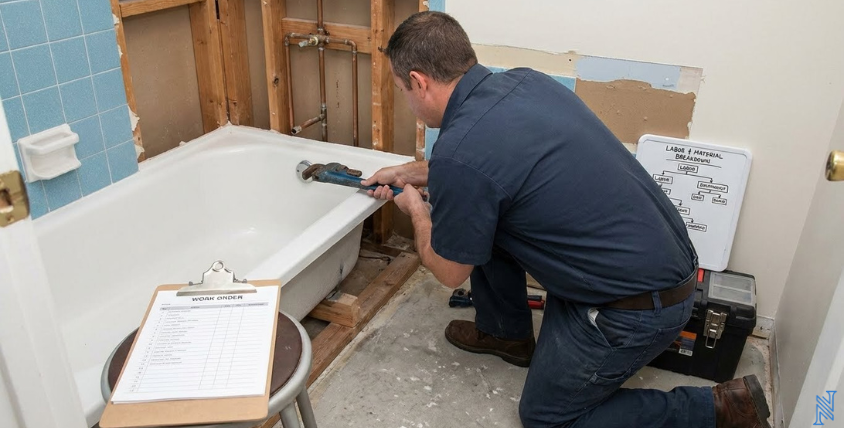
The tub itself is a separate cost from labor. A standard new bathtub is often around $1,000, though pricing varies depending on material and design.
Fiberglass options are generally the most affordable and easiest to install, which is why they’re common in apartment bathrooms and standard home renovations.
Bathtub Removal Cost
Bathtub removal typically averages around $590, though this depends on weight, access, and disposal requirements. Heavier tubs (like cast iron) and older installations may require additional labor to remove safely without damaging plumbing or surrounding walls.
In multi-story buildings, removal can be more expensive due to stair/elevator access and debris disposal policies.
What Affects Bathtub Replacement Cost?
The biggest cost drivers are the tub type, plumbing condition, and the amount of surrounding demolition required. Older bathrooms often hide issues like water damage behind tile or worn drain/overflow assemblies that need replacement once the tub is removed.
Other variables include whether you’re keeping the existing layout, upgrading the valve and fixtures, or rebuilding the wall surround.
Is Replacing a Bathtub Worth It?
Replacing a bathtub is often worth it when the tub has cracks, deep staining, persistent leaks, or outdated design. It also improves the look and usability of the bathroom and can be a strong selling feature when paired with updated finishes.
If the rest of the bathroom is in good condition, a straightforward replacement can be a cost-effective upgrade compared to a full remodel.
Get an Accurate Replacement Estimate
The fastest way to get an accurate price is to have a contractor evaluate your bathroom layout, plumbing condition, and the scope of surrounding work. That’s how you’ll get a clear quote for your specific project—whether it’s a simple swap or a full replacement with tile work.