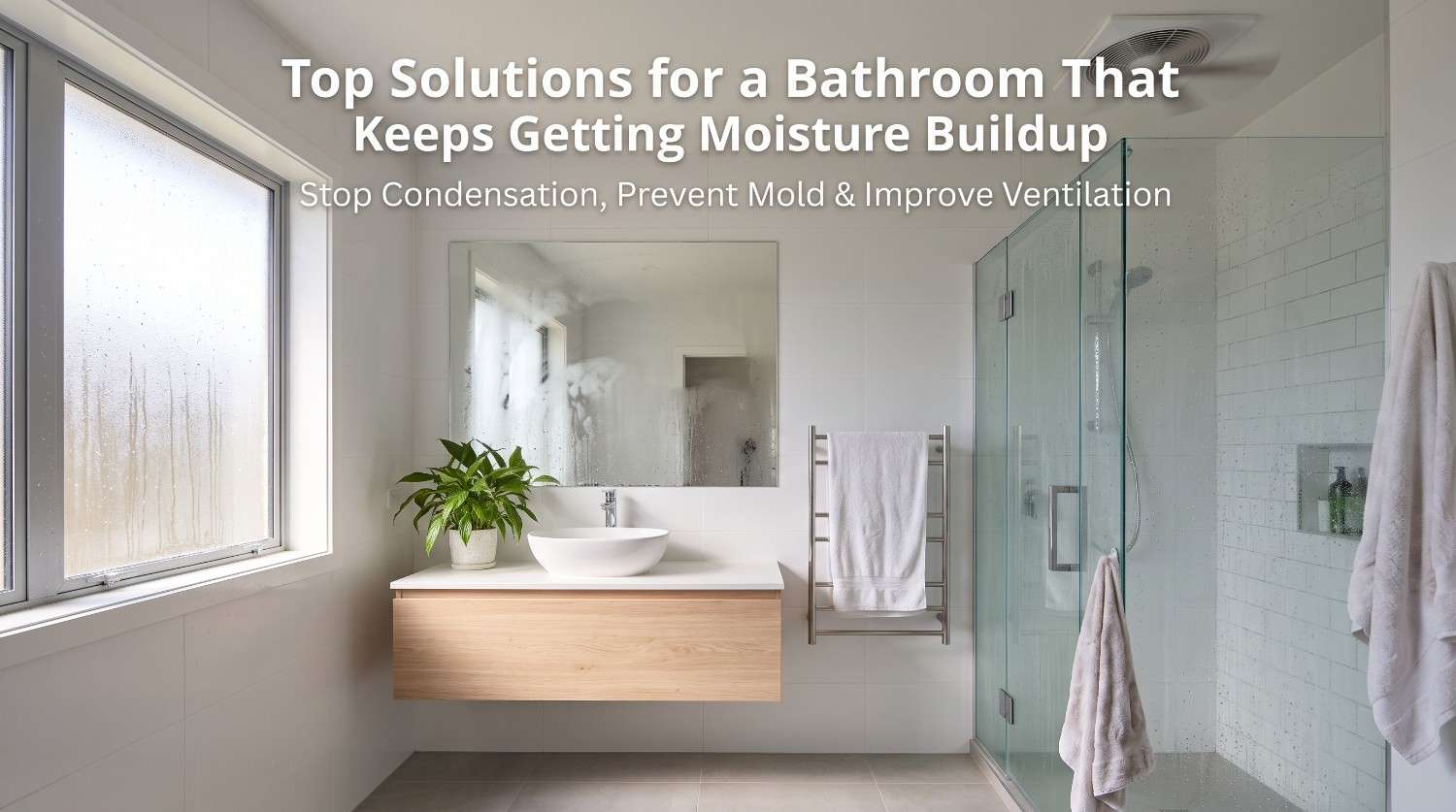

Bathrooms are one of the busiest spaces in any home, and their ceilings face unique challenges. Constant exposure to steam, moisture, and fluctuating temperatures can lead to peeling paint, mold growth, or discolored surfaces.
Choosing the right paint isn’t just about color or finish; it’s about durability, protection, and aesthetics. This guide will help you understand the best bathroom ceiling paint, including types, finishes, preparation tips, and expert advice for long-lasting results.
Essential Features of the Best Bathroom Ceiling Paint
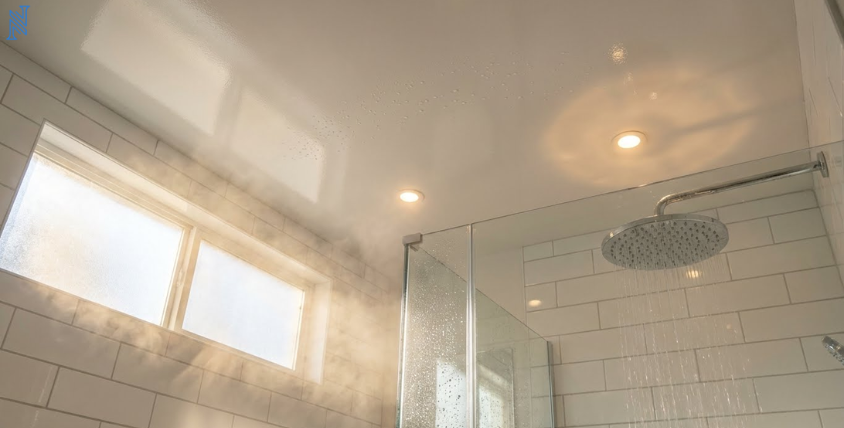
Not all paints are suitable for high-humidity areas. Before selecting a product, consider these essential features:
Moisture-resistant: Protects against steam and condensation, preventing peeling and bubbling.
Mold-resistant: Helps maintain a healthy bathroom by preventing mold and mildew growth.
Durable and washable finish: Makes cleaning easier, extending the life of paint.
Anti-condensation properties: Reduces water droplets on the ceiling, especially in poorly ventilated bathrooms.
Focusing on these characteristics ensures your ceiling not only looks great but also lasts longer.
Best Types of Paint for Ceilings
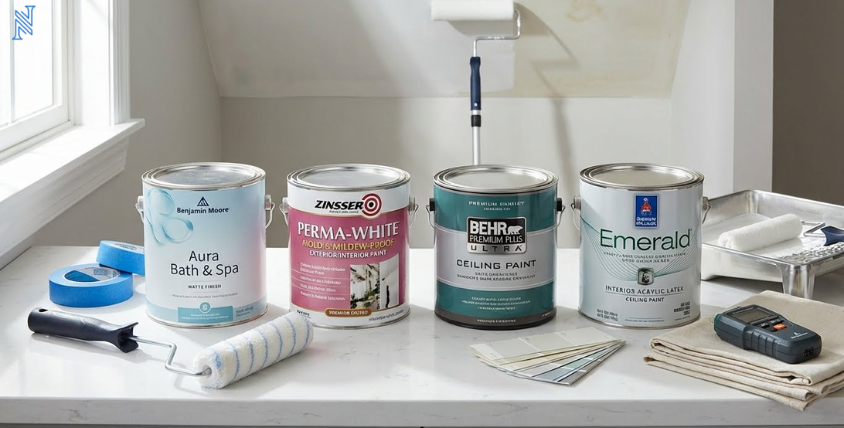
Choosing the correct paint type is critical for long-term performance. Here are the most suitable options:
Matte: Can hide imperfections but are less washable. Best used when the surface is properly prepped and primed.
Eggshell: Slightly shiny and easy to clean, balancing aesthetics and practicality.
Soft sheen and silk: Smooth finishes ideal for ceilings, reflecting light while being easy to maintain.
Anti-condensation: Formulated to withstand high humidity and prevent moisture damage.
Mold-resistant latex: Excellent for bathrooms with frequent moisture exposure and limited airflow.
Which Paint Finish Works Best for Bathroom Ceilings
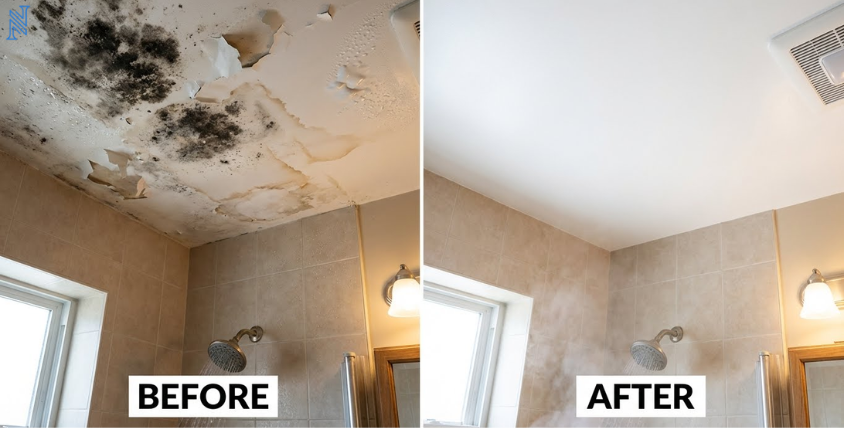
The finish or sheen affects both performance and appearance. Consider these factors:
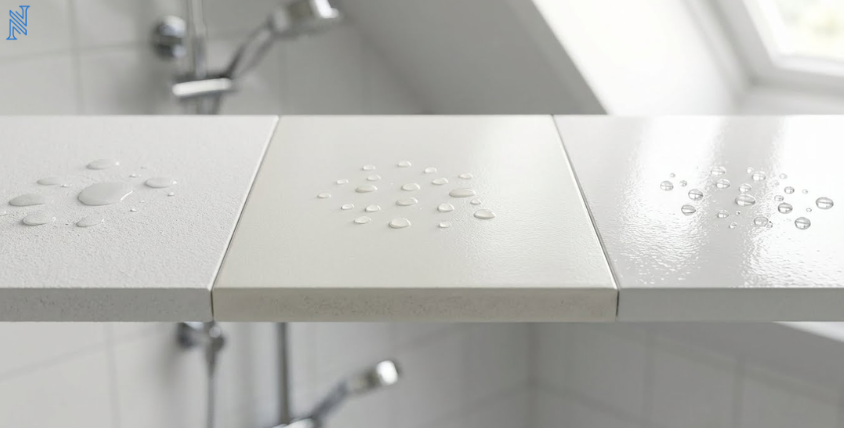
Flat or matte: Hides imperfections but less durable in high-moisture zones.
Satin or semi-gloss: Easier to clean and better suited for humid conditions.
Bathroom conditions to consider:
High humidity with poor ventilation: Use semi-gloss or anti-condensation paint to reduce mold growth.
Moderate humidity with good airflow: Eggshell or soft sheen finishes work well.
Low-humidity powder rooms: Matte finishes are acceptable.
Ceiling height and shower proximity: Semi-gloss paints work best for ceilings above showers, while higher ceilings can handle matte finishes.
Choosing the Right Colors for Ceilings
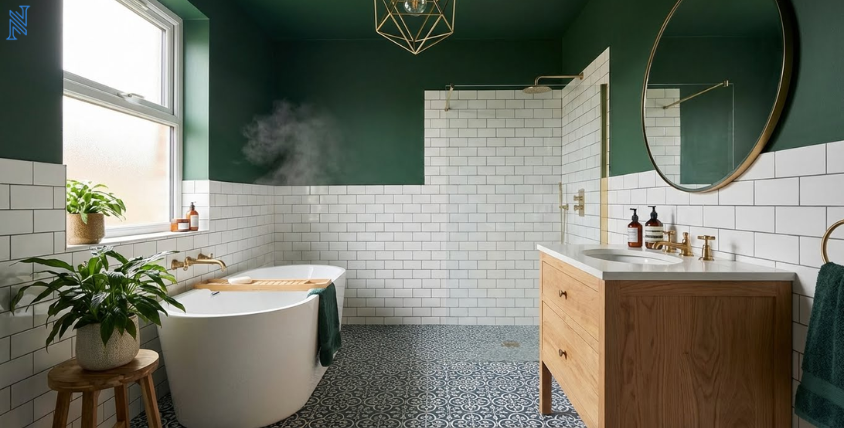
Choosing the right color affects mood, space perception, and light reflection:
Light shades: Make small bathrooms feel more spacious.
Dark shades: Add drama to larger bathrooms.
Ceiling and wall coordination: Use soft contrasts or complementary tones for balance.
Trending palettes: Neutral whites, soft greys, and pastel shades remain popular. For a more contemporary look, adding a bold accent color can really make a modern bathroom stand out.
Tips for Preparing and Applying Paint
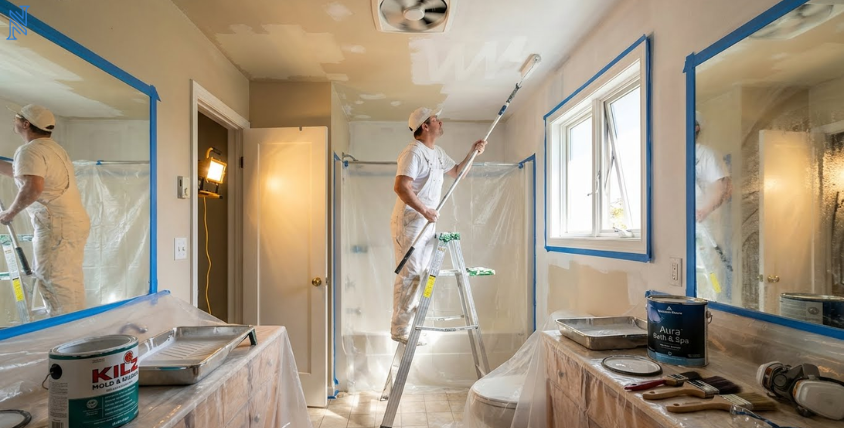
Proper preparation ensures a smooth, long-lasting finish:
Surface prep: Clean the ceiling to remove dust, grease, and soap scum. Sand rough spots for even paint adhesion.
Priming: Use a primer for high-moisture areas to prevent peeling.
Painting: Apply paint in thin, even layers. Multiple coats improve durability.
Ventilation: Keep windows or fans running to speed drying and reduce condensation.
Skipping primer or rushing coats often causes peeling and reduces the lifespan of your bathroom paint.
Pro Tips
Matte paints can work if the surface is properly cleaned, sanded, and primed.
Use semi-gloss for low ceilings above showers; it’s easier to clean and resists moisture.
Avoid paint and primer in one; a separate primer ensures longer-lasting results.
Adjust finish and sheen based on ceiling height and water exposure.
Budget and Maintenance Considerations
Budget vs premium options: Anti-condensation and mold-resistant paints cost more upfront but last longer, reducing repainting frequency.
DIY vs professional: Smaller ceilings can be painted by homeowners, while difficult or high ceilings may require a professional.
Maintenance: Choosing washable paints reduces the need for frequent touch-ups.
Conclusion
A bathroom ceiling is more than a blank surface. It’s a functional and aesthetic part of your home. By selecting the right paint type, finish, and color, preparing the surface properly, and following expert tips, you can create a ceiling that resists moisture, prevents mold, and enhances your bathroom’s style. Investing in quality paint and applying it correctly ensures your bathroom remains fresh and beautiful for years to come.