

Hiring one company to both design and build sounds simpler, and often is. Most guides explain the benefits but skip how these companies charge and how to vet them. This guide covers both.
A design-build contractor signs one contract for both design and construction, so you get a single point of responsibility.
Most bill in two stages: a fixed design fee first, then construction as fixed price, cost-plus, or a guaranteed maximum price.
Get the design agreement and construction contract in writing before any work starts.
The clearest red flag is a firm that outsources design or gives only a verbal estimate.
The model fits full remodels and additions more than small single-room updates.
A design-build contractor is one company that designs your project and then builds it under a single contract. You work with one team from first sketch to final walkthrough. That removes the gap between designer and builder that causes most budget surprises.
It is now the most common construction delivery method in the United States. The Design-Build Institute of America projects it will reach close to half of all construction spending by 2028.
The single contract is the core difference. With separate hires, your architect and builder hold different contracts and can blame each other when costs rise.
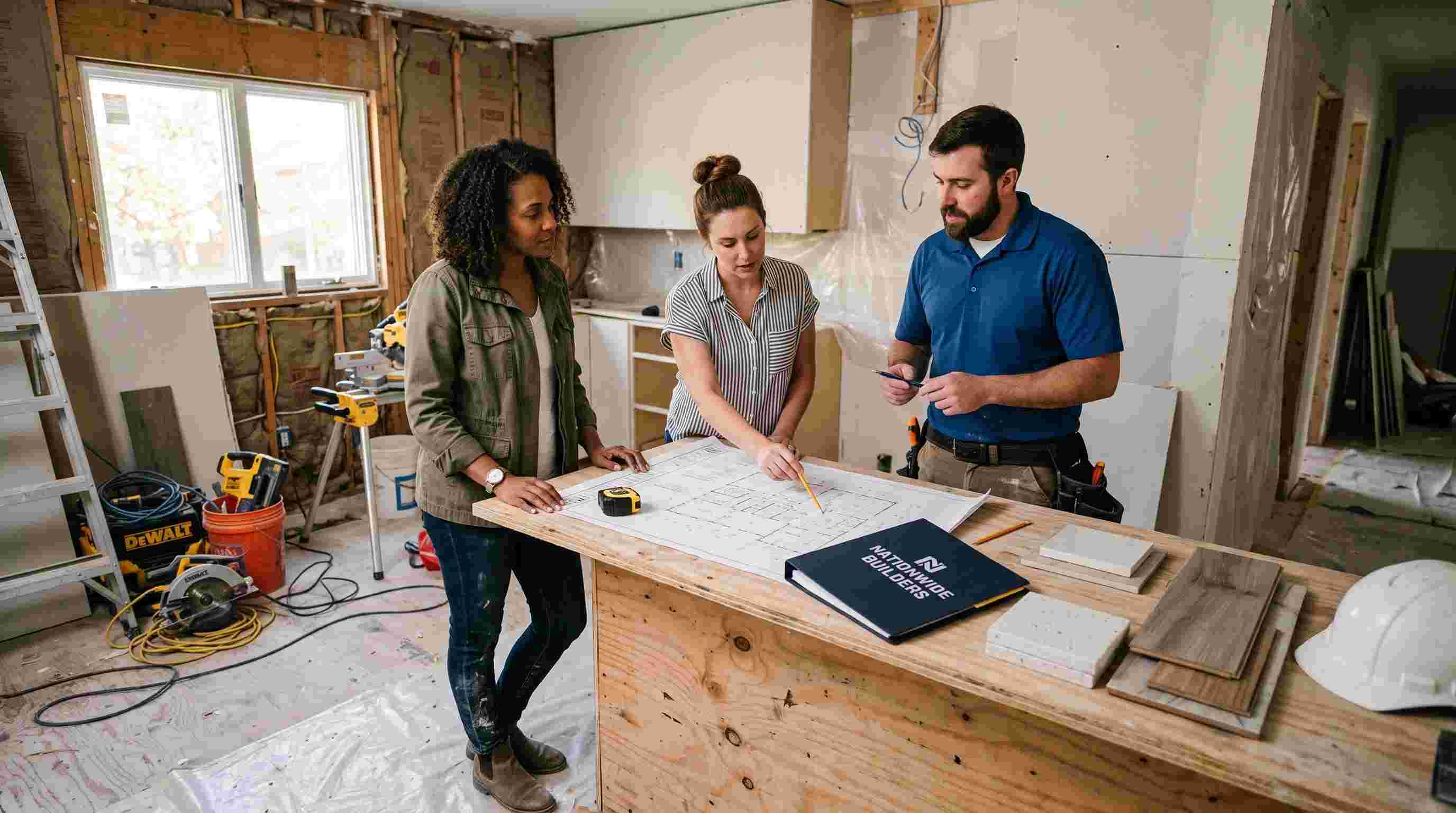
What Do Design Build Firms Do That Separate Teams Don't?
These firms keep the designer, estimator, and construction crew inside one company. Pricing and drawings move together instead of in sequence. With separate teams, you finish a design, send it for bids, and often learn it is over budget. A single firm catches that clash early, because the estimator sits beside the designer.
The trade-off is less independent oversight. You lose the outside architect's second set of eyes on a builder's work.
How Do Design Build Contractors Charge, and When Do You Pay?
These contractors usually bill in two stages: a fixed design fee first, then a construction price. Many credit part of the design fee toward the build if you proceed. The design fee covers concept drawings, material selections, and a real estimate. Paying it separately gives you an accurate number before you commit to the full build.
For construction, three common models differ mainly in who carries the risk of overruns.
Ask which model a firm uses before design starts. A vague answer is the clearest reason to keep looking.
How Do You Vet Design and Build Contractors Near Me Before Signing?
Confirm the license, insurance, and a written contract for each phase before any money changes hands. Verify the license number on your state or local licensing board site, not the firm's own page. Ask whether design is done in-house or outsourced. Outsourced design often breaks down at the build phase, because the drawer and the builder never worked as one team.
Call two recent clients and ask if the final cost matched the estimate. A firm that hesitates to share references is telling you something.
Where Should You Search for Design Build Firms Near Me?
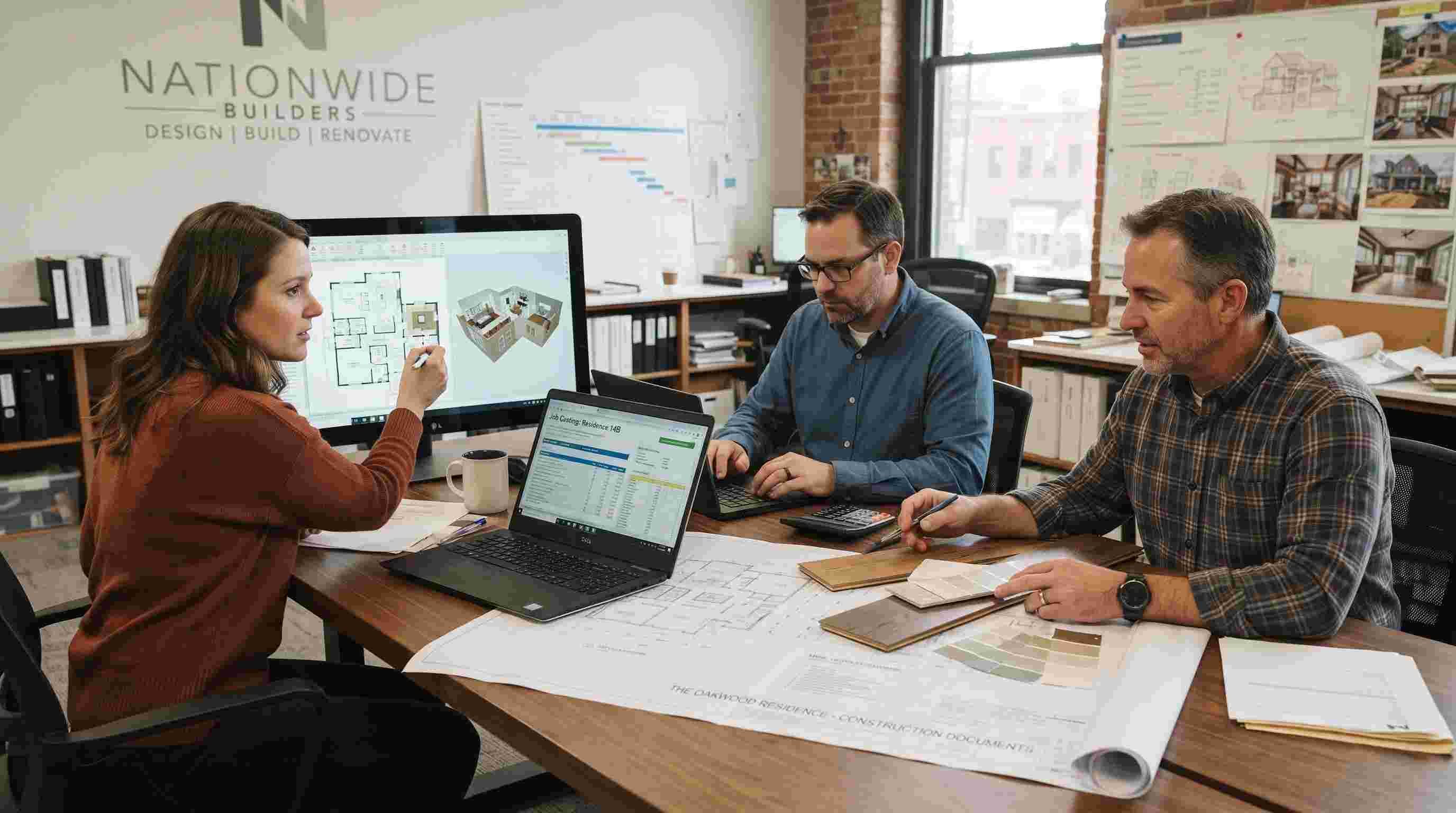
Start with directories like Houzz and your regional builder association, then cross-check firms against local permit and license records. Directories show reviews and photos, but they do not confirm a license is current.
Look for firms with completed projects near you in your category, such as a kitchen, addition, or whole-home remodel. Local history means the team knows your area's permit rules and inspectors. Shortlist three firms, then request a paid design consultation from each. Comparing estimates and process side by side is the fastest way to judge fit.